
THIS POST MAY CONTAIN AFFILIATE LINKS. PLEASE READ MY DISCLOSURE FOR MORE INFO.
Some cleaning jobs are physically easy but strangely hard to begin. You may know exactly what to do, have the supplies ready and still circle the laundry basket or cluttered counter for an hour. Body doubling for cleaning is a simple way to add enough structure and company to help you start.
Body doubling means doing a task while another person is present. They might clean beside you, work on something entirely different, stay on a video call or appear in a prerecorded clean-along video. Their job is not to supervise or criticize. Their presence creates a gentle point of reference while you work.
The technique is popular in ADHD communities, although it is not limited to people with ADHD. CHADD describes body doubling as a way to choose a specific project and set aside a specific time, while Cleveland Clinic says the other person can act as an anchor for focus and accountability. Research is still developing: a 2024 study surveyed 220 neurodivergent people about how and why they use the strategy, but body doubling should not be treated as a replacement for evidence-based ADHD care.
If cleaning often feels overwhelming, try the practical steps below. The goal is not a spotless house. It is a calmer, easier starting point.
Disclosure: This post may contain affiliate links. As an Amazon Associate, Clean Home Challenge earns from qualifying purchases. If you make a purchase through these links, we may earn a small commission at no extra cost to you. This helps us keep creating practical cleaning tips, routines and resources for busy families! 🧽
What Body Doubling for Cleaning Actually Means
A cleaning body double is a person—or sometimes a virtual presence—who stays nearby while you complete one agreed task. They do not need to touch your dishes or fold your laundry. In fact, many people focus better when both participants work independently.
The useful ingredients are simple:
- a clear start time;
- one small, visible target;
- a supportive person or clean-along format;
- a short work period; and
- a quick finish check.
That structure can reduce the number of decisions you must make in the moment. Instead of asking, “How will I clean the whole kitchen?” you only need to join the session and begin the first named action.
Body doubling may help with task initiation, staying oriented and noticing when you drift. It will not work for everyone, and it is not a test of effort or character. If another person’s presence makes you anxious or distracted, a quiet audio call, a camera-off session or a prerecorded video may feel better.

Choose the Right Person or Clean-Along Format
The best body double is calm, dependable and able to follow your boundaries. A partner, friend, adult family member or trusted online group can work. You are looking for steady company, not a coach who takes over.
Before the session, agree on what support means. You might say, “I’m going to clear the counter for 15 minutes. Please work quietly, and check in with me when the timer ends.” This prevents well-meant advice from turning into pressure.
For remote body doubling, try one of these formats:
- a video call where each person works in their own home;
- a phone call with microphones muted during the work block;
- a scheduled virtual coworking room with clear conduct rules; or
- a clean-along video or audio track that runs in real time.
Protect your privacy online. Keep personal paperwork, family photos, medication labels and home-security details outside the camera frame. Use reputable platforms and leave any session that feels intrusive.

Agree on One Small Cleaning Target
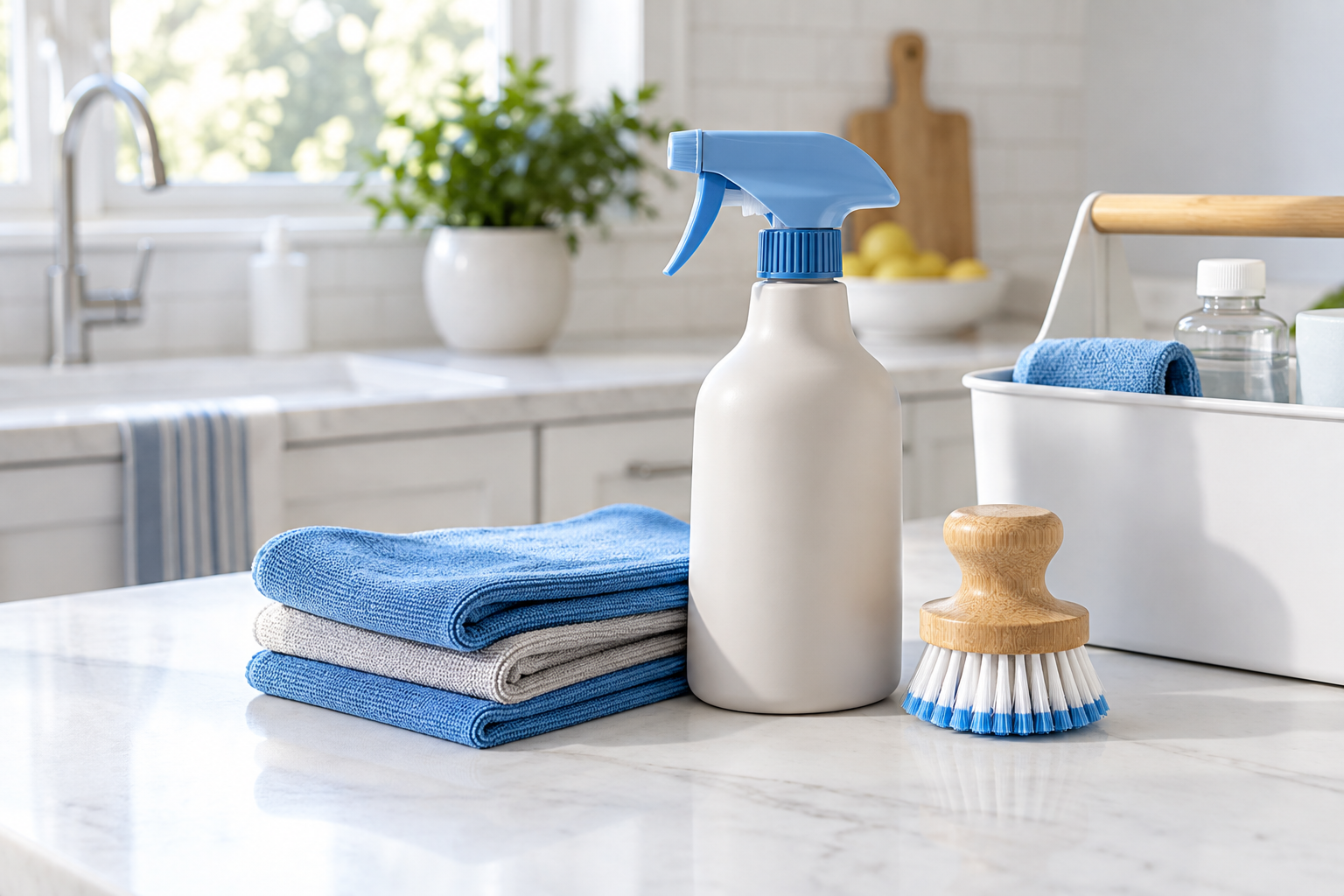
“Clean the house” is too broad for a short body-doubling session. Choose a finish line you can see. Good first targets include loading the dishwasher, clearing one counter, putting away one basket of laundry or collecting trash from one room.
Make the target smaller than your optimistic estimate. A 10- or 15-minute win is more useful than an ambitious plan that becomes another source of stress. If you finish early, you can stop or choose a second small task.
Use a simple sentence:
During this session, I will ___ for ___ minutes.
For example: “During this session, I will put away the clean laundry for 15 minutes.” The sentence gives both people the same expectation and makes the closing check easy.

Set Up the Room Before the Session Starts
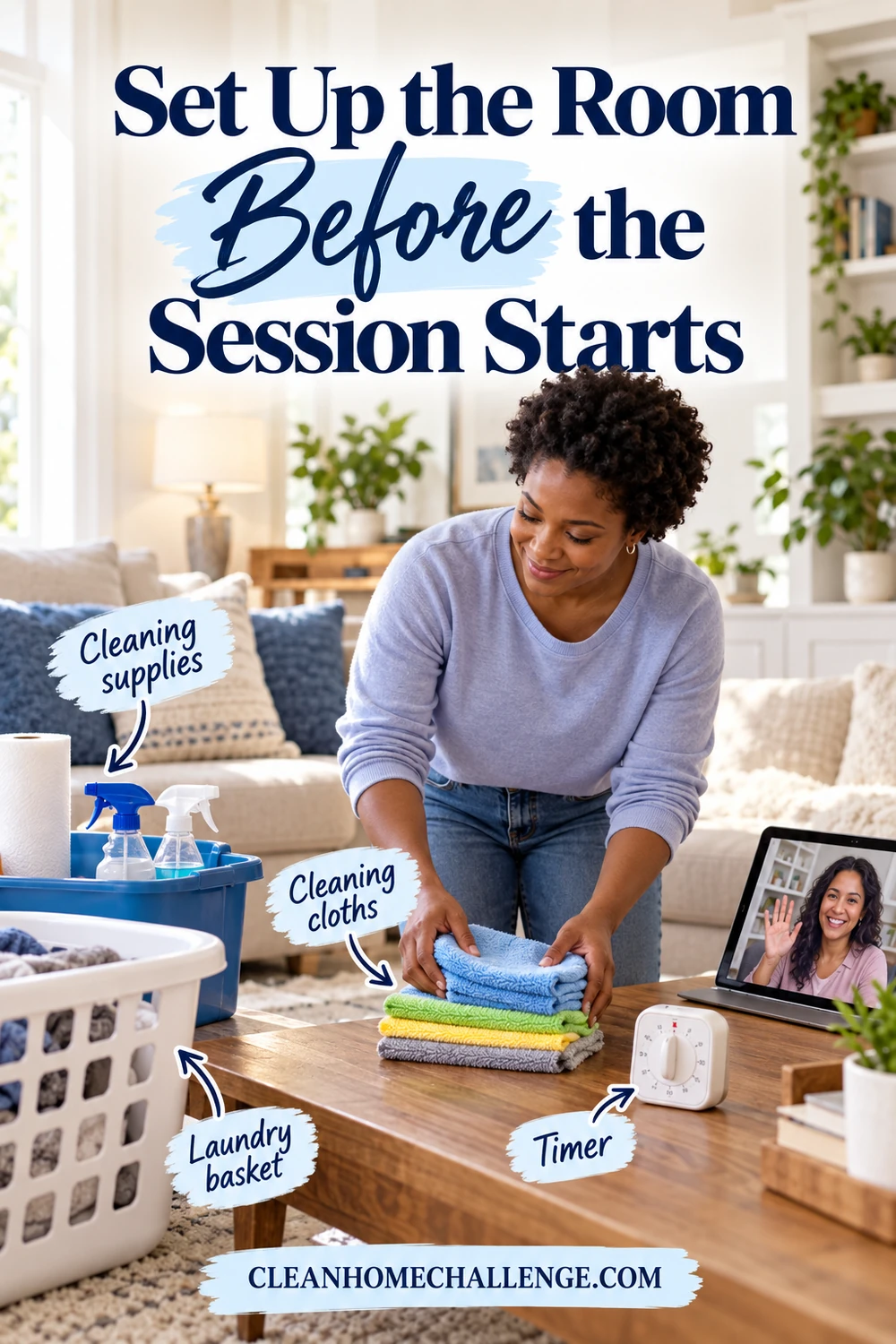
Preparation should remove friction without becoming a new project. Put the basic tools where you will use them: a laundry basket, trash bag, microfiber cloth or vacuum. Place your phone on a stable stand if you are joining by video, and position the camera so no one needs to carry it while cleaning.
Keep safety ahead of momentum. Read product labels, ventilate when directed and never mix cleaning products. Avoid body doubling for tasks that demand your full attention around ladders, sharp objects, hot appliances or strong chemicals. If children or pets are present, choose a low-risk task and keep supplies out of reach.
Finally, remove one obvious distraction. Close unrelated tabs, silence nonessential notifications or put the television remote in a drawer. You do not need perfect conditions; you only need a clear first move.
Use a Simple Start, Work and Check-In Rhythm
A predictable rhythm helps everyone know what is happening without constant conversation.
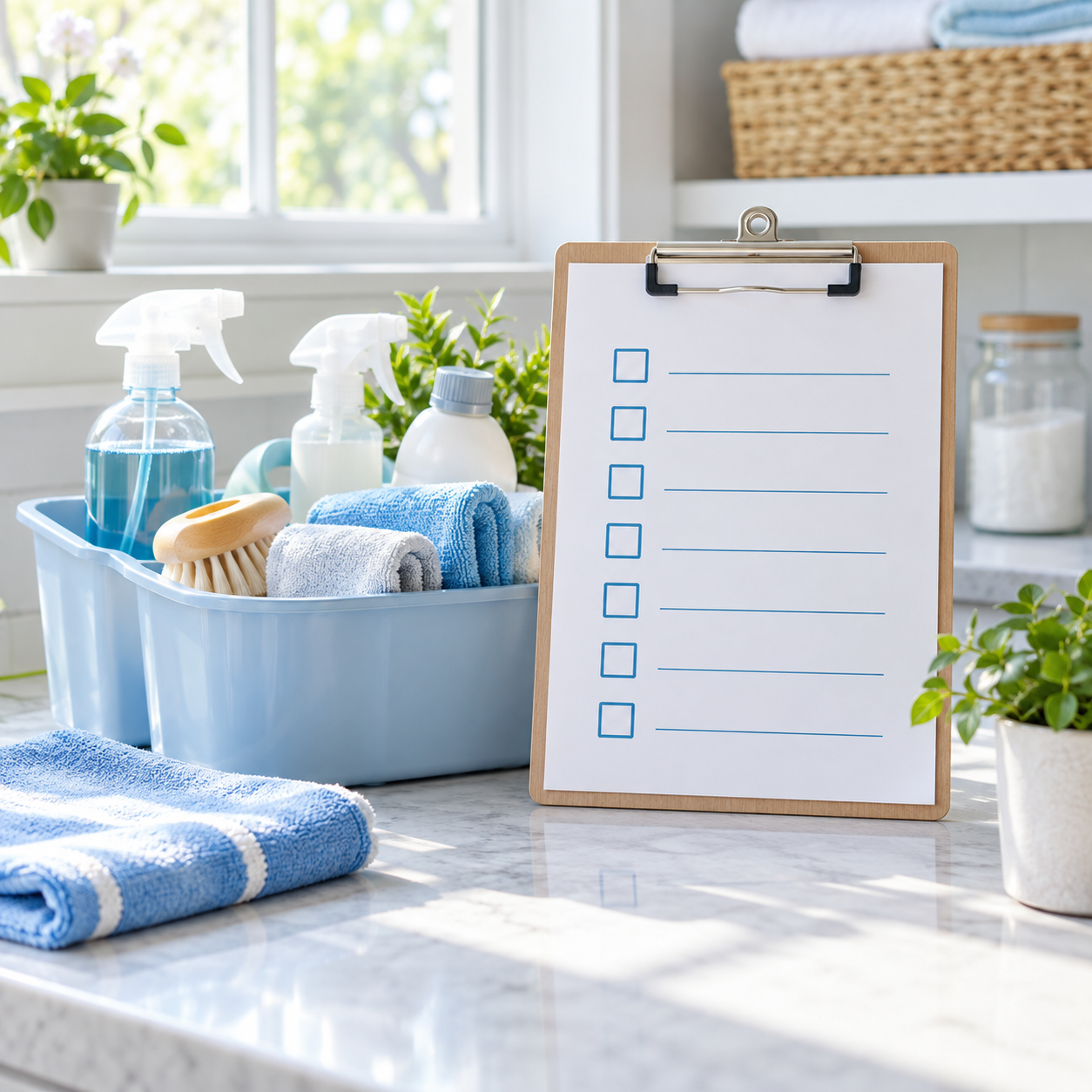
- Start for one minute. Name the task and show or describe the finish line.
- Work for 10 to 25 minutes. Keep conversation minimal unless chatting genuinely helps both people.
- Check in for one minute. Say what changed, decide whether to stop and set the next action aside.
A visual timer can make time feel more concrete. Place it where you can glance at it without handling your phone. If 20 minutes feels too long, use five. Stopping on time builds trust in the routine and makes it easier to try again.
The body double can use neutral reminders such as, “Are you still working on the counter?” or “Two minutes left.” They should avoid comments about speed, clutter or how the task “should” be done.

Try Body Doubling Without Sharing Your Space
You do not need to invite anyone into your home. Virtual and prerecorded options can offer company with more privacy and flexibility.
For a live remote session, both people can state their task, mute for 15 minutes and return for a short check-in. Cameras can remain off if visual contact is uncomfortable. A phone stand keeps the device safe and frees both hands.
A clean-along video is another low-pressure choice. Pick one with a visible timer and realistic pacing, then match the creator’s work block rather than trying to copy every task. An audio-only “work with me” track can be helpful when visual media becomes distracting.
If you use a recording, write your own finish line first. Otherwise it is easy to follow the video from room to room and end with several half-finished jobs.

Avoid Mistakes That Turn Support Into Pressure
Body doubling works best when it feels cooperative. Common problems usually come from unclear expectations.
- Too much talking: Agree on quiet work blocks and save conversation for the break.
- An oversized goal: Reduce the target to one surface, one basket or one floor area.
- Unwanted advice: Ask the body double to use questions and neutral reminders, not instructions.
- Comparison: Different homes, energy levels and support needs are not a fair measure of progress.
- Ignoring fatigue: Stop when the timer ends or when the task is no longer safe.
- Depending on one person: Keep a backup option, such as a recorded clean-along or a second trusted contact.
If the session creates shame, conflict or surveillance, pause it. Adjust the format or choose another tool. Support should make the task feel more possible, not make you feel watched.

CLEANERS CLUBHOUSE
Make Your Cleaning Routine Easier to Follow
Stop wondering what to clean next. Inside the Cleaners Clubhouse, you’ll get a practical 12-month cleaning calendar, printable worksheets and monthly challenges to help you keep moving without trying to do everything at once.
Build a Repeatable Body-Doubling Routine
The most useful routine is easy to repeat. Try the same 15-minute slot once or twice a week, linked to a predictable cue such as Saturday breakfast or the end of the workday. Keep the target consistent at first—for example, clear the kitchen counters and load the dishwasher.
Use a tiny record with four details: date, task, session length and whether the format helped. After three or four sessions, look for patterns. You may discover that camera-off calls work better than video, that 12 minutes is your ideal starting block or that quiet company helps with laundry but not with paperwork.
Create a minimum version for difficult days: five minutes, one surface and a prerecorded companion. A small completed reset protects the habit without demanding more than you can give.
When Body Doubling Is Not Enough
Body doubling is one practical support, not a diagnosis or treatment. If attention, organization or task initiation regularly affects work, relationships, safety or daily care, consider talking with a qualified health professional. The CDC notes that ADHD care may include behavioral interventions, organizational-skills training, medication or a combination tailored to the person.
For household cleaning, it may also help to reduce the number of supplies, use short written checklists, store tools near the task and divide jobs among family members. The best system is the one that respects your capacity and makes the next action obvious.
Start With Ten Minutes and One Kind Person
Choose one small cleaning target, invite a calm person to work beside you—or start a clean-along recording—and set a ten-minute timer. When it rings, notice what changed. You do not need to finish the whole room for the session to count.
Body doubling can turn an isolated, open-ended chore into a shared appointment with a clear beginning and end. That may be just enough structure to help you move from thinking about cleaning to doing the first useful thing.
Sources
- CHADD: Could a Body Double Help You Increase Your Productivity?
- Cleveland Clinic: How Body Doubling Helps With ADHD
- ACM Digital Library: An Investigation of Body Doubling with Neurodivergent Participants
- CDC: Treatment of ADHD