THIS POST MAY CONTAIN AFFILIATE LINKS. PLEASE READ MY DISCLOSURE FOR MORE INFO.
Decluttering is supposed to make your home feel calmer, but it can quickly do the opposite. You empty a cupboard, cover the floor with everything that was inside, and then run out of time before the decisions are finished. Now the room is harder to use than it was before you started.
The solution is not a faster purge or a full-room makeover. It is a controlled method that limits how much you open, keeps walkways clear, and requires you to reset one small area before moving on. This guide shows you how to declutter without making a mess, even if you have limited time, limited energy, or several people sharing the space.
Disclosure: This post may contain affiliate links. As an Amazon Associate, Clean Home Challenge earns from qualifying purchases. If you make a purchase through these links, we may earn a small commission at no extra cost to you. This helps us keep creating practical cleaning tips, routines and resources for busy families! 🧽
Set Up a Small Decluttering Zone
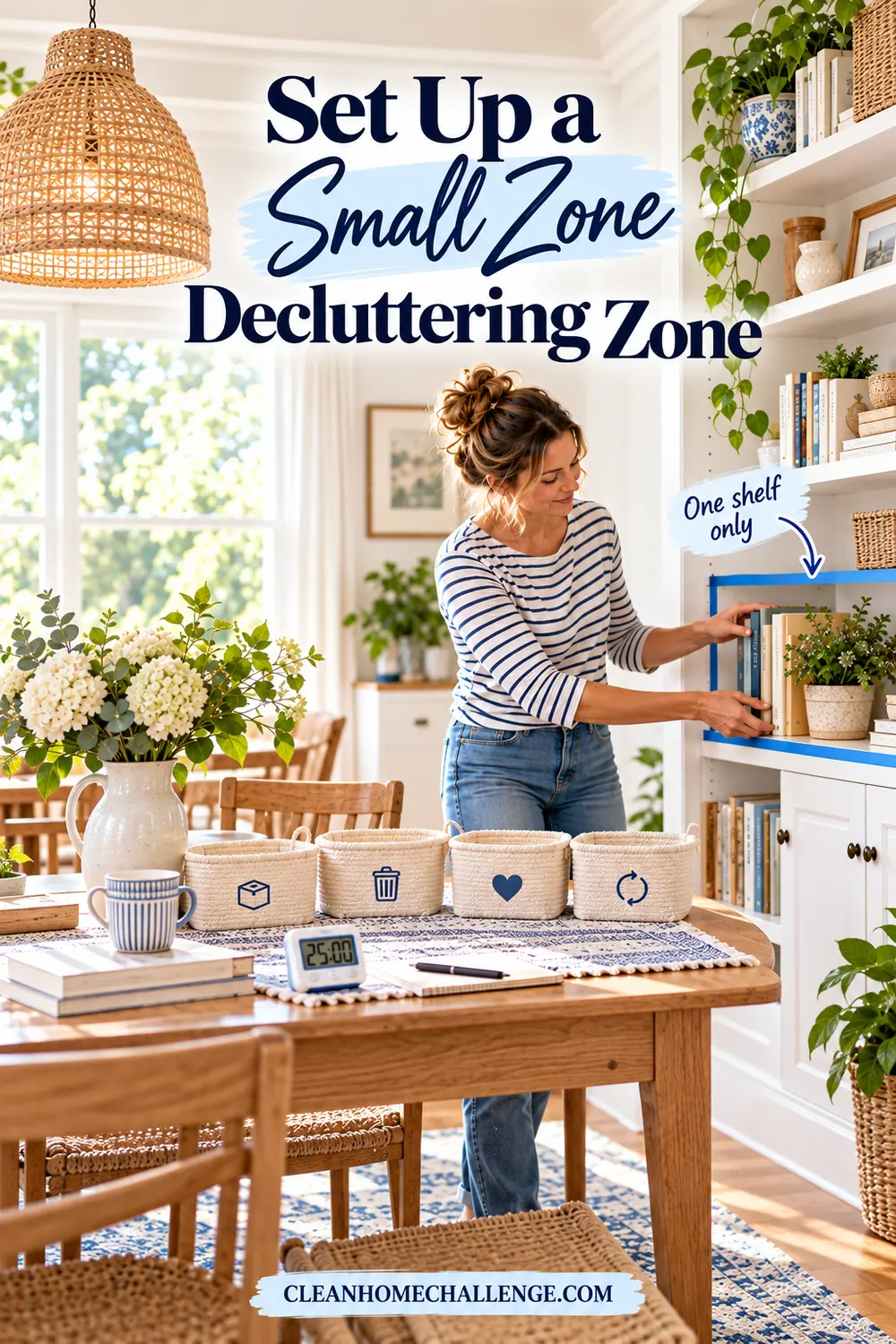
Start with a zone you can finish in one session. A single drawer, one shelf, half a wardrobe rail, or the top of one cabinet is enough. Do not choose an entire room just because that room needs attention. The goal is to create one completed result, not expose every unfinished decision at once.
Before you remove anything, protect the room around you:
- Keep doorways, stairs, and the main walking path clear.
- Set a timer for 15 to 25 minutes.
- Put four containers on a table or another stable surface.
- Keep a cloth nearby so you can wipe the empty area before items go back.
- Decide where donations and trash will go when the session ends.
Choose a stopping point before you begin. For example, decide that you will sort one bedside drawer and return it to working order, even if you still have time left. A small finished zone gives you momentum. A large half-finished project creates another obstacle.
If the area contains medication, batteries, sharp tools, chemicals, important documents, or another person’s belongings, pause and handle those items separately. Decluttering should never turn a safety-sensitive item into loose household clutter.
Empty Only What You Can Finish
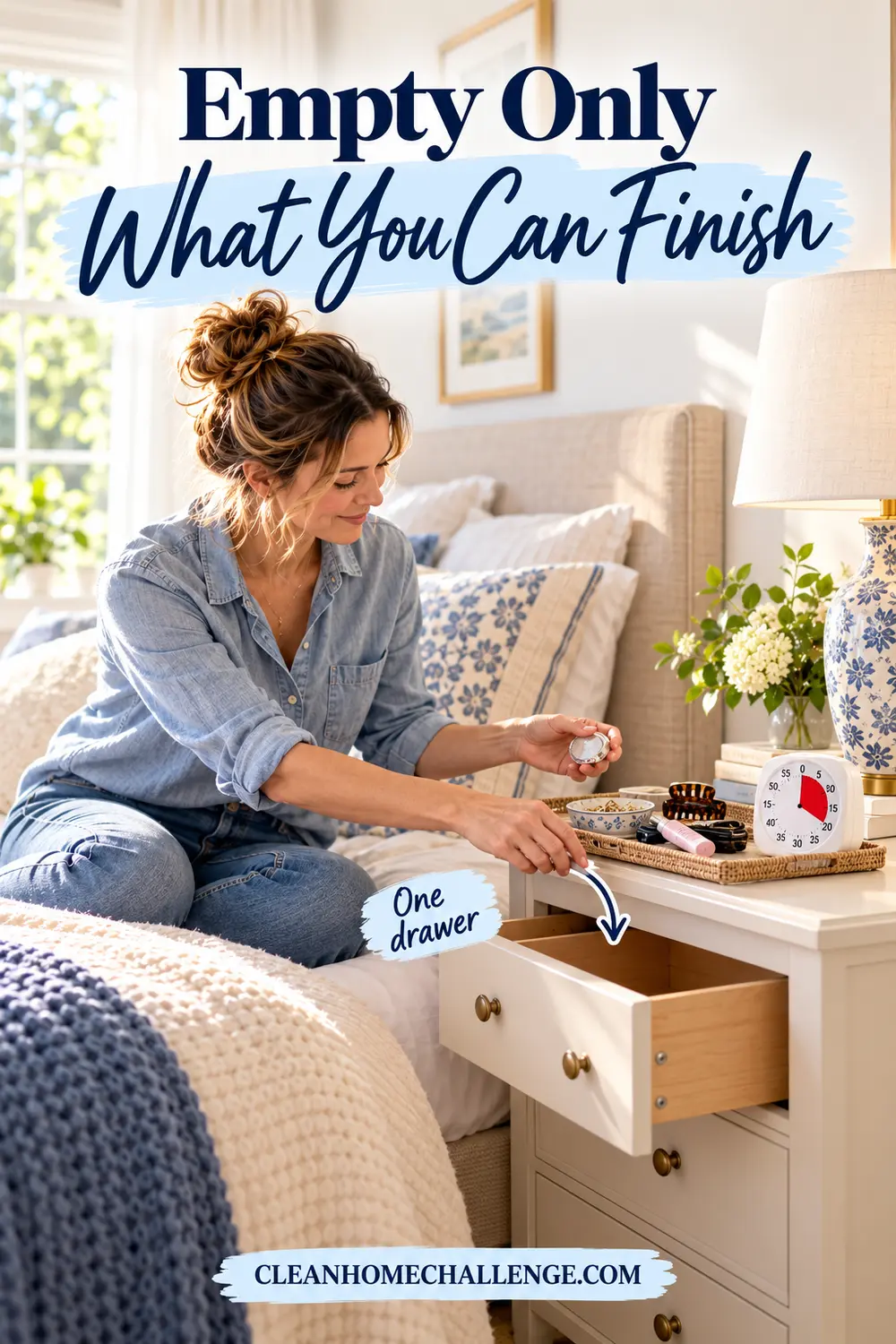
Pull out only the contents of the small zone you selected. Leave the drawers above and below it closed. Leave the rest of the shelf alone. This is the most important part of the method because it places a physical limit on the amount of clutter you must process.
Use the container itself as your measuring tool. If the contents will not fit on your sorting surface, the zone is too large for the time available. Put part of it back and reduce the scope. It is better to finish half a shelf than to leave an entire bookcase scattered across the floor.
Match the size of the zone to your real energy level. A 20-minute session might be enough for a junk drawer, a bathroom shelf, or a small stack of paperwork. A wardrobe section or crowded kitchen cabinet may need several sessions. There is no prize for creating a dramatic before photo if the room becomes unusable in the process.
When the timer has five minutes left, stop pulling out items. Use that final time to make the area functional again. This finish-first rule prevents a short decluttering session from becoming an evening of stepping over piles.
Use Four Containers Instead of Floor Piles
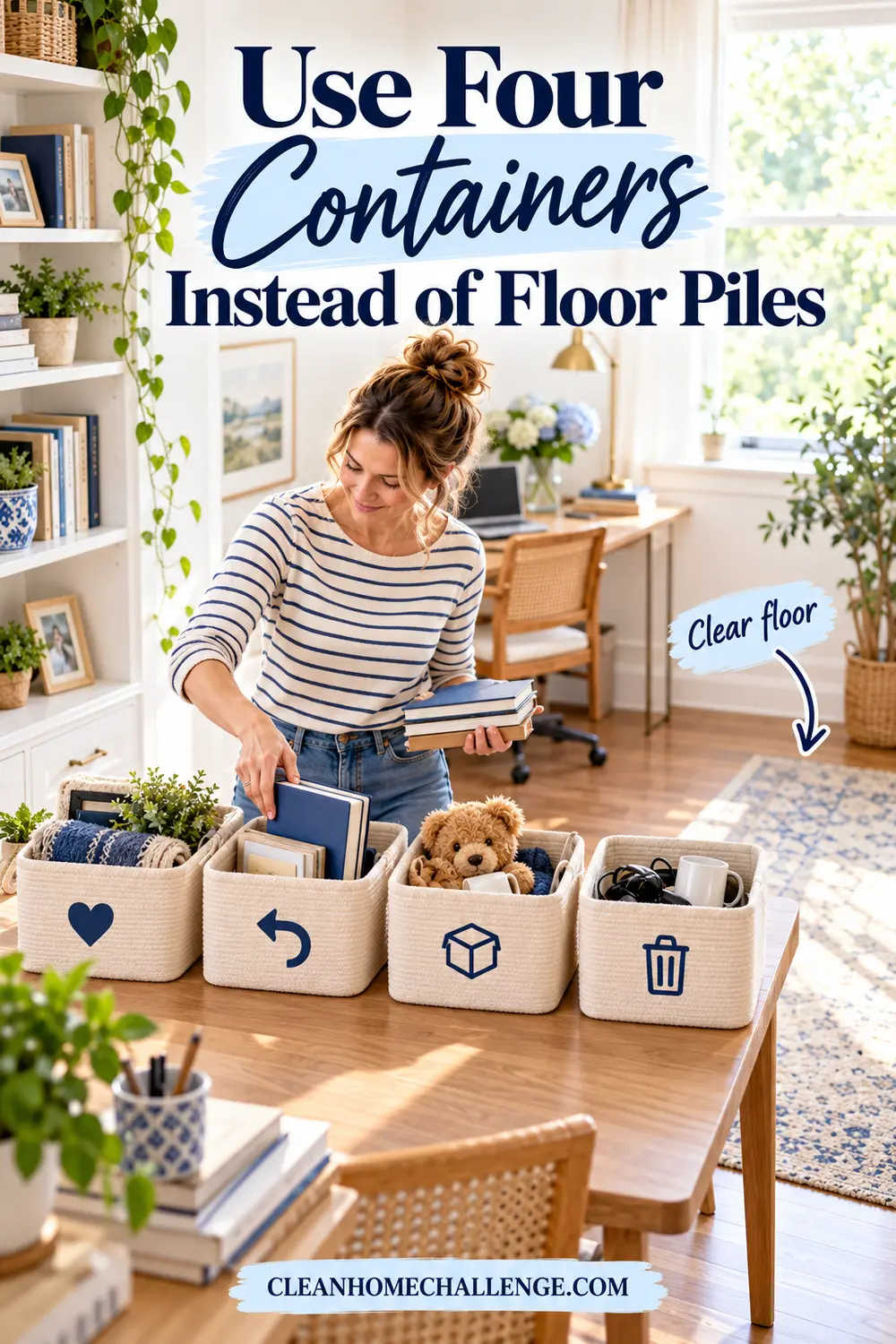
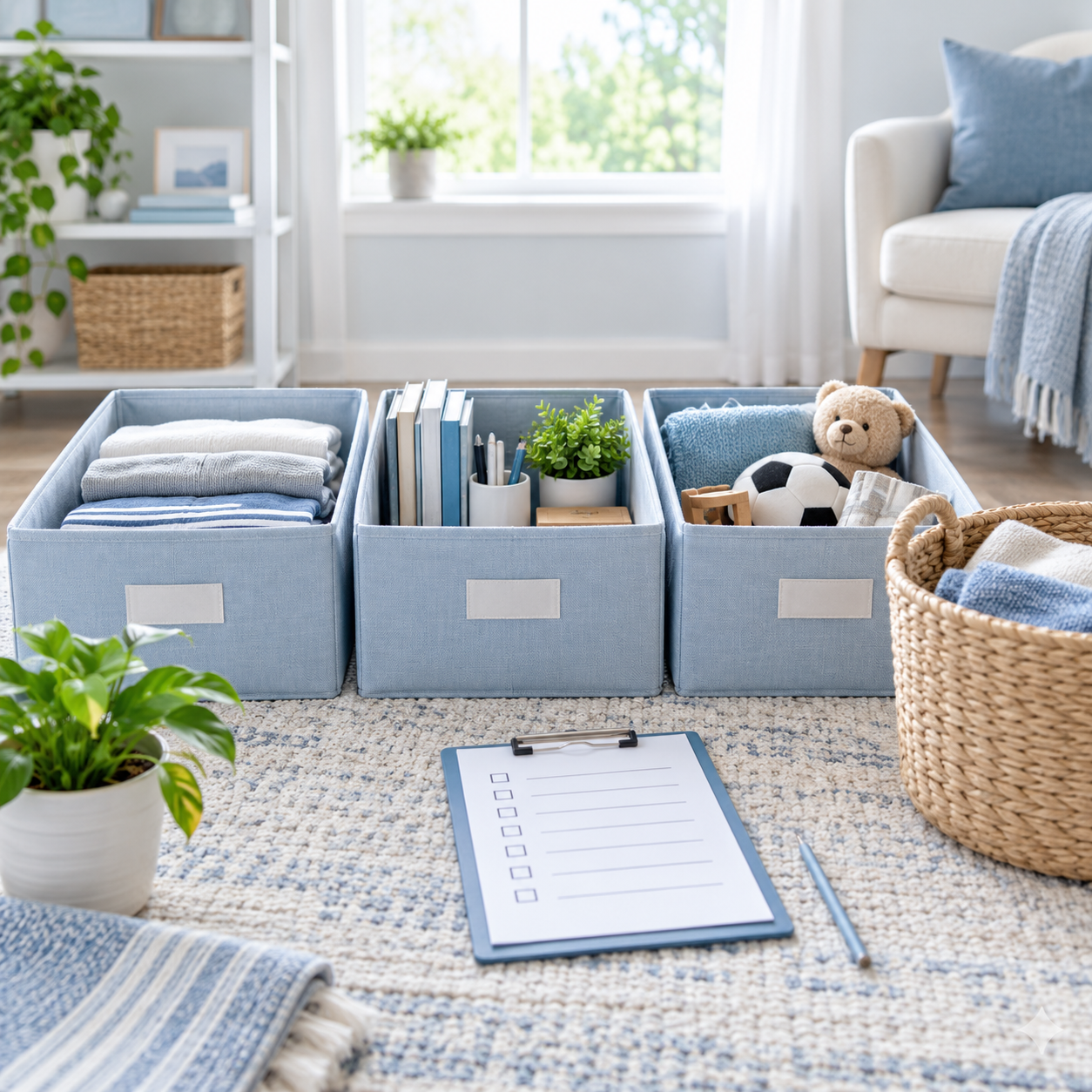
Floor piles spread, get mixed together, and can block the safest route through a room. Use four baskets, bins, bags, or sturdy boxes instead:
- Keep here: Items that belong in the zone you are working on.
- Elsewhere: Items that belong in another room or storage area.
- Donate: Clean, usable items you are ready to give away.
- Trash or recycle: Items that are genuinely unusable or ready for the appropriate recycling stream.
Keep the containers close enough to use but off the main walking path. A table, bench, or clear section of countertop is often better than the floor. If you need to work low, keep everything on one side of you so the doorway remains open.
Do not create extra categories for every possible destination. A separate pile for each bedroom, each family member, and each future errand quickly recreates the mess. Put all items that belong elsewhere into one handled basket. Carry that basket through the house once after the zone is reset.
Make Decisions Without Getting Stuck
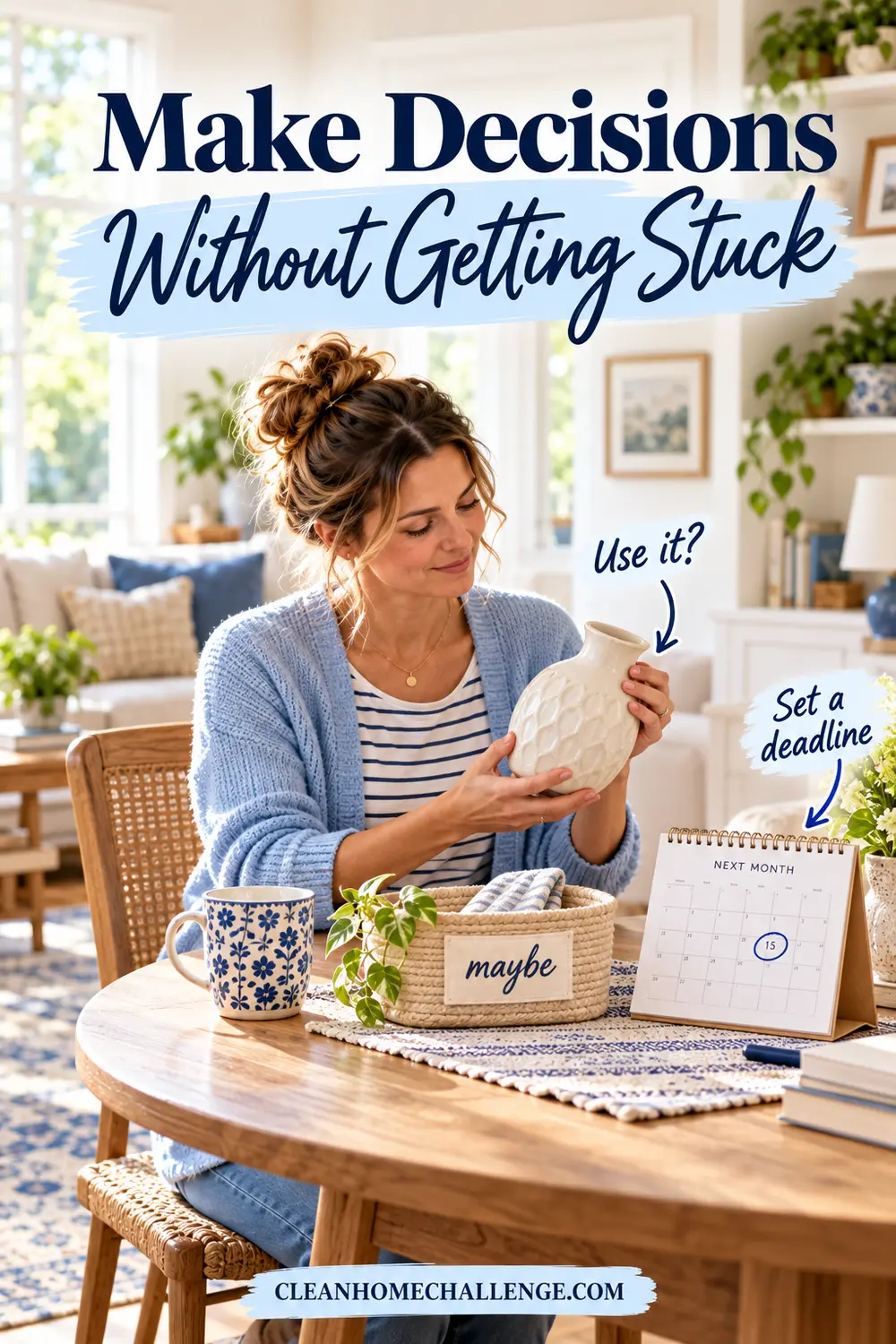
You do not need to prove that an item is useless before letting it go. Ask a few practical questions:
- Do I use this now?
- Would I choose this item again today?
- Does it fit the space available?
- Is it the best version of a duplicate?
- Does it belong to someone else?
Keep decisions specific. Instead of asking whether a vase might be useful one day, ask whether you use that vase, have space for it, and prefer it to the other vases you own. Instead of keeping every spare cable, identify the device each cable fits. Recycle or dispose of unknown electronics and batteries through an appropriate local program rather than putting them in household trash.
If you are genuinely unsure, use one small “maybe” box. Write a review date 30 days ahead and keep the box closed until then. If you do not need anything from it before the review date, the decision is usually easier. The limit matters: one small box is a temporary decision tool, not a new permanent storage system.
Stop if decision-making becomes rushed or emotional. Reset the zone with the choices already made and return later. A careful partial result is better than throwing away something important because you wanted the session to feel complete.
Move Donations and Trash Out Quickly

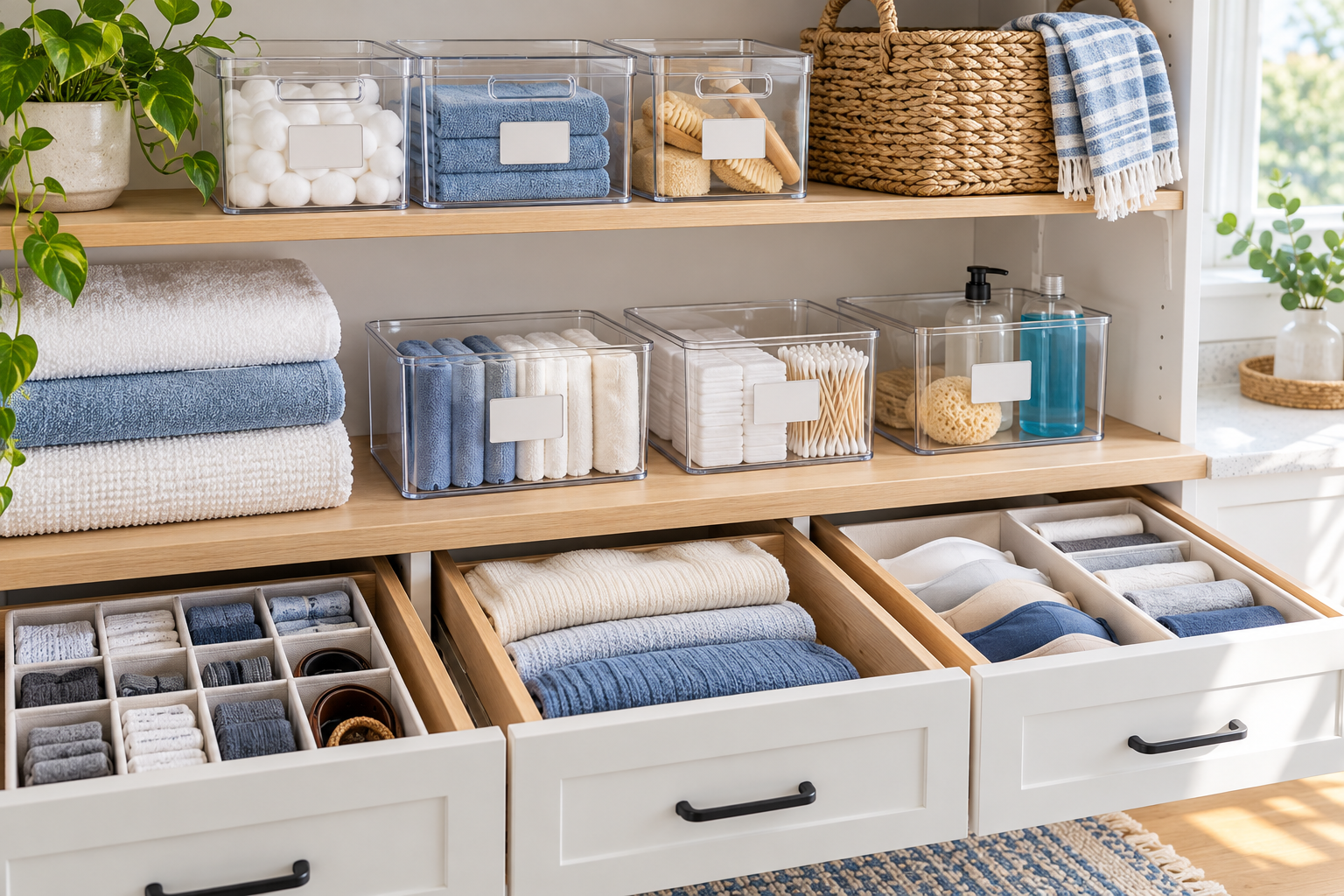
A donation bag sitting in the hallway is still clutter. Once the zone is reset, move donations to the car, garage pickup area, or another planned exit point. Aim to deliver them the same day or within 48 hours. If a local organization does not accept the item, choose another appropriate reuse or disposal option instead of leaving it in a permanent donation pile.
The U.S. Environmental Protection Agency recommends reducing waste first, then reusing, donating, and recycling where practical. Check local rules because programs differ, especially for electronics, batteries, paint, chemicals, and other hazardous household waste. Never place an unlabeled product, leaking container, or sharp object in a donation bag.
Tie trash bags, flatten empty boxes, and remove recycling promptly. Keep all bags and containers away from doors, stairs, heaters, and children’s play areas. If the exit route is not clear, moving the bags becomes the priority before another zone is started.
Reset the Space Before Starting Another
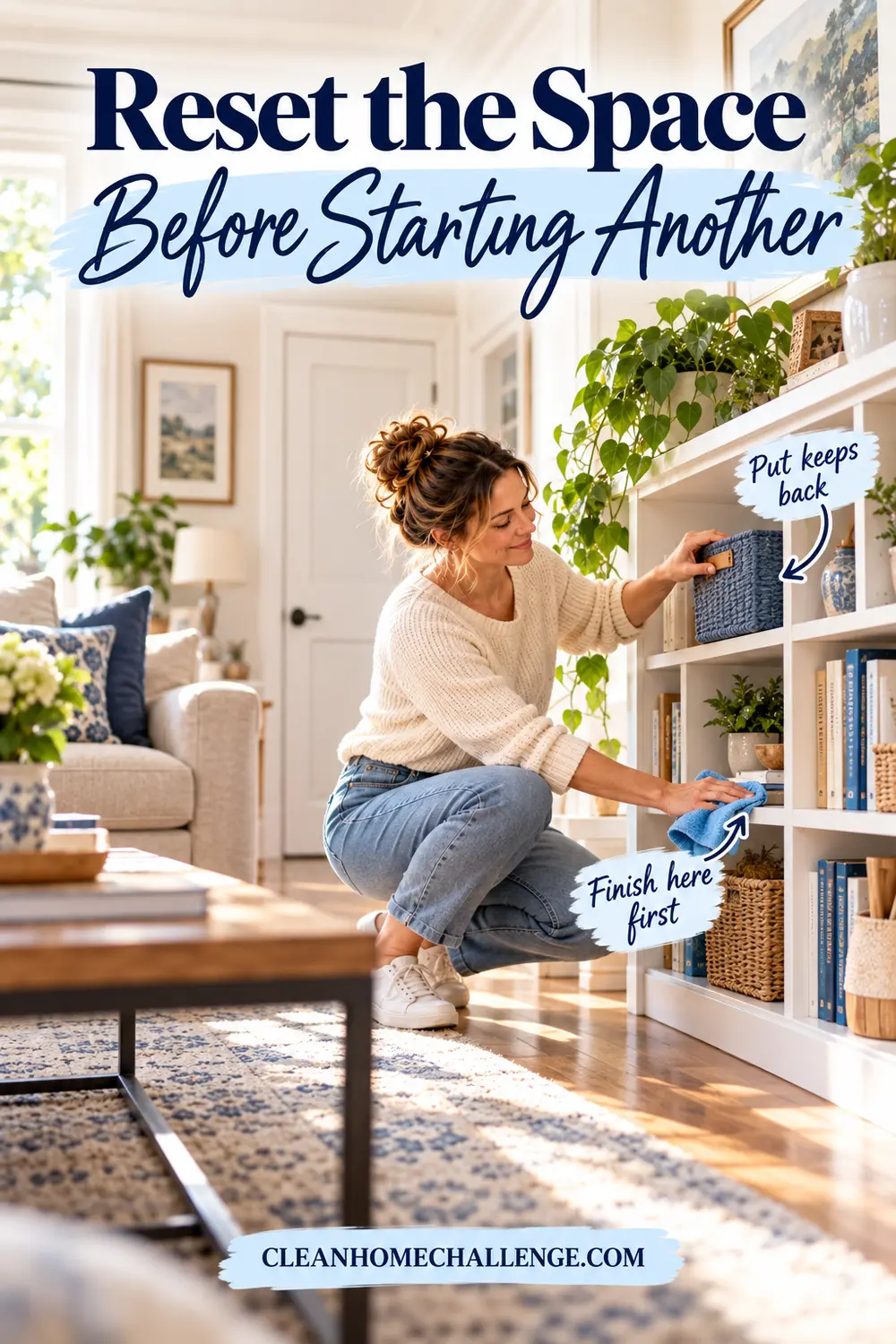
Wipe or vacuum the empty zone, then return only the items from the Keep Here container. Give frequently used items the easiest reach. Place similar items together, but do not buy organizers until you know what actually needs to remain in the space.
An organizer cannot make an overfilled shelf functional. If the selected items do not fit comfortably, make another decision before adding a bin. The finished zone should be easy to use and easy to reset, with enough breathing room that you can see what is there.
Next, carry the Elsewhere basket through the house and put each item away. Do not set the basket in another room for later. Empty it completely, return it to your decluttering kit, and close the project. That final circuit is what prevents clutter from simply migrating.
Take a quick photo of the finished zone if it helps you remember the intended setup. Then stop. A completed shelf is more valuable than an ambitious second project that is still spread out at bedtime.
Handle Sentimental and Shared Items Carefully

Sentimental items need a slower pace than ordinary household clutter. Work with a small group of photos, letters, or keepsakes at a table. Keep a drink nearby, but place it away from paper and photographs. If an item feels difficult, set it aside and continue with easier decisions.
Use a limited memory box or a clearly defined shelf. You can photograph bulky keepsakes before letting them go, but a digital image does not have to replace an object that still matters to you. The purpose is to keep the most meaningful items accessible, not to pressure yourself into a minimalist number.
Do not discard another person’s belongings without permission. That includes a partner’s paperwork, children’s collections, family photographs, inherited items, and anything shared by the household. Put uncertain shared items in a labeled review container and ask the owner. A calm conversation prevents resentment and protects items you may not recognize as important.
If grief, trauma, or a major life change makes the process overwhelming, stop and ask for help from someone you trust. Decluttering can wait. Safety, consent, and emotional wellbeing matter more than completing a box.
CLEANERS CLUBHOUSE
Ready to Clear the Clutter One Step at a Time?
Join the 30-Day Declutter Challenge and work through your home in small, achievable steps. The Cleaners Clubhouse includes the plan, printable support and encouragement to help you keep going.
Keep Clutter From Building Back Up
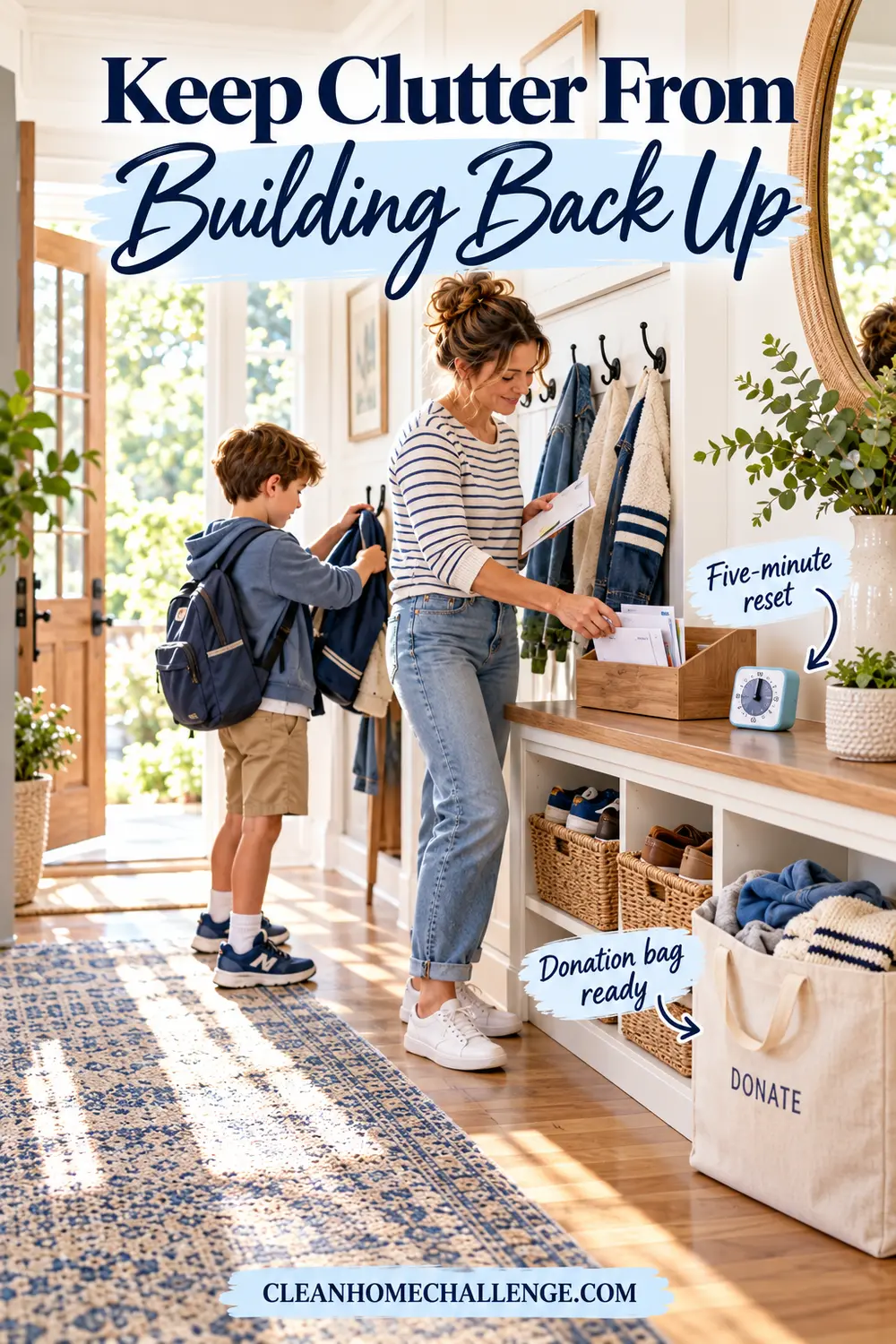
A simple maintenance system works better than another large purge. Give incoming items a clear landing place: hooks for bags, a tray for mail, a basket for shoes, and a small donation tote you can remove when full. Keep the system small enough that it cannot become long-term storage.
Use a five-minute reset at the same time each day. Return items from the landing zone, throw away obvious trash, and move donations to the exit point. If a basket regularly overflows, reduce what enters the house or change where those items live.
Try these maintenance rules:
- Finish one zone before opening another.
- Return the Elsewhere basket to empty after every session.
- Remove donations on a set day each week.
- Use a one-in, one-out rule for categories that are already full.
- Review one drawer or shelf each month instead of waiting for a full-room crisis.
Decluttering without making a bigger mess is mostly about controlling the size of the job. Choose one small zone, use containers instead of piles, make only the decisions you can finish, and reset the space before you move on. The result may look less dramatic in the moment, but it is far more likely to stay useful tomorrow.
Sources
- U.S. Environmental Protection Agency: Reducing and Reusing Basics
- American Psychological Association: Why Clutter Stresses Us Out
- Household Chaos and Caregiver Stress research in PMC