
THIS POST MAY CONTAIN AFFILIATE LINKS. PLEASE READ MY DISCLOSURE FOR MORE INFO.
An annual cleaning calendar helps you remember the jobs that are easy to lose track of: the pantry shelves, dusty window tracks, the linen closet, and the couch cushions nobody has lifted for a while. It gives those jobs a place in the year instead of leaving them on an endless mental list.
This printable 12-month home cleaning calendar gives each month one larger focus, a small first step, and room to choose a date and owner. You can begin in any month. There is no need to catch up on January before you start in October, and no need to spend a whole weekend cleaning because a box is still unchecked.
The monthly focus is a planning suggestion, not the only time you should clean that area. Spills, food mess, visible dirt, regular laundry, bathroom upkeep, and manufacturer-required maintenance still need attention when they happen. Use the calendar alongside a daily and weekly routine, then move the larger projects around your family’s actual commitments.
Disclosure: This post may contain affiliate links. As an Amazon Associate, Clean Home Challenge earns from qualifying purchases. If you make a purchase through these links, we may earn a small commission at no extra cost to you. This helps us keep creating practical cleaning tips, routines and resources for busy families! 🧽
Set Up a Calendar That Fits Your Home
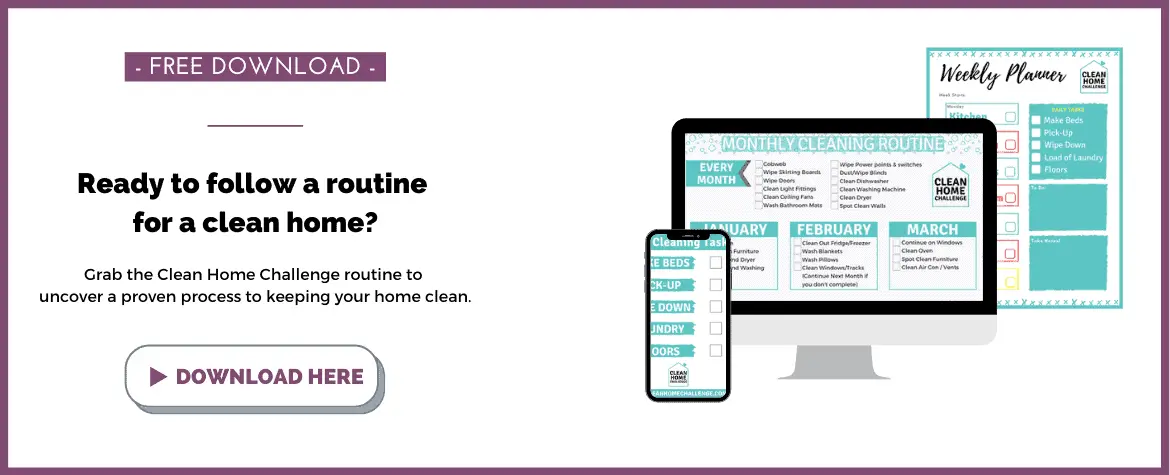
Start with the printable year-at-a-glance sheet and the reusable monthly worksheet. Print the monthly worksheet again whenever you need a fresh page, or keep the PDF on your phone and copy its three task boxes into your usual planner. You do not need a new organizing system if the calendar you already use works.
Choose one focus and define finished
For each month, select one project from the suggested list or swap in a more useful job. Write down what counts as finished. “Clean the kitchen” has no clear stopping point; “empty and wipe the two pantry shelves beside the stove” does. If you have several bathrooms or a large house, choose one room first rather than promising every room in one session.
Give that project a date and an owner. The owner takes responsibility for noticing the job, checking supplies, doing it, and putting everything away. Another adult can own an appliance-care task, while children can help with safe, age-appropriate jobs such as pairing clean towels or returning books. Keep chemicals, ladders, electrical work, and sharp tools with a capable adult.
Keep the routine layer separate
The annual sheet organizes deeper projects. Your regular rhythm handles daily mess. A manageable starting point is to make beds, pick up loose items, wipe food-preparation surfaces, keep laundry moving, and spot-clean floors. Adjust this to your family rather than treating all five habits as a test you must pass every day.
Use a weekly focus if it helps: kitchen on Monday, bathrooms on Tuesday, bedrooms on Wednesday, living areas on Thursday, floors on Friday, and laundry catch-up on Saturday. The weekly cleaning schedule shows how to spread work across the week. Start smaller if that is more than you can manage.
Add recurring appliance and safety reminders at their actual intervals. For example, Whirlpool recommends a regular Clean Washer cycle, with specific instructions depending on the model. Your washer’s manual controls the cycle, product, and frequency; a July laundry-room focus does not replace that maintenance. Follow the instructions for filters and smoke alarms too. Do not move a due safety check to a convenient seasonal month.
Make the first session easy
Gather a small caddy with clean microfiber cloths, a soft brush, a vacuum attachment, gloves when the product requires them, and a cleaner suitable for the surface. Read the label and test an inconspicuous spot before a new method. Choose one cleaning product for the job; never mix bleach with ammonia, acids, vinegar, or other cleaners. Keep children and pets away from products and wet work areas.
Ten or fifteen minutes can be a useful starting session, but it is a time limit you choose, not a promise that a whole project will be finished. Stop with the area safe, items put away, and any required rinsing or drying completed. Leave a clear next step on the worksheet so restarting is easy.
Download the two-page home cleaning calendar (PDF)

January to March: Reset the Basics
January: Set up your supplies and plan
Begin with the tools you already own. Empty one cleaning caddy or one section of your supply cabinet, check labels and leaking containers, and remove products you cannot identify. Keep products in their original labeled containers and follow local disposal guidance for unwanted chemicals. Never pour different leftovers together to save space.
Group the supplies you use together and put them in secure storage children and pets cannot access. Wash reusable cloths according to their care instructions and dry them fully. Check the vacuum’s user-serviceable parts against its manual; do not dismantle the motor or wash a filter unless the manufacturer permits it.
Then fill in this month’s project and one realistic session date. Your small first step is to gather the supplies for one job. Your finished point is an organized, safely stored working kit and a calendar you can find. There is no need to buy matching bottles, a new trolley, or twelve new cleaning products.
February: Refresh the living room's overlooked edges
Use a soft vacuum attachment on the gaps around cushions, along couch seams, and beneath light furniture you can move safely. Follow the upholstery care code; vacuuming is a different task from wet cleaning. If a cover is washable, check its label before removing it and make sure it is fully dry before putting it back.
Dust lamps, reachable shelves, and the outside of electronics using methods their manufacturers allow. Work from higher surfaces down, then vacuum the floor last so you do not need to redo it. Heavy furniture, fixed shelving, and electrical equipment can stay in place if moving them would be unsafe.
Your small first step is one cushion or one side table. Your finished point might be the main seating area rather than the entire room. Treat spills and fresh stains promptly throughout the year; they should not wait for February.
March: Clean one set of windows and tracks
Choose accessible interior windows. Remove loose dust from the sill and track with a soft brush or vacuum attachment, wipe the frame with a finish-compatible method, and clean the glass according to its care guidance. Spray a cloth when that gives you better control around frames and nearby surfaces.
Keep water out of electrical fittings and avoid flooding tracks. Coated glass and specialty frames may need specific products. Do not lean outside, balance on furniture, or use a blade scraper as a universal window-cleaning tool. High or inaccessible exterior glass is a separate job for suitable equipment or professional help.
Your small first step is the window nearest the kitchen sink. Your finished point is that window’s glass, sill, and reachable track. If local weather makes another month more practical, move the focus there.

April to June: Tackle Useful Detail Jobs
April: Give one bathroom a detail clean
Keep the normal toilet, sink, and bathing-area routine running, then use April for the edges that routine cleaning can miss. Work on reachable baseboards, the door, a storage shelf, and the outside of the ventilation cover if its instructions permit it. Switch off equipment as directed, and do not remove electrical components or spray liquid into a fan.
Choose a product compatible with the surface. Acidic bathroom products can damage natural stone and some finishes. Follow the label for application, contact time, rinsing, and protective equipment. Clean one area at a time and keep the floor dry enough to avoid a slip.
Your small first step is to clear and wipe one bathroom shelf. Your finished point is one bathroom’s selected detail areas. Recurring condensation or mold is a moisture problem to address promptly, not a project to postpone until April.
May: Reset refrigerator shelves and food storage
Pick a time when the refrigerator is relatively empty. Work on one section at a time, keep perishable food cold, and discard spoiled food safely. Clean spills whenever they occur; the calendar is for a more thorough shelf-and-drawer session, not permission to leave food residue in place.
Follow the refrigerator manual for removing and washing parts. Let glass shelves come to a suitable temperature before washing them so a sudden temperature change does not damage them. Dry parts before returning them and wipe food containers before putting them back. Do not assume every removable part is dishwasher-safe.
Your small first step is one door shelf. Your finished point is a selected refrigerator section with usable food returned safely. Coils, water filters, and other maintenance follow the appliance’s own schedule and access instructions.
June: Refresh the entrance and everyday drop zone
Take shoes, bags, and loose papers out of the small area where they land. Sort only what belongs there, wipe reachable shelves or hooks, shake out or vacuum mats according to their care instructions, and clean the floor with a compatible method. Allow washable mats to dry completely before replacing them.
Give each family member a practical place for their daily items. A low hook or a basket that is easy to reach often helps more than a complicated storage arrangement. Avoid blocking an exit with a shoe rack, bag, or cleaning equipment.
Your small first step is clearing the space immediately inside the door. Your finished point is an entrance people can use without stepping around clutter. If muddy weather arrives at a different time where you live, move this focus to suit it.

July to September: Refresh Laundry and Storage
July: Clean the laundry-room work areas
Wipe the folding surface, accessible shelves, and the outsides of storage containers. Clear lint and dust from reachable areas without disturbing appliance wiring or connections. Check washer and dryer manuals for approved cleaning and user-accessible maintenance.
A washer cleaning cycle is generally an ongoing maintenance task, not an annual event. Whirlpool’s guidance is an example of why the appliance’s instructions matter: its Clean Washer procedure specifies the cycle and suitable product. Never combine a washer cleaner with another chemical. Clean the dryer’s lint screen at the interval in its manual, and arrange safe duct inspection or cleaning when needed; do not wait for this calendar focus if performance or safety is a concern.
Your small first step is wiping the folding bench. Your finished point is a usable laundry work area plus maintenance reminders recorded at the correct intervals. Keep detergents and laundry capsules securely stored in their original packaging.
August: Work through pantry shelves one at a time
Empty one shelf onto a clear surface, check packaging for spills or pests, and wipe the shelf with a suitable method. Let it dry before restocking. Group open packets and move food you will use soon to an easy-to-see position. Follow the food’s storage instructions and distinguish quality dates from safety advice where relevant.
Do not buy containers before you know what you need to store. Check that lids fit, materials suit food contact, and any decanted food remains identifiable with relevant dates or allergen information. Signs of pests need prompt attention; a neat label does not solve an infestation.
Your small first step is the shelf with breakfast supplies. Your finished point is a clean, dry shelf stocked with usable food. A tall pantry can take several short sessions, and that is fine.
September: Sort linens and refresh a bedroom storage area
Choose one linen shelf, drawer, or closet section. Take items out, dust or vacuum the empty space, and clean only with a method suitable for the finish. Return clean, fully dry linens and remove items your family no longer uses. Keep bedding you actually need accessible instead of compressing everything into a tightly packed cabinet.
Wash pillows, protectors, curtains, and other textiles only as their care labels allow. Some are spot-clean only or require professional care. Do not soak a mattress or assume that every pillow can go through a washing machine. Regular bedding laundry and spills continue on their normal schedule.
Your small first step is pairing pillowcases or clearing one shelf. Your finished point is that storage area clean and usable, with any suitable textile washing planned separately so it can dry properly.

October to December: Make Room for Busy Weeks
October: Detail-clean one kitchen zone
Select a manageable zone such as cabinet fronts beside the stove, one utensil drawer, or reachable backsplash edges. Remove loose debris first, then clean with a finish-compatible product and a soft cloth. Follow instructions for painted, wood, stainless-steel, stone, and specialty surfaces rather than applying one homemade mixture everywhere.
Food-contact surfaces need their normal after-use cleaning. Sanitizing or disinfecting depends on the situation and product instructions; a seasonal calendar is not a reason to use stronger chemicals on every kitchen surface. The CDC advises that ordinary cleaning is sufficient in many household situations, with additional disinfection when needed, such as during illness.
Your small first step is one drawer or two cabinet doors. Your finished point is that zone clean, dry, and put back together. Oven internals and removable range hood filters are separate tasks that need their own appliance guidance.
November: Prepare the spaces guests actually use
Focus on the entrance, seating, a bathroom, and any bedding your household will need. Check the spaces before making a long list. A clear place to sit, clean towels, a usable sink, and fresh bedding will usually be more useful than polishing every hidden corner.
Put away cleaning supplies as each area is finished. If you do not host guests, use this month for another high-use space or skip the extra focus entirely. The calendar should follow your household, not invent work because a season is supposed to look a certain way.
Your small first step is setting out clean hand towels. Your finished point is the small group of spaces people will use. Leave a quiet week free if your family has travel, exams, illness, or a busy work period.
December: Review the year and leave breathing room
Look at the calendar and note what helped. Keep useful recurring reminders, cross out jobs that did not apply, and choose at most one unfinished project that still matters. Do not turn the final month into a punishment for everything you did not manage earlier.
Return borrowed or misplaced items, put the next year’s sheet where you will see it, and restock only supplies you actually use. If a project needs repairs, specialist equipment, or professional help, record that next action instead of repeatedly rewriting “clean it.”
Your small first step is a five-minute calendar review. Your finished point is a clear next step for January or whichever month comes next. Leaving spare capacity is part of keeping a plan usable.

Keep the Calendar Useful When Life Changes
The printable gives you a suggested annual plan and a blank monthly worksheet. The worksheet has three small steps, a date, an owner, and space for a next action. Use the next-action space for one useful note such as “need the upholstery care code” or “finish the second pantry shelf,” rather than a growing backlog of every room.
If you miss a month, begin with the current month’s most useful task. Move one still-important job forward only if you have time for it. If the same project slips three times, reduce the scope, change the owner or session time, or decide whether you need help. A smaller job you can finish is often more useful than a complete-room promise you cannot start.
Swap months for your climate. The calendar is deliberately organized by rooms and projects rather than fixed weather assumptions. Window cleaning may fit local dry weather; entry mats may need extra attention in wet weather; guest preparation may belong to a school holiday instead of November. Urgent mess, leaks, pests, and safety maintenance always take priority over the printed order.
Common questions
Do I have to start in January? No. Start in the current month or the room causing the most inconvenience. Leave past months blank unless an unfinished task still needs attention.
Is cleaning each room once a year enough? No. These are deeper focus projects on top of regular care. Use visible dirt, use patterns, care labels, health needs, and appliance instructions to decide the right ongoing frequency. The monthly cleaning checklist can help you plan the in-between work.
What if I only have ten minutes? Do the small first step, put everything away safely, and write the next action. Avoid starting a wet-cleaning task that cannot be rinsed or dried safely before you need to stop.
Do I need to disinfect everything every month? No. Follow current health guidance and product instructions for the circumstances. Cleaning and disinfecting serve different purposes. Do not use a stronger product just because a calendar box needs ticking.
Choose this month’s focus, decide what finished looks like, and put one small session on the calendar. The aim is to remember useful work and make it easier to begin, with room for the rest of family life.
Sources and care guidance
- CDC: When and How to Clean and Disinfect Your Home, updated January 31, 2025; checked October 2, 2026.
- CDC: Cleaning and Disinfecting, updated June 3, 2025; checked October 2, 2026.
- Whirlpool: How to Clean a Washing Machine, checked October 2, 2026. Use your own model’s manual for exact procedures.
The twelve monthly focus assignments are an original CHC planning framework, not manufacturer-mandated cleaning intervals.

CLEANERS CLUBHOUSE
Make Your Cleaning Routine Easier to Follow
Stop wondering what to clean next. Inside the Cleaners Clubhouse, you’ll get a practical 12-month cleaning calendar, printable worksheets and monthly challenges to help you keep moving without trying to do everything at once.