
THIS POST MAY CONTAIN AFFILIATE LINKS. PLEASE READ MY DISCLOSURE FOR MORE INFO.
Wondering which chores your kids can actually help with? The best job is one they can learn safely, practice with you and repeat without turning the day into a battle. This age-by-age guide gives you practical examples from toddlers to teens, plus a simple way to build a family routine around real life.
Disclosure: This post may contain affiliate links. As an Amazon Associate, Clean Home Challenge earns from qualifying purchases. If you make a purchase through these links, we may earn a small commission at no extra cost to you. This helps us keep creating practical cleaning tips, routines and resources for busy families! 🧽
Age-appropriate chores at a glance
Use these as starting points, not deadlines. A child’s coordination, attention, disability, experience and interest matter more than a birthday. Show each task, practice together, and adjust the level of help.
| Age | Starter jobs | Adult role |
|---|---|---|
| 2–3 | Put toys in a bin, carry a napkin to the table, place clothes in a hamper | Stay beside them; keep tasks brief |
| 4–5 | Sort toys, match socks, set unbreakable tableware, wipe a small spill with water and a cloth | Demonstrate and supervise |
| 6–8 | Make a bed, sort laundry, clear a table, sweep crumbs, put away safe dishes | Check setup and coach the steps |
| 9–12 | Fold laundry, change bedding with help, vacuum a clear area, pack a school bag, prepare a simple snack | Teach equipment and kitchen safety |
| 13–18 | Own a laundry load, clean a shared area, plan and prepare a simple meal, manage a weekly room reset | Agree standards, provide training and check safety |

Toddlers: make helping part of play
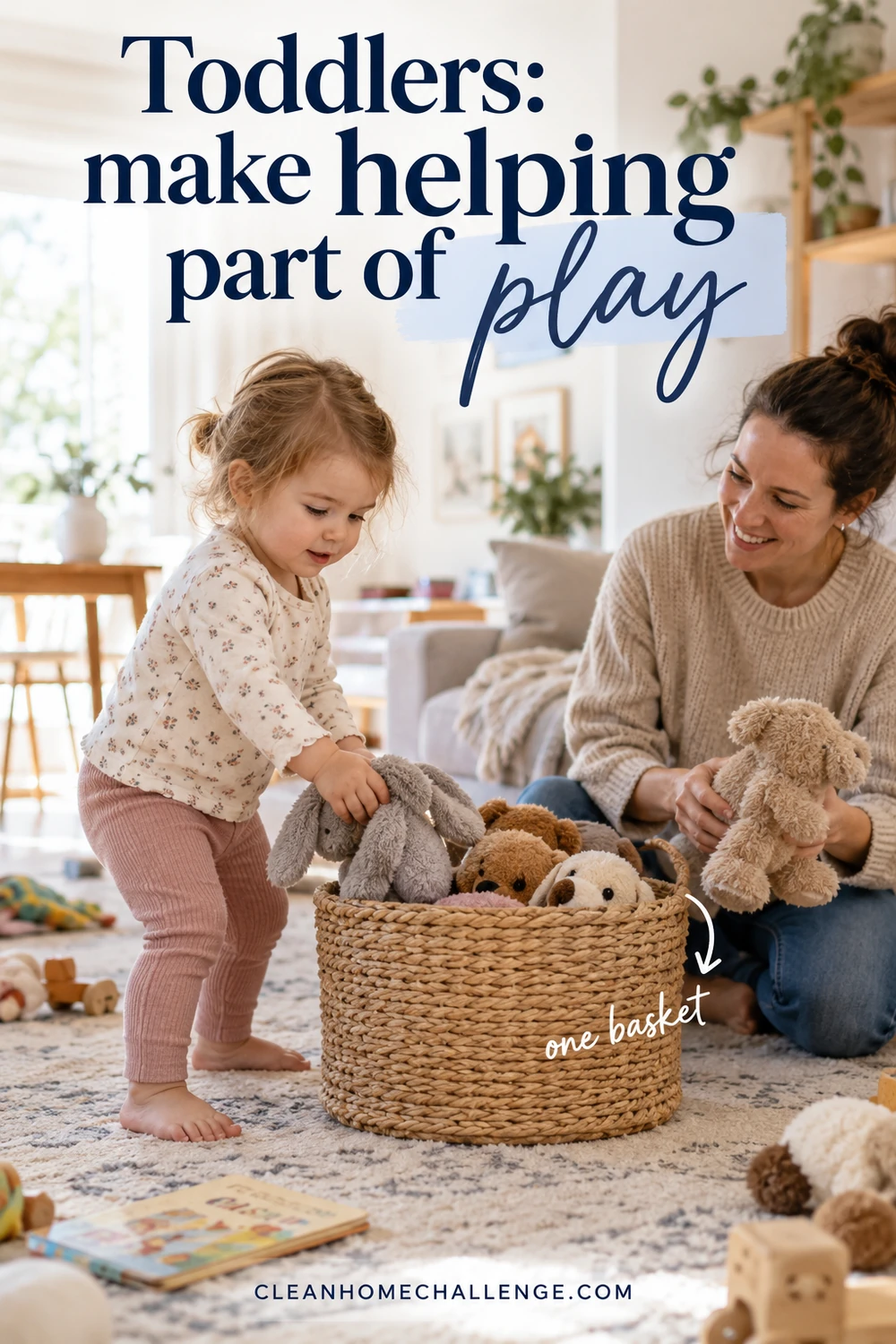
At two or three, helping usually means copying an adult. Put one low basket where toys already collect, then say, “Let’s put the blocks in together.” Let your toddler carry one soft item or put a napkin at each place. A minute of helping counts.
Keep small objects, breakable items, cords, hot surfaces and cleaning products out of the task. A toddler can help with a clean, damp cloth; an adult handles the cleaner and any disinfection.
Preschoolers: give one clear job at a time
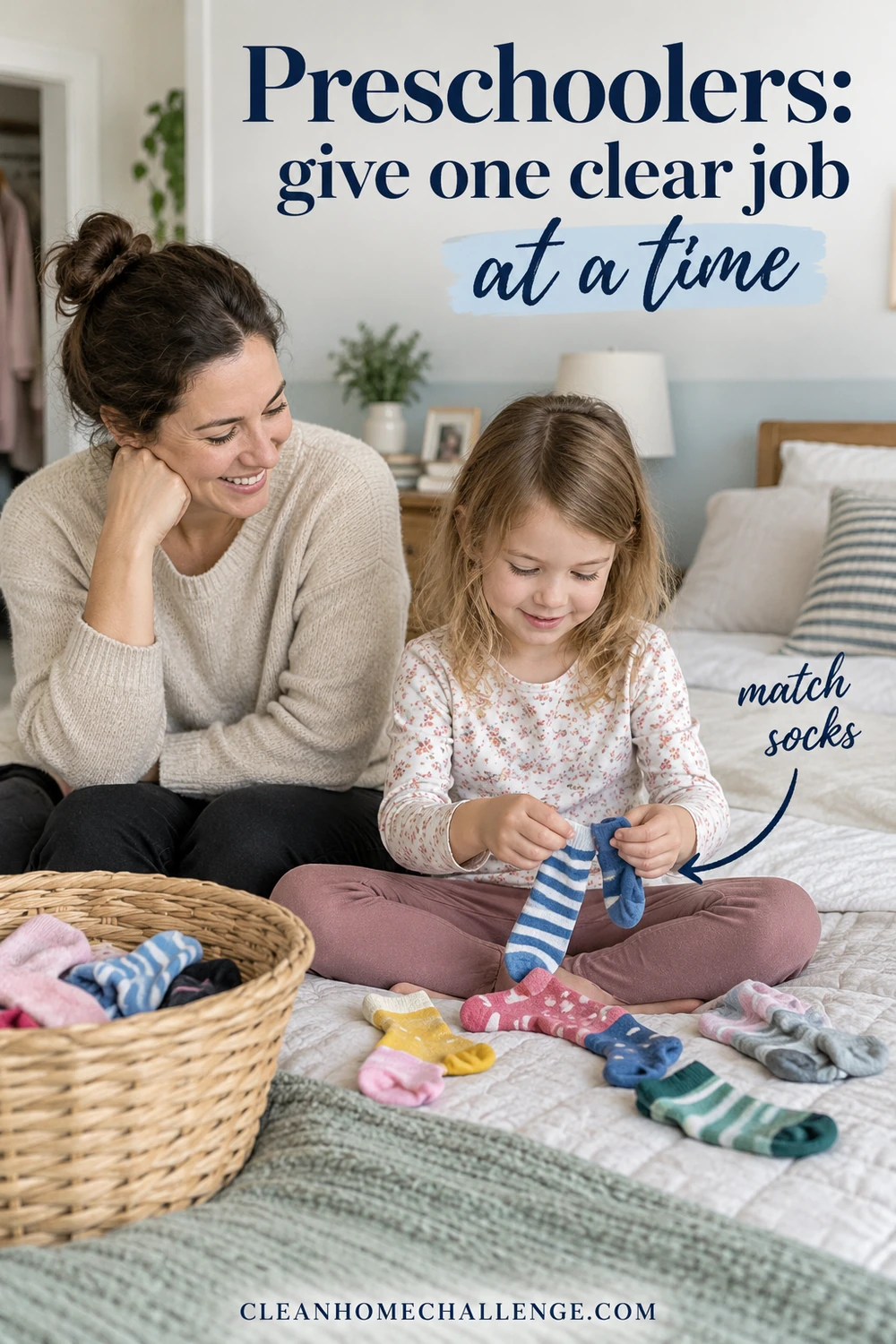
Four- and five-year-olds can begin to match socks, return books to a low shelf, sort toys into pictured bins and set out unbreakable plates. Say what “done” looks like: “Put the books on this shelf,” rather than “clean the room.” Work alongside them at first, then step back when they know the routine.
Choose a predictable cue, such as a two-minute tidy before dinner. If they lose focus, finish the first small job together instead of adding more instructions.
Ages 6–8: build a short daily routine
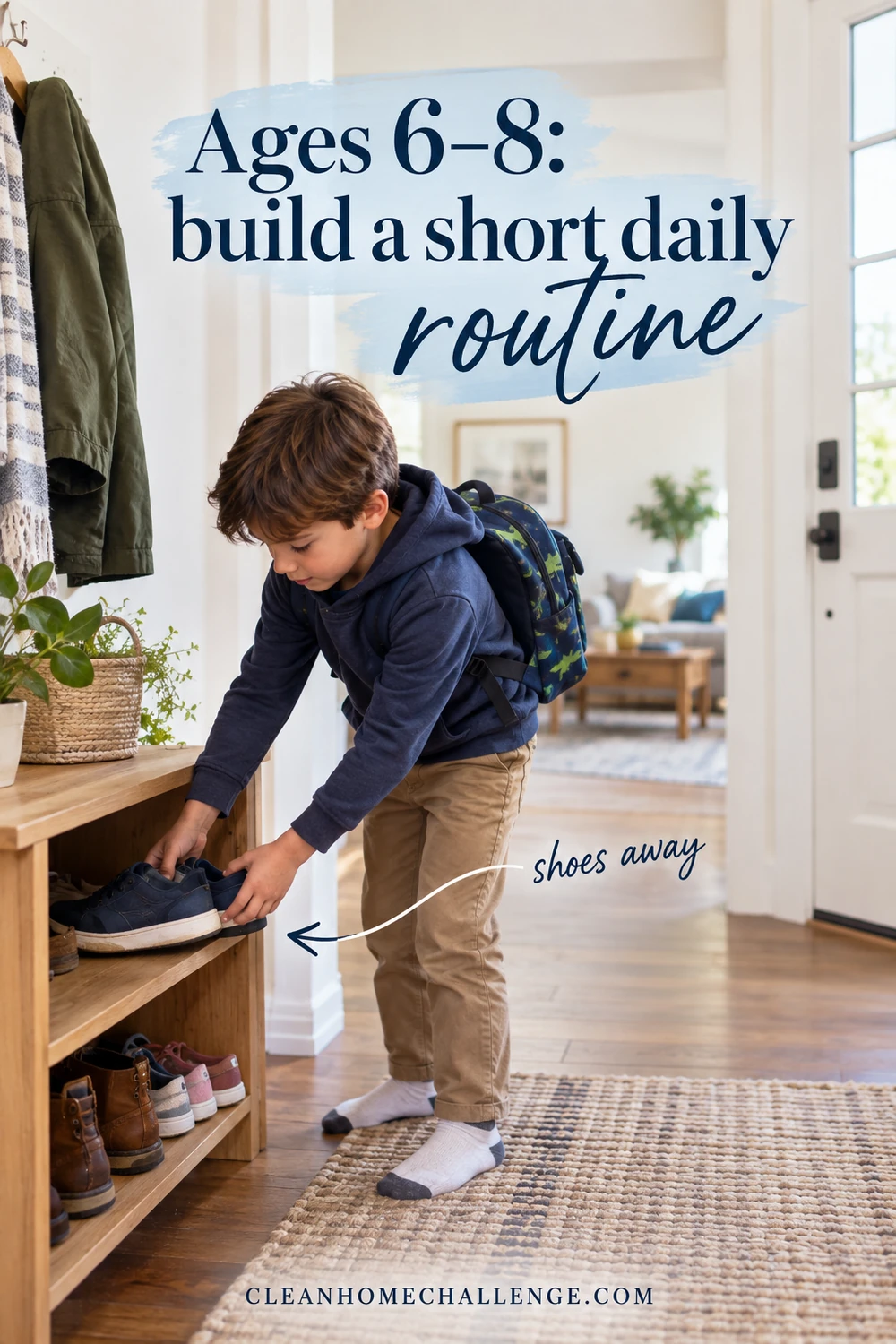
School-age children can practice making their bed, clearing their place after meals, sorting clean laundry and sweeping a small crumb area. Put supplies within reach and teach one job in three parts: where to start, what to do, and where the tool goes afterward.
A simple example is: after breakfast, put the plate by the sink; after school, place shoes in their spot; before bed, put toys away. Keep the list short enough to fit around school, play and rest.
Ages 9–12: teach the whole task
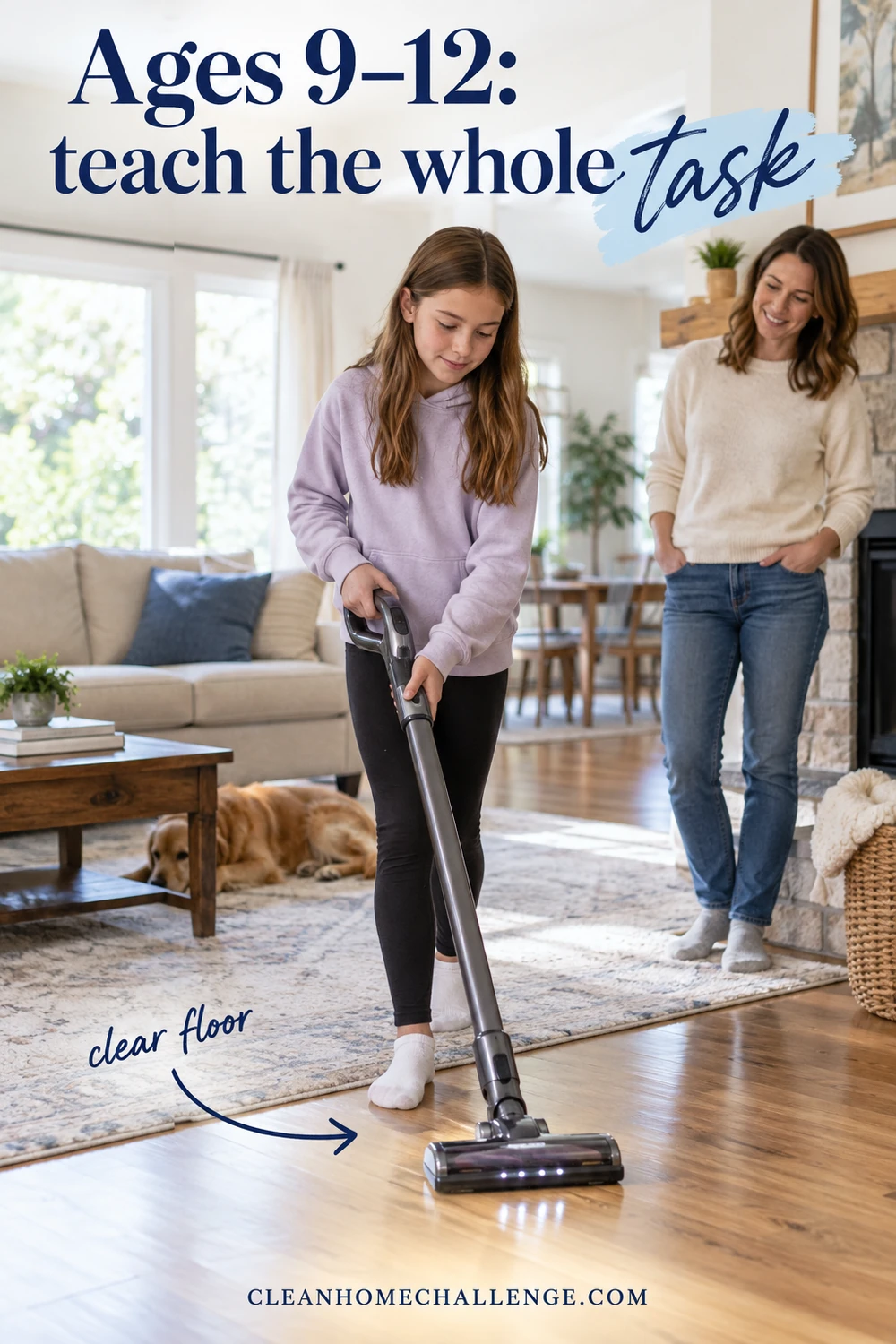
Older children may be ready to vacuum a clear room, fold and put away laundry, change a bed with help, empty a small bin or prepare a simple snack. Show how to check the floor for toys before vacuuming, how to carry a laundry basket safely, and where clean supplies belong.
Do the task together once or twice, then let them lead while you watch. If a machine, blade, heat or cleaning chemical is involved, decide the supervision and limits for that child and that equipment before starting.
Teenagers: share ownership, not just reminders
Teens can take responsibility for a regular laundry load, their bedroom reset, part of the kitchen cleanup or one shared bathroom task after instruction. Agree on the result and a realistic deadline, such as “wipe the basin and put supplies away by Sunday evening.” Let them choose when to do it within that window.
Check their school, work and other commitments when dividing jobs. Rotate unpopular shared tasks, and keep responsibility for household planning with the adults rather than expecting a teen to notice and coordinate everything.

Set up a family chore chart that actually works
- Choose one daily job and one weekly job for each child to start.
- Write the task as an action: “Put dirty clothes in the hamper.”
- Show the steps and do the first attempt together.
- Set a cue or day, and put any safe equipment within reach.
- Review after a week: keep, simplify, swap or add one task.
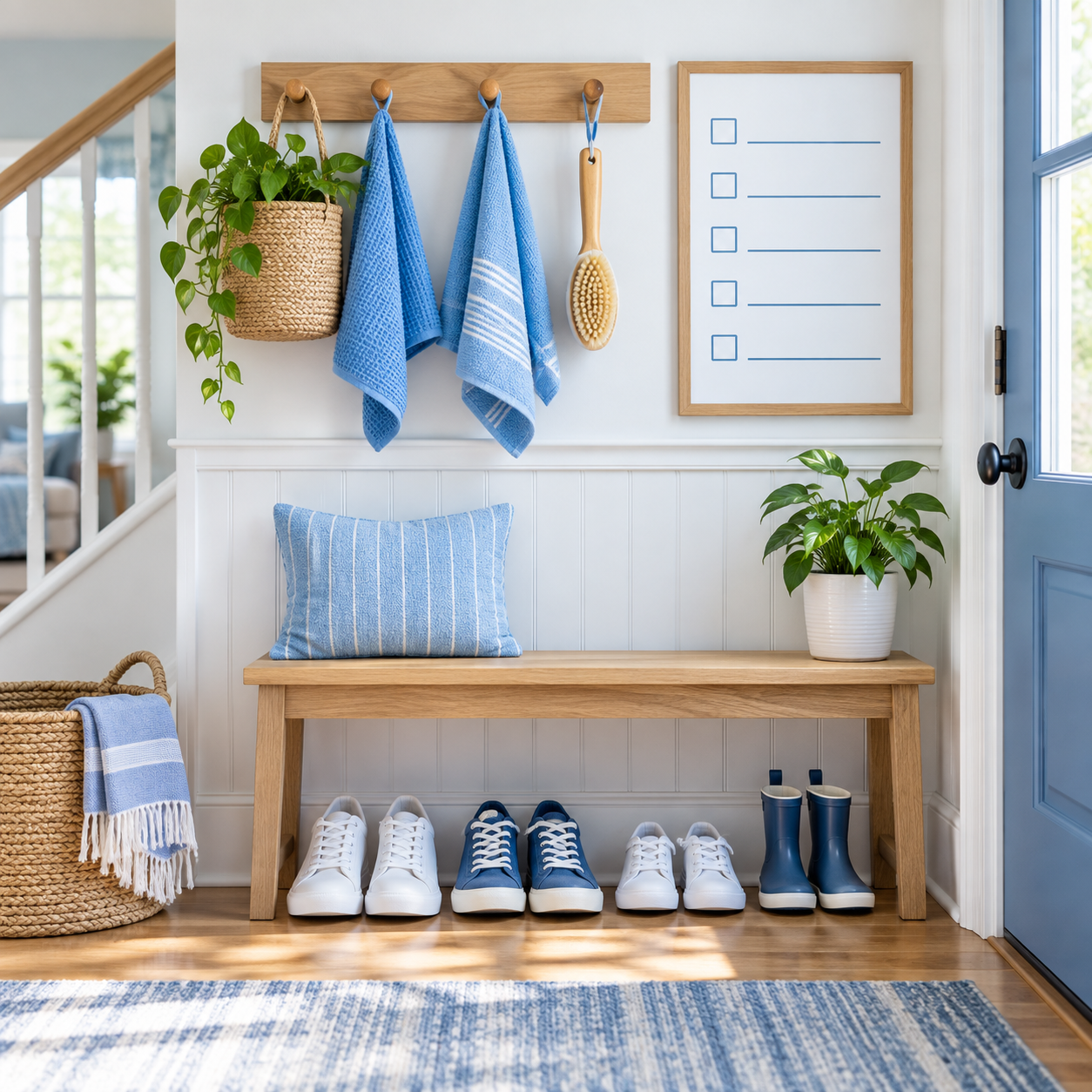
Use pictures for children who are not reading yet. For mixed-age families, pair a younger child with an older sibling for a short shared tidy, while an adult remains responsible for safety and fair workloads. You can praise effort and a completed step without demanding an adult-standard finish.

Keep cleaning jobs safe for children
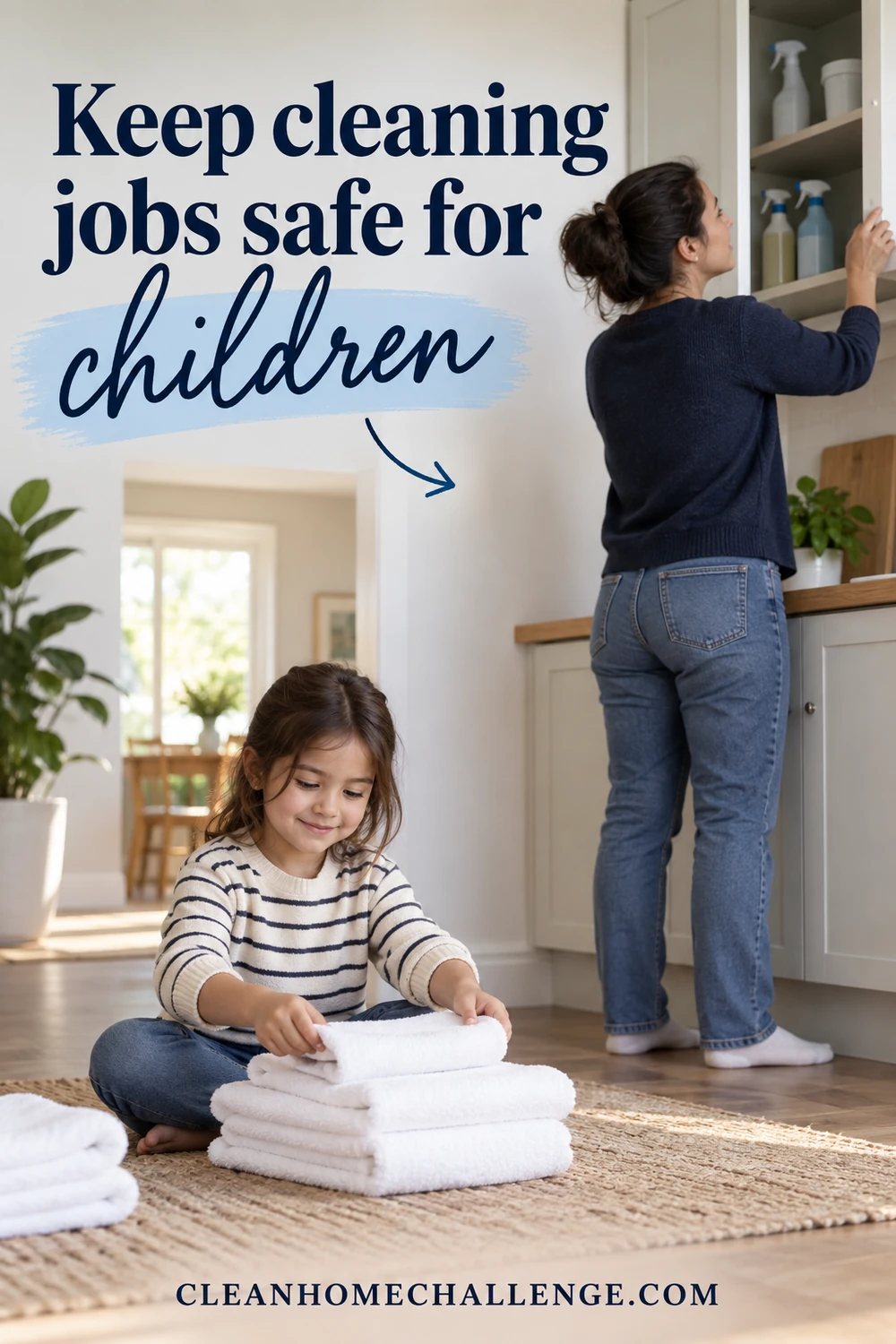
Store cleaning products, laundry pods and disinfectants out of children’s reach, preferably in secure storage and their original containers. Adults should read product labels and handle chemicals, dilution and disinfecting. Do not ask children to mix products or use bleach. Separate supervised kitchen skills from everyday tidy jobs; hot pans, sharp knives and appliances need individual training and judgment.
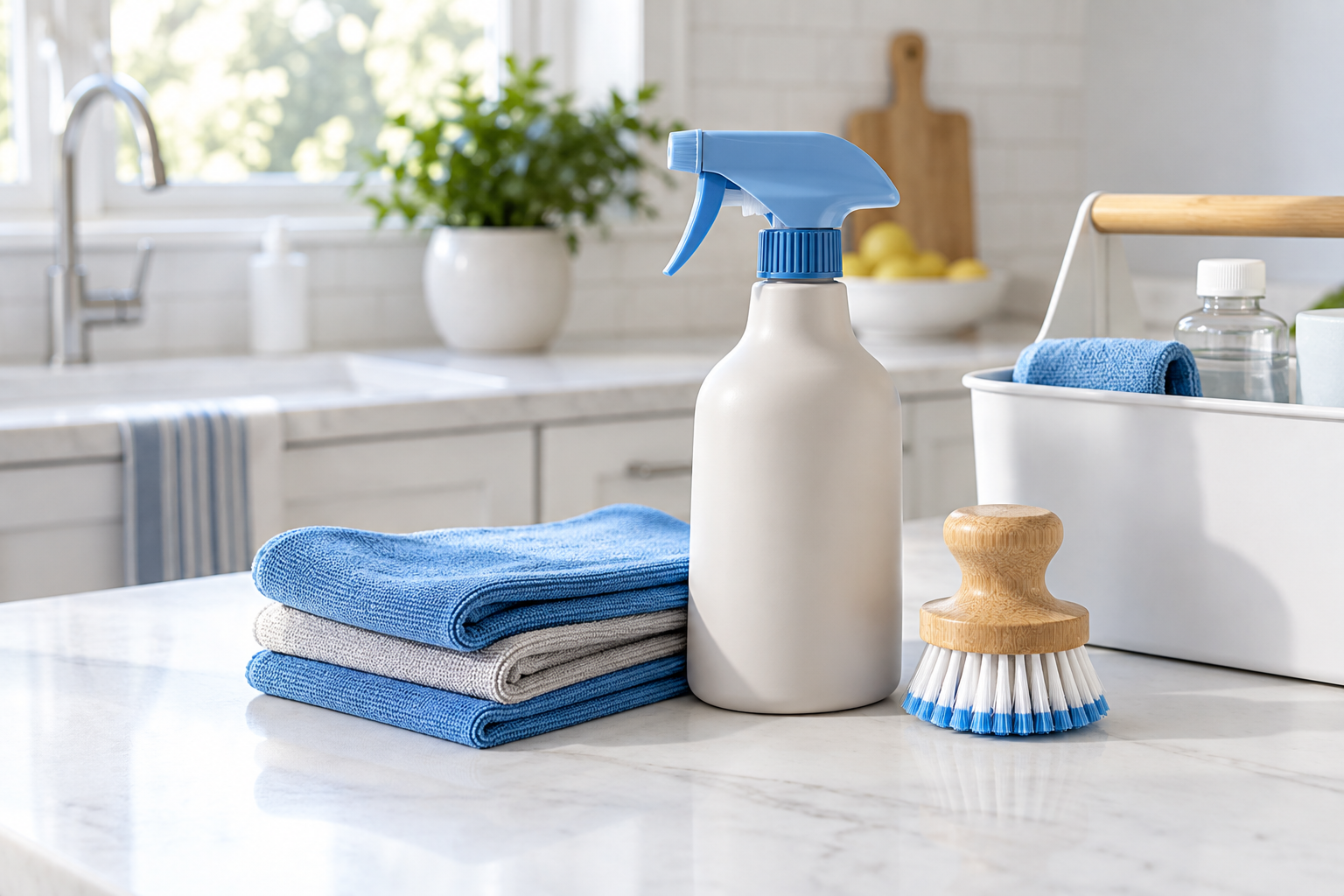
Choose dry tidying, sorting and a cloth with water as easy starter jobs. For a cleaning job using a product, check its label and your child’s readiness, then supervise as needed. Wash hands after chores involving dirt or waste. Guidance from the American Academy of Pediatrics offers age-based examples; the CDC advises keeping cleaning chemicals out of children’s reach.
What if your child refuses or forgets?
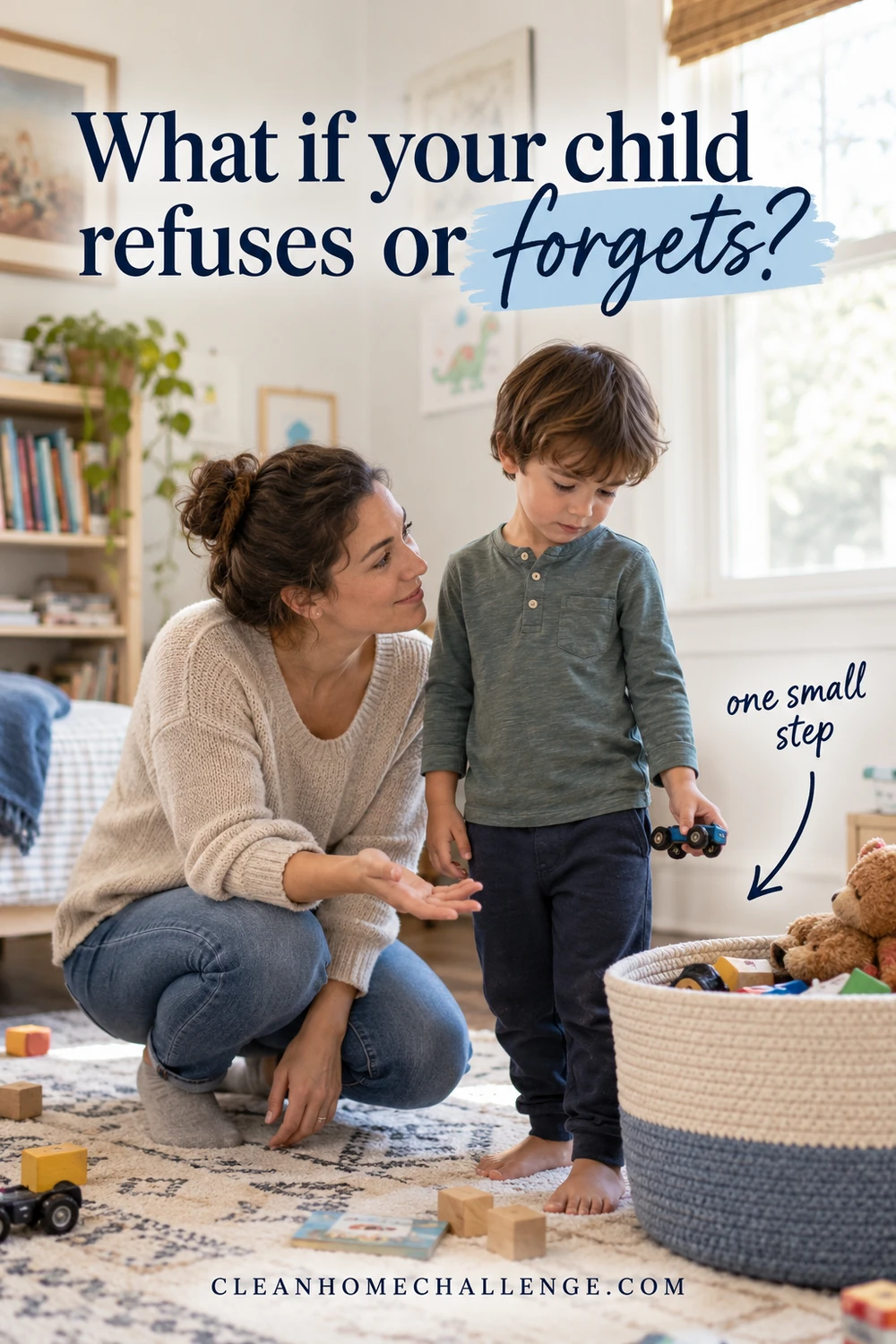
First check whether the task is clear, manageable and scheduled at a sensible time. A child who can “tidy up” may still need a specific first step. Offer a bounded choice: “Would you rather sort socks or put away books?” For a forgotten routine, use the same calm cue instead of a string of reminders.
If the chore consistently causes conflict, scale it down and practice together again. Needs and capacity change across busy weeks. The aim is a useful family habit and gradually growing skill, not a perfect room every day.
Start with one small family win
Pick a job that already fits your day: toys into a basket before dinner, dishes cleared after eating, or laundry put away on Saturday. Teach it, repeat it for a week, and notice what became easier. Then add or swap one responsibility. A home gets more manageable when everyone has a clear, realistic part to play.

CLEANERS CLUBHOUSE
Turn Small Daily Habits Into a Cleaner Home
Make cleaning feel more achievable by sharing simple routines and building habits that stick. The Cleaners Clubhouse includes the 7-Day Daily Habits Bootcamp, printable support and motivating monthly challenges.