THIS POST MAY CONTAIN AFFILIATE LINKS. PLEASE READ MY DISCLOSURE FOR MORE INFO.
The start of a school term can make an otherwise manageable home feel suddenly crowded. Backpacks land by the door, permission slips disappear under grocery lists, lunch bags come home damp, and clean uniforms seem to vanish the night before they are needed. A back-to-school home reset is not about making every cupboard perfect. It is about removing the small points of friction that turn ordinary mornings into a scramble.
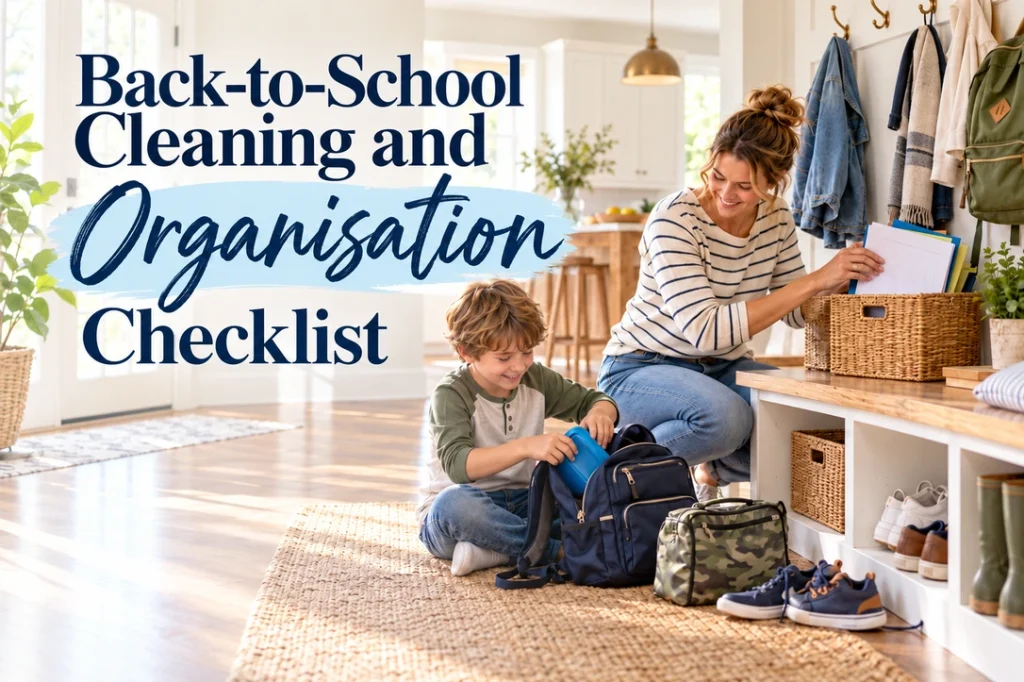
This checklist focuses on the spaces and routines that carry the most school-day traffic: the entryway, backpacks and lunch gear, the family calendar, high-touch surfaces, and laundry. You can complete it over a weekend, spread it across two weeks, or choose only the steps that solve your biggest morning problem.
Before you begin, gather a laundry basket for items that belong elsewhere, a trash bag, labels or painter’s tape, a microfiber cloth, mild dish soap, your usual surface-safe cleaner, and a small basket for school papers. Check care labels before washing bags or fabric lunchboxes. For electronics, specialty finishes, and painted surfaces, follow the manufacturer’s directions and test products in an inconspicuous spot.
Disclosure: This post may contain affiliate links. As an Amazon Associate, Clean Home Challenge earns from qualifying purchases. If you make a purchase through these links, we may earn a small commission at no extra cost to you. This helps us keep creating practical cleaning tips, routines and resources for busy families! 🧽
Set Up a Back-to-School Landing Zone
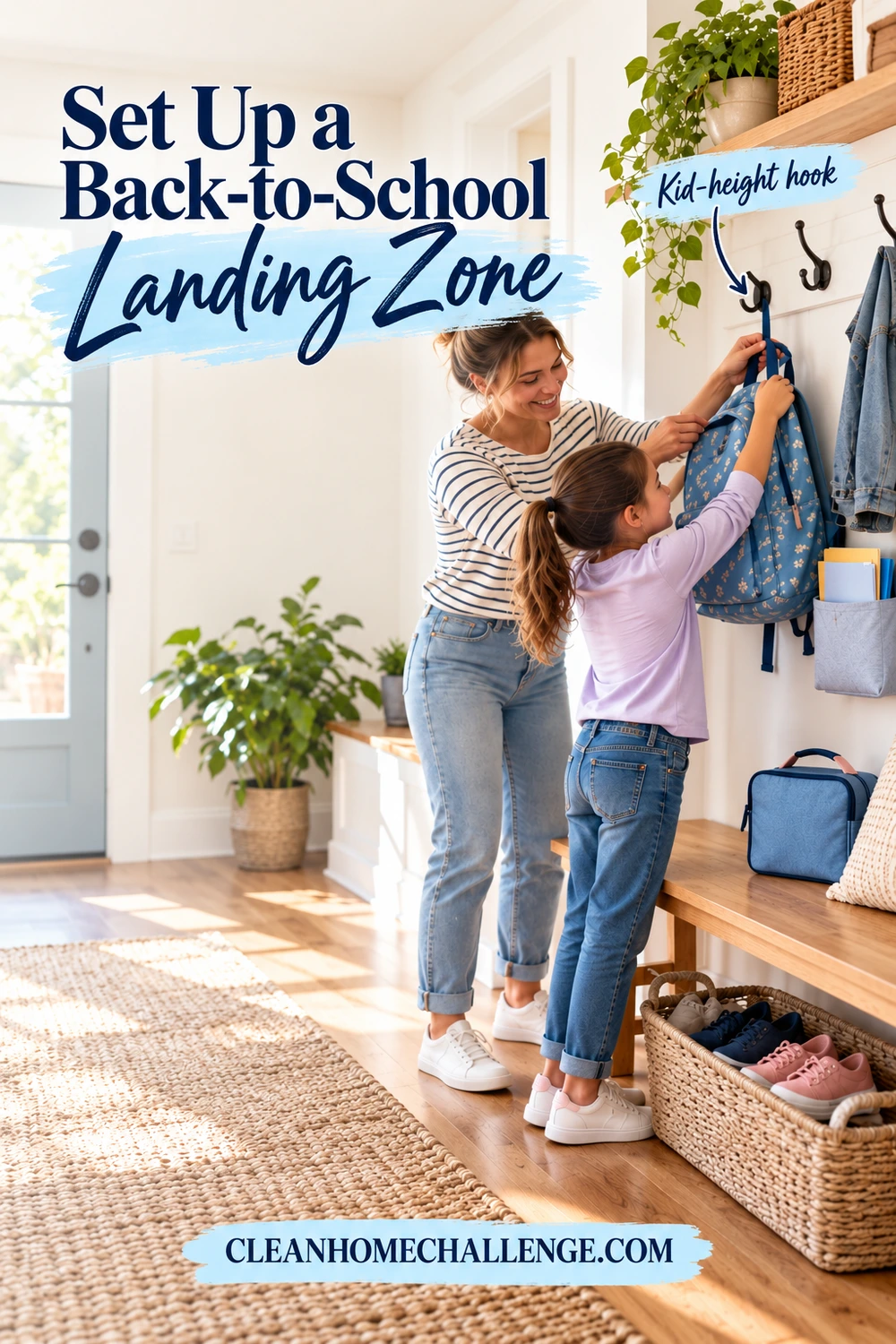
A landing zone is the small area where school things arrive and leave. It can be a whole mudroom, one wall beside the door, or a sturdy basket and a few hooks. The goal is not to build a magazine-worthy command station. The goal is to make the next action obvious.
Start by emptying the area completely. Put away out-of-season shoes, recycle old papers, and move unrelated items to their proper rooms. Vacuum or sweep the floor, wipe the wall or baseboard if it is marked, and clean the hooks or shelf with a product suitable for the finish.
Then give each daily item one reachable home:
- One hook or cubby for each backpack
- One low basket for shoes
- A narrow tray for keys, transit cards, and name badges
- A washable bin for sports gear or library books
- A small “return to school” pocket for signed forms and borrowed items
Keep the setup at the child’s height whenever possible. If a hook is awkward to reach or a basket is hidden behind a door, the system will depend on an adult putting everything away. Leave a little empty space, too. A landing zone packed to the edges cannot absorb the surprise art project, wet raincoat, or instrument case that arrives midweek.
Use labels only where they reduce decisions. A simple name or picture works better than a detailed category list for younger children. Before buying storage, live with a temporary version for a week. Painter’s-tape labels and existing baskets will show you what the family actually uses.
Reset Backpacks, Lunch Bags and Water Bottles
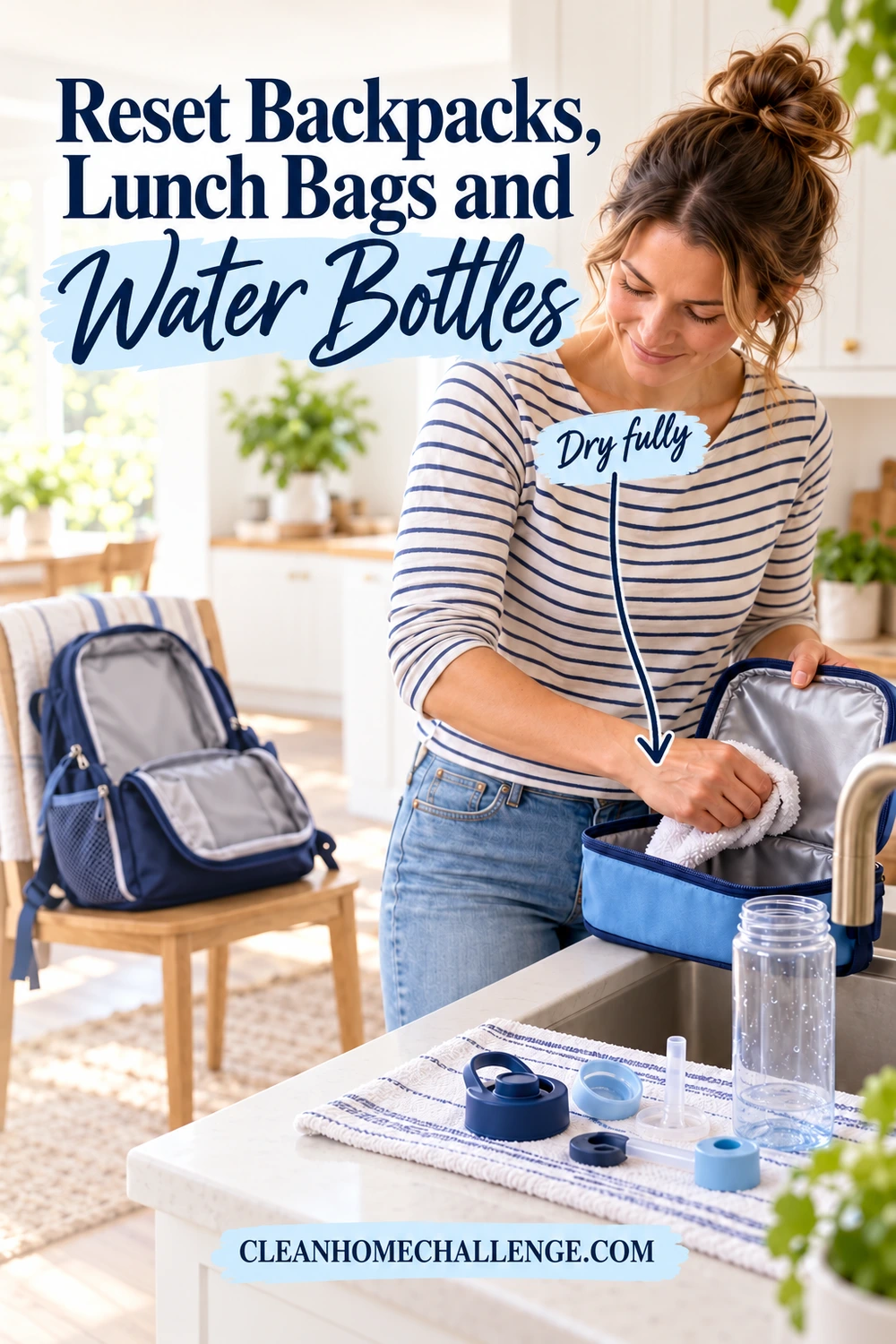
Backpacks and lunch gear need different care, so begin with the label rather than assuming everything can go in the washing machine. Empty every pocket, shake out crumbs outdoors, and remove detachable inserts. Check seams, zipper tracks, and the base for forgotten food, damp paper, pens, or broken supplies.
For a backpack, spot-clean marks with mild soap and water if the care label permits. Use a soft cloth or brush, keep moisture away from padded laptop compartments and electronics, and allow the bag to dry completely with pockets open. If the manufacturer allows machine washing, fasten straps and use the stated cycle. Do not put a coated or structured bag in the dryer unless the label specifically permits it.
For a soft lunch bag, wipe the interior after each use and wash more thoroughly when residue or odor appears, following its care instructions. Pay attention to corners and zipper seams where moisture collects. Dry it fully before closing it. Clean ice packs, reusable containers, and bottle lids separately; take apart removable seals only when the manufacturer says they are designed to be removed.
Food safety matters more than making a lunch bag smell perfumed. The USDA recommends an insulated lunch bag and at least two cold sources for perishable food when refrigeration is not available. It also advises washing hands, counters, dishes, and utensils before packing food. You can review its current guidance in Keeping “Bag” Lunches Safe.
Finish with a weekly five-minute backpack reset. Remove old papers, return library books to the landing zone, refill tissues or supplies, and move the heaviest books closest to the child’s back. The American Academy of Pediatrics also recommends cleaning out unneeded items weekly and using both shoulder straps for a better fit.
Create a Family Command Center That Stays Useful
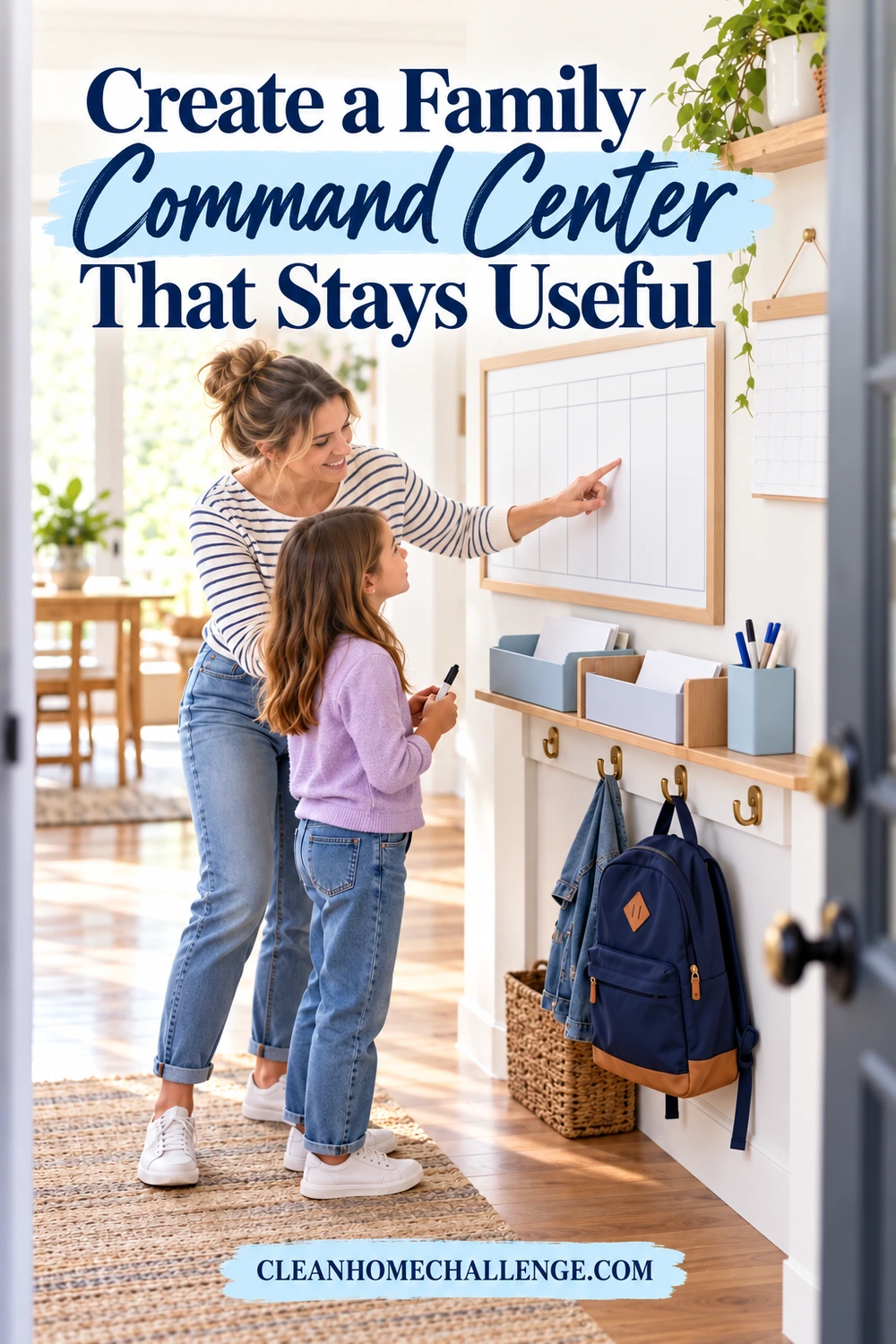
A family command center works only if it contains information people check. It does not need matching frames, decorative folders, or a complex color code. Choose one visible spot and decide which three or four things deserve space there.
A practical setup might include:
- A weekly calendar with school, work, and activity times
- An inbox for papers that require an adult decision
- An outbox for forms, payments, or items going back to school
- A short meal or lunch plan
- A pen attached nearby
Avoid using the board as long-term storage. At the end of each week, transfer dates to the main calendar, file records worth keeping, and recycle the rest. If multiple adults manage schedules, agree on one source of truth. A paper planner, shared digital calendar, or wall board can all work; three competing calendars usually create more checking rather than less.
Set a recurring five-minute review for Sunday afternoon or the evening before the school week begins. Read the school calendar, check transport and activity changes, note any special clothing or supplies, and move the next day’s paperwork into the outbox. The best system is the one you can update while standing in the middle of normal family life.
Clean the High-Touch Hotspots Without Overdoing It
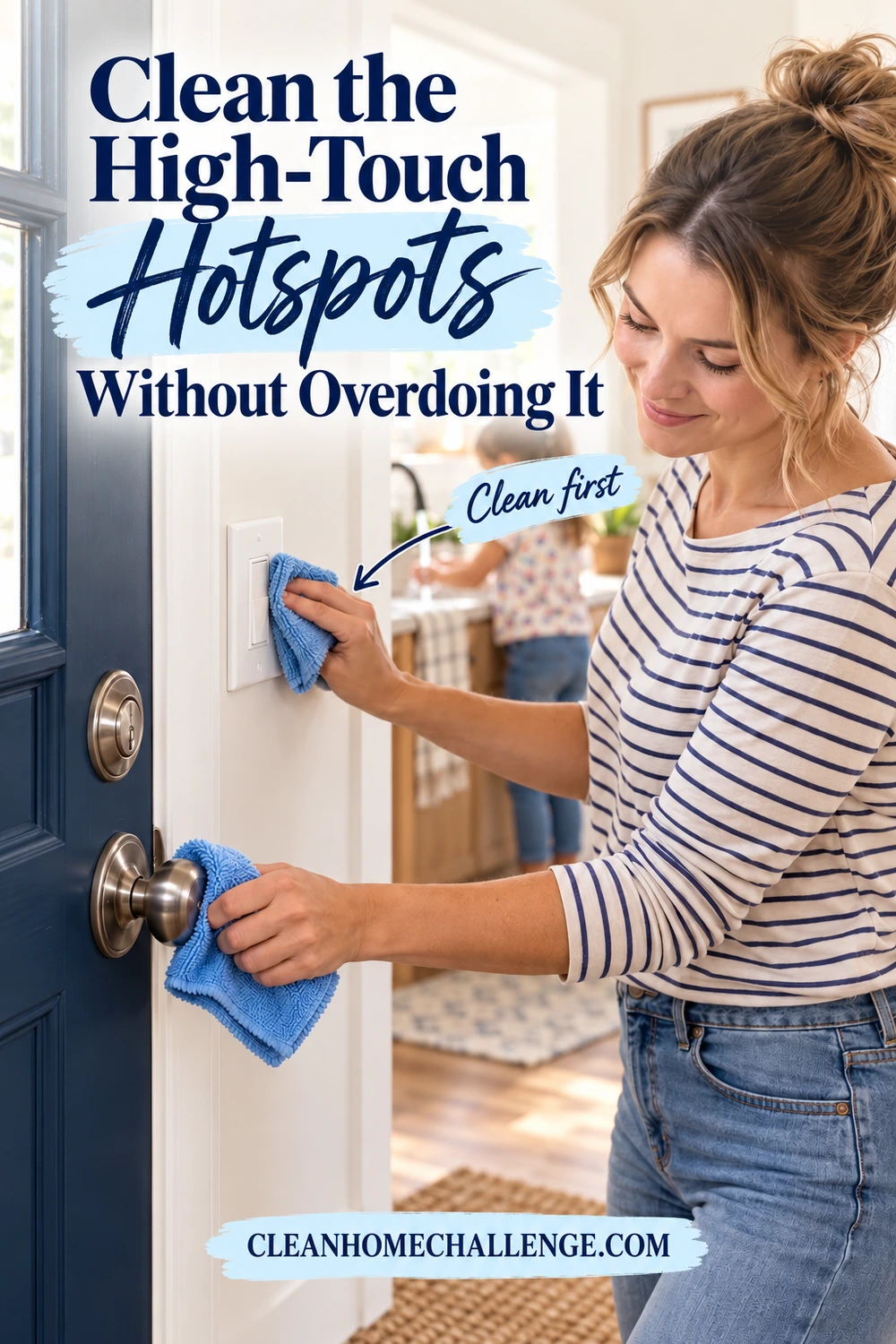
Back-to-school season brings more hands, bags, shoes, and shared objects through the house, but that does not mean every surface needs daily disinfectant. The CDC explains that routine cleaning with soap or detergent removes dirt and most germs from surfaces; disinfecting is generally most useful when someone is sick or at higher risk. Clean first, use a product suitable for the surface, and follow the label.
Focus on visible soil and the places the family actually touches:
- The entry door handle and light switch
- The tray or hook used for keys and school cards
- The kitchen counter where lunchboxes are unpacked
- Fridge and pantry handles
- Shared device cases, keyboards, and charging stations
- Faucet handles used after school
Work from cleaner areas to dirtier ones and use separate cloths for food-prep surfaces and entryway grime. For screens and electronics, unplug when appropriate and follow the device maker’s cleaning directions; do not spray liquid directly onto a device.
If disinfection is needed, read the full label, ventilate the area, keep the surface wet for the listed contact time, and store products away from children and pets. Never mix cleaning products, including bleach with vinegar, ammonia, alcohol, or another cleaner. The CDC’s current home cleaning and disinfecting guidance is a useful reference when illness is in the household.
A two-minute wipe of the landing zone and lunch-packing counter once or twice a week is usually more sustainable than a large daily routine. Clean sooner when something is visibly dirty or food has leaked.
Build a Weekday Laundry and Uniform Routine
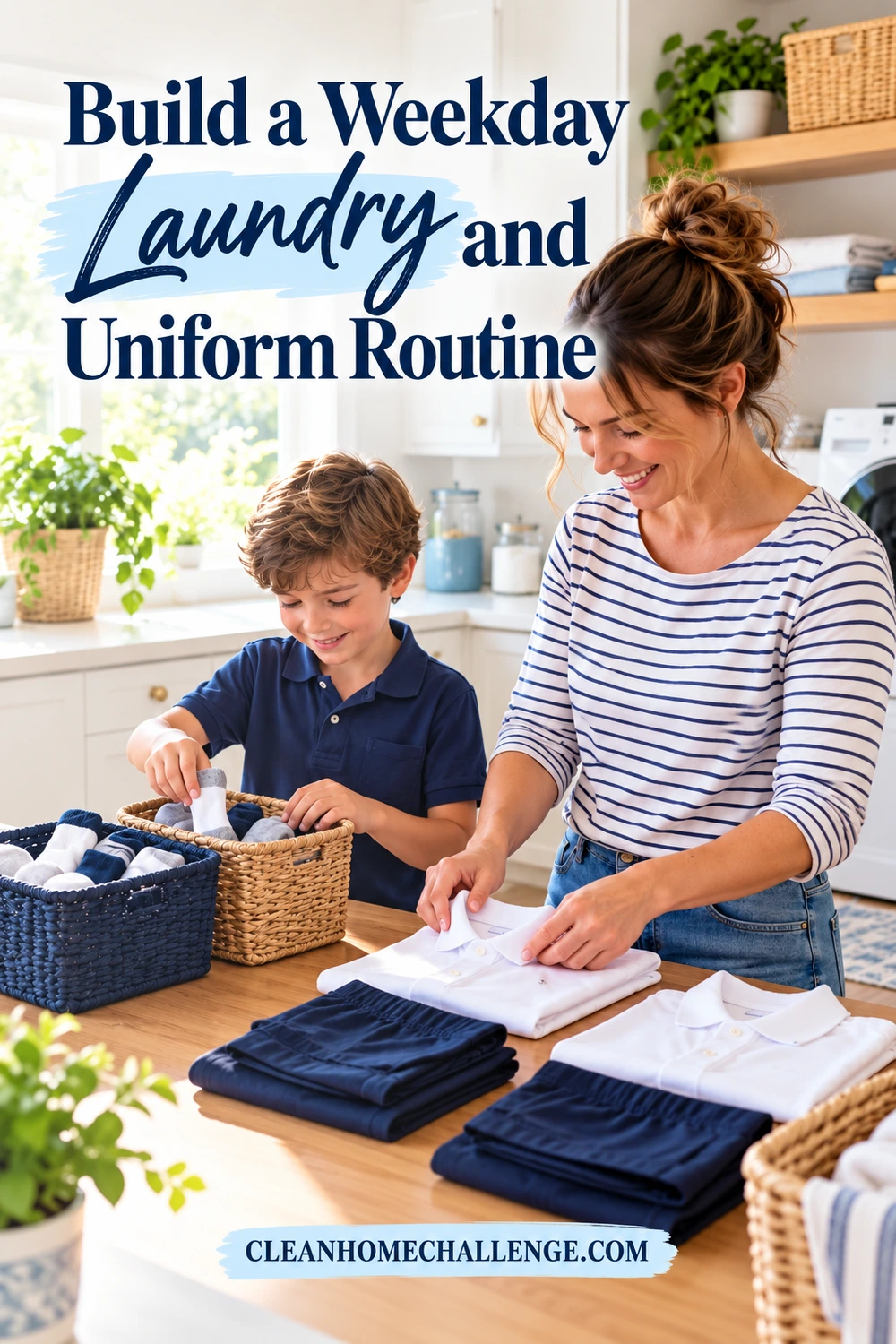
School laundry becomes stressful when the system depends on remembering a specific item at the last minute. Begin by checking what is actually required each week: uniforms, sports clothes, dancewear, swim gear, spare socks, and any dress-code layers. Then create a routine around the smallest number of loads that keeps those items available.
Give school clothing a dedicated hamper or a clearly marked section of the main hamper. Ask children to empty pockets as part of changing clothes, but still check pockets before washing. Treat stains promptly according to the garment care label, and keep stain products out of children’s reach.
A simple rhythm might be:
- Monday: everyday school clothing
- Wednesday: sports or activity gear
- Friday or Saturday: catch-up load, bedding, and next-week check
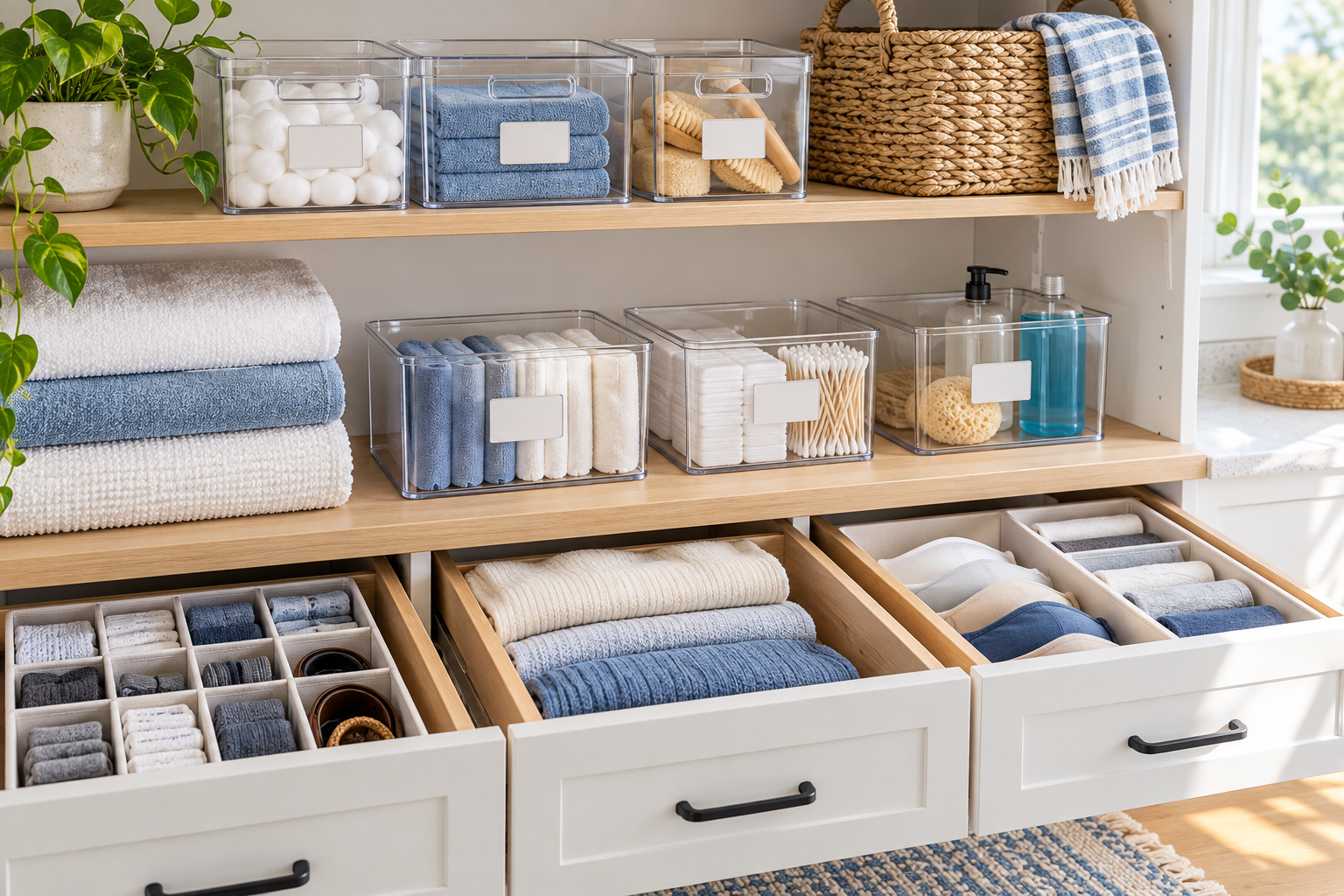
You do not need a separate load for every category. Combine items when color, fabric, soil level, and care instructions allow. Set aside anything that needs repair before it disappears back into the closet. Keep complete outfits together or use a five-slot organizer only if it truly saves time; many families do better with one drawer for tops, one for bottoms, and a visible basket for accessories.
On Sunday, check the forecast, activity schedule, and clean-clothing supply. Put one backup outfit where the child can find it. This prevents a missed wash from becoming a morning emergency without requiring you to plan every outfit in advance.
Use a Two-Week Back-to-School Cleaning Checklist
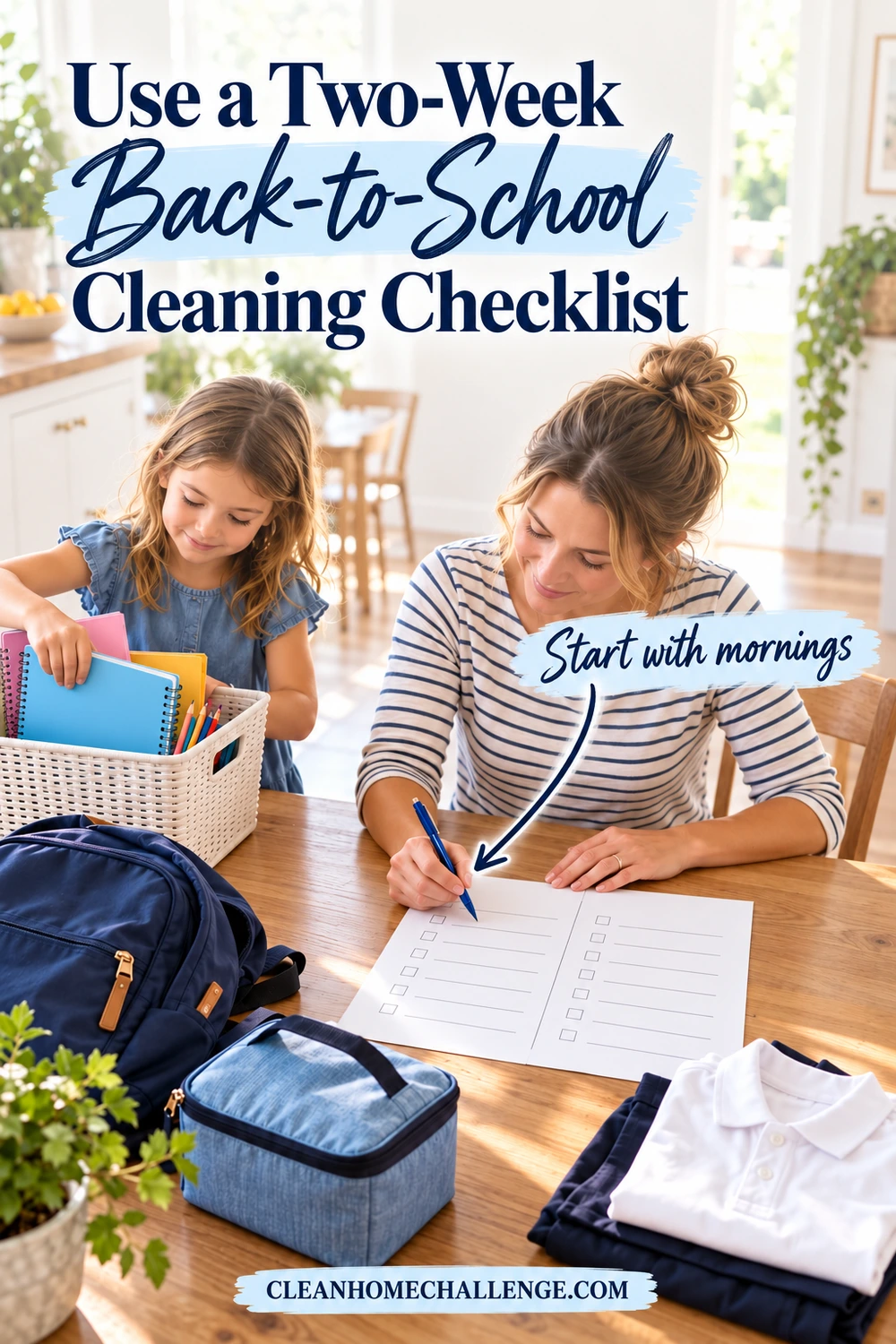
Spreading the reset over two weeks keeps it from swallowing a whole weekend. Start with the jobs that affect the first morning, then handle deeper cleaning and maintenance once the basic system is working.
Week one: make mornings easier
- Clear and clean the entryway
- Assign backpack and shoe homes
- Empty and inspect backpacks
- Wash or wipe lunch bags according to care labels
- Clean bottles, lids, and reusable food containers
- Set up the calendar, paper inbox, and school outbox
- Check uniforms, sports gear, and weather layers
- Restock only supplies that are genuinely missing
Week two: make the system easier to maintain
- Vacuum under entryway storage and clean baseboards
- Wipe high-touch surfaces that are visibly dirty
- Remove old papers and duplicate supplies
- Test the Sunday calendar review
- Add a weekly backpack and lunch-bag reset
- Create a simple laundry rhythm
- Move unused storage that gets in the way
- Ask each child what is difficult to put away and adjust the setup
Keep the list visible and stop when the useful tasks are done. Deep-cleaning every bedroom, reorganizing every closet, and buying matching containers are optional projects—not prerequisites for a smoother school week. If you have only 20 minutes, clear the entryway, prepare the paper outbox, and check lunch gear. Those three jobs solve many of the most common delays.
CLEANERS CLUBHOUSE
Need Help Getting Through a Proper Deep Clean?
Follow the 7-Day Deep Clean Bootcamp when your home needs more than a quick tidy. The Cleaners Clubhouse breaks the work into achievable steps with printable support and seasonal cleaning guidance.
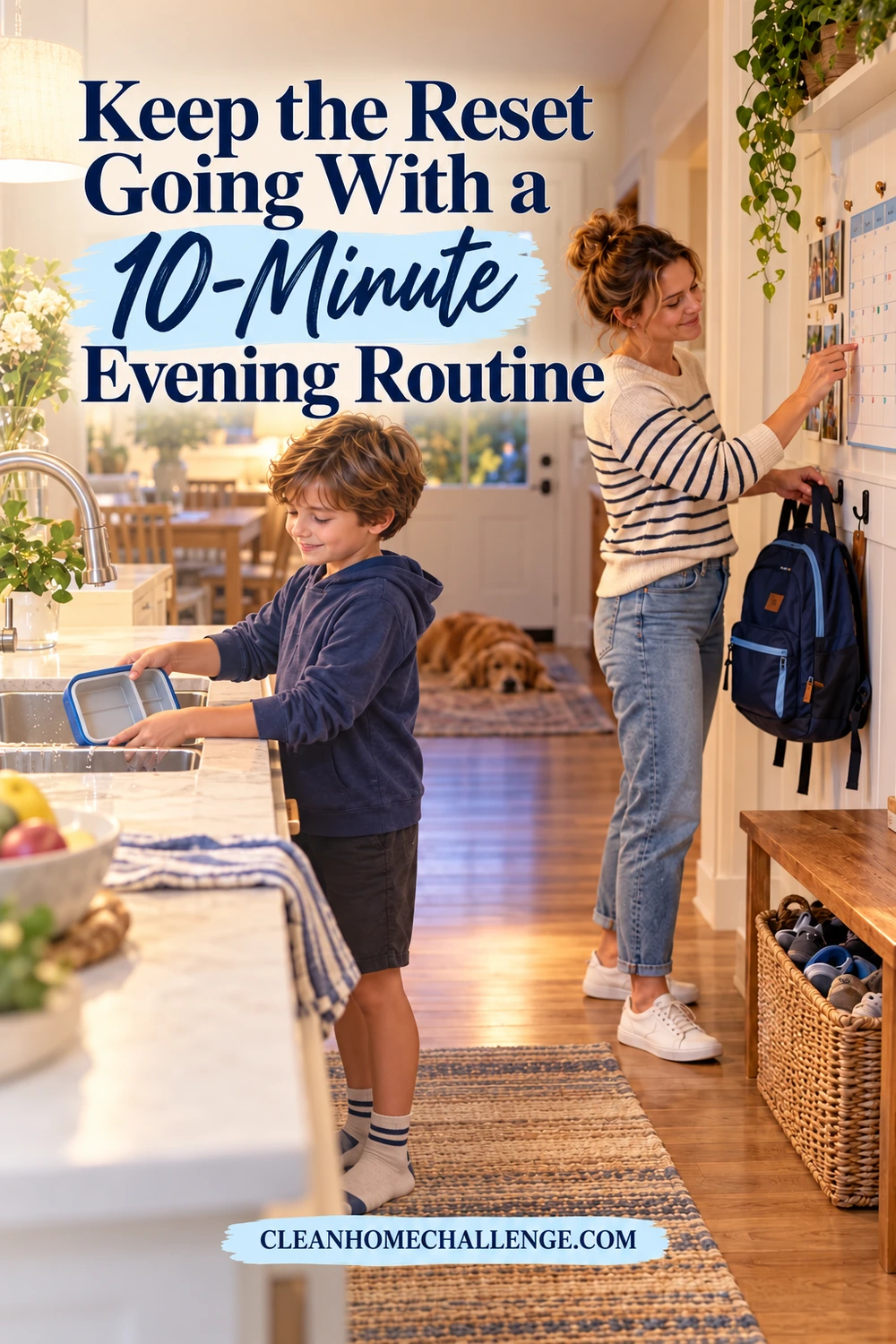
Keep the Reset Going With a 10-Minute Evening Routine
The back-to-school reset lasts when the closing routine is shorter than the family’s patience. Set a ten-minute timer after dinner or before bedtime and give each person one clear responsibility.
Try this order:
- Empty lunch bags and place containers by the sink or dishwasher.
- Put cold packs back in the freezer.
- Move papers to the adult inbox or school outbox.
- Return backpacks, shoes, and activity gear to the landing zone.
- Check tomorrow’s calendar and weather.
- Put one laundry load on or move it to the next stage if needed.
- Wipe the lunch-packing counter when it is visibly dirty.
Children can take age-appropriate pieces of the routine without being responsible for the whole household. A younger child might put their bottle beside the sink and hang a backpack; an older child can unpack lunch gear, check tomorrow’s timetable, and start their own sports wash with guidance.
When an evening is exhausting, use the three-step minimum: empty food, find tomorrow’s essential item, and clear a safe path by the door. The rest can wait. Consistency comes from returning to the routine after a difficult day, not from completing every step perfectly.
The best back-to-school organization system is not the prettiest one. It is the one that helps people leave the house with fewer searches, brings food gear back to a clean starting point, and makes tomorrow a little easier. Begin with the pressure point you feel most often and build from there.