

THIS POST MAY CONTAIN AFFILIATE LINKS. PLEASE READ MY DISCLOSURE FOR MORE INFO.
A bedroom can look tidy and still be holding weeks of dust, lint, hair, clutter and jobs you rarely notice during a quick weekly clean. The easiest way to deep clean it properly is to work in a clear order: strip the bed, clean from the top of the room down, finish with the floor, then remake the bed once the dust has settled.
This bedroom deep cleaning checklist is designed for busy families. You can complete it in one longer session, split it over two days, or use it as your Wednesday bedroom focus inside the Clean Home Challenge routine.
Disclosure: This post may contain affiliate links. As an Amazon Associate, Clean Home Challenge earns from qualifying purchases. If you make a purchase through these links, we may earn a small commission at no extra cost to you. This helps us keep creating practical cleaning tips, routines and resources for busy families! 🧽
What a Bedroom Deep Clean Should Actually Include
A deep clean goes further than making the bed, putting clothes away and vacuuming the visible floor. It tackles the slower buildup that normal weekly cleaning misses: ceiling corners, light fittings, fan blades, tops of furniture, skirting boards, window tracks, under the bed, wardrobe floors, mattress seams and the narrow edges where dust and hair gather.
If allergies are an issue in your household, the bedroom deserves extra attention because bedding, carpet and soft furnishings can hold allergens. The Asthma and Allergy Foundation of America recommends practical measures such as reducing clutter, dusting with a microfiber or damp cloth, washing bedding regularly and vacuuming with a well-sealed HEPA-filter vacuum where appropriate. See AAFA guidance.
- Weekly cleaning keeps visible dust, laundry and floor mess under control.
- Deep cleaning reaches behind, under and above the areas you normally clean.
- Decluttering removes excess items so the room is easier to maintain.
- Disinfecting is separate from routine cleaning and is not automatically needed across the whole bedroom.

Gather Your Supplies and Clear the Room First
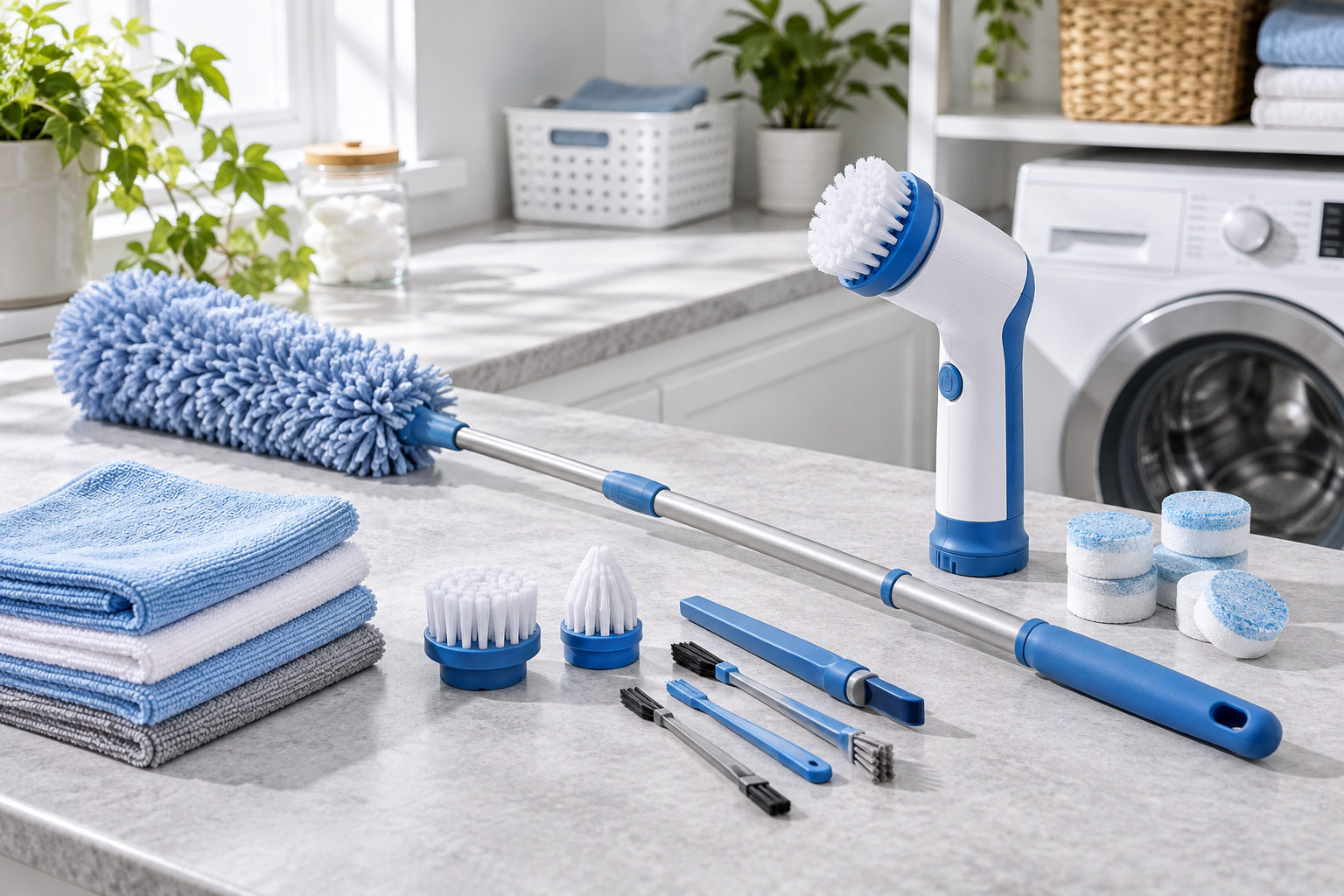
Before you start, gather everything you need so you are not walking in and out of the room every few minutes. A simple kit is enough: a laundry basket, rubbish bag, long duster, microfiber cloths, vacuum with crevice and upholstery tools, a suitable everyday cleaner, glass cleaner if needed, and your normal floor-cleaning equipment.
Do a quick five-to-ten-minute reset before the real cleaning starts. Put dirty clothes in the hamper, take dishes out, return obvious items to their homes and place anything that belongs elsewhere into one basket. Do not stop to reorganise every drawer. The goal is to expose the surfaces and floor so you can clean them properly.

Strip the Bed and Wash Bedding Before You Dust
Strip the sheets, pillowcases and washable protectors first, then start the wash before moving on to the rest of the room. That gets one of the longest jobs underway while you clean.
Always follow the care labels. For households managing a diagnosed dust-mite allergy, AAFA recommends washing bedding weekly in hot water around 130°F/54°C where fabric and appliance instructions allow. For ordinary household cleaning, use the warmest safe setting recommended on the label rather than damaging the fabric. Read AAFA dust-mite advice.
Keep freshly washed or drying bedding away from the room while you dust so it does not collect the debris you are disturbing.

Dust the Bedroom From Top to Bottom
Dust before you vacuum so anything that falls can be collected from the floor later. Work around the room in one direction and begin above eye level.
- Ceiling corners and visible cobwebs.
- Ceiling fan blades and light fittings.
- Tops of tall furniture and door frames.
- Shelves, picture frames and decorative items.
- Headboards, lamps, bedside tables and dressers.
- Doors, handles, switch plates and skirting boards.
Use a microfiber or slightly damp cloth where suitable so dust is captured rather than pushed into the air. For electronics, avoid spraying cleaner directly onto the device and follow the manufacturer’s care instructions.

Clean the Mattress, Headboard and Bed Frame
With the bedding removed, inspect the mattress for stains, moisture or damage. If the mattress manufacturer allows it, vacuum the surface slowly with an upholstery attachment, paying attention to seams and edges.
Avoid soaking the mattress with liquid cleaner. Too much moisture can be difficult to dry from thick materials. Spot-treat only according to the mattress care instructions and allow the area to dry fully before remaking the bed.
Wipe hard bed frames with a suitable cleaner. For upholstered headboards, vacuum first and use the fabric-care method recommended by the manufacturer. If you use an allergen-barrier mattress cover, check that it is still in good condition before putting it back on.


CLEANERS CLUBHOUSE
Follow a Simple Room-by-Room Cleaning Plan
Break the house into manageable spaces and know exactly where to focus next. The Cleaners Clubhouse gives you a follow-along 12-month calendar, printable worksheets and motivating monthly challenges.
Clean Bedside Tables, Dressers and Wardrobe Areas
Now work through the storage furniture that affects the room every day. Empty only one small area at a time so you do not turn the bedroom into a sorting project.
Wipe bedside tables, lamp bases, drawer pulls and the floor underneath. Clear dresser tops, dust the back edge and wipe handles. In the wardrobe, vacuum or wipe the exposed floor and lower shelves, and check corners for moisture or mould.
If you find a dampness problem, deal with the source rather than simply wiping the visible mark and closing the door again. Keep frequently used items easy to reach and avoid overloading open surfaces, because fewer items sitting out means faster weekly dusting.

Clean Windows, Mirrors, Doors and Small Details
Dust blinds or shutters using the method suitable for the material. Wash washable curtains only when they are due and the care label allows it. Clean mirrors with a lint-free cloth and a suitable glass product or method.
Wipe window sills and tracks, then clean fingerprints from the bedroom door and wardrobe doors. Pay attention to handles, switch plates and the areas directly around them.
Check lampshades, charging stations, alarm clocks and power boards for dust. Always follow electrical safety and manufacturer instructions, especially around moisture.

Vacuum Under the Bed and Clean the Floor Last
The floor comes near the end because dust from almost every earlier step lands there. Start at the edges and under furniture, then work towards the door.
Use a crevice tool along skirting boards, beside the bed and around furniture legs. If you can safely access under the bed, remove stored items, vacuum the floor and dust the containers before putting them back.
For carpet, vacuum slowly enough for the machine to pick up debris effectively. If allergies are a concern, a well-sealed HEPA-filter vacuum may help reduce dust being blown back into the room. For hard floors, vacuum or sweep first, then mop only with a method suitable for the floor finish.

Common Bedroom Deep-Cleaning Mistakes to Avoid
- Making the bed before dusting. Fresh bedding can collect the dust you dislodge from fans, shelves and furniture.
- Vacuuming first. You may end up doing the floor twice.
- Turning the clean into a full decluttering marathon. Keep detailed organising for another session if it slows the clean down.
- Spraying cleaner directly onto electronics. Follow device instructions and apply product to the cloth where suitable.
- Using too much water on mattresses, timber or laminate.
- Mixing cleaning products. Never combine products unless the manufacturer specifically directs you to do so.
- Dragging heavy furniture alone. Clean what you can safely reach and get help with large pieces.

Your Bedroom Deep-Cleaning Checklist
- Collect rubbish, dishes and items that belong elsewhere.
- Strip the bed and start the bedding wash.
- Dust ceiling corners, fan, lights and high surfaces.
- Dust shelves, furniture, doors and skirting boards.
- Vacuum the mattress if suitable and clean the bed frame.
- Wipe bedside tables, dresser tops, handles and exposed wardrobe areas.
- Clean mirrors, window sills, tracks and doors.
- Vacuum under the bed and around furniture edges.
- Vacuum carpet thoroughly or clean hard flooring appropriately.
- Return only the items you actually want in the room.
- Remake the bed once the room is dust-free and the bedding is fully dry.
If you have limited time, split the job into two sessions: do bedding, high dusting and furniture first, then finish the mattress, windows and floors later. A deep clean still counts when you do it in stages.
To keep the room fresh afterwards, keep dirty clothes off the floor, dust visible surfaces weekly, vacuum regularly and include bedrooms in your Wednesday Clean Home Challenge routine. The next deep clean will be much easier because you are maintaining the reset rather than starting from scratch.