

THIS POST MAY CONTAIN AFFILIATE LINKS. PLEASE READ MY DISCLOSURE FOR MORE INFO.
A fridge deep clean can easily turn into a long job—and an expensive one—if food warms up, useful ingredients get thrown away, or shelves are rushed back in while damp. This practical method keeps the job manageable, protects your food, and helps you see what needs using before it disappears behind a jar.
Allow around 30–60 minutes, depending on the size and condition of your fridge. If that feels like too much today, clean one shelf and one drawer at a time.
Disclosure: This post may contain affiliate links. As an Amazon Associate, Clean Home Challenge earns from qualifying purchases. If you make a purchase through these links, we may earn a small commission at no extra cost to you. This helps us keep creating practical cleaning tips, routines and resources for busy families! 🧽
Before You Start: Keep Food Safe and Cold
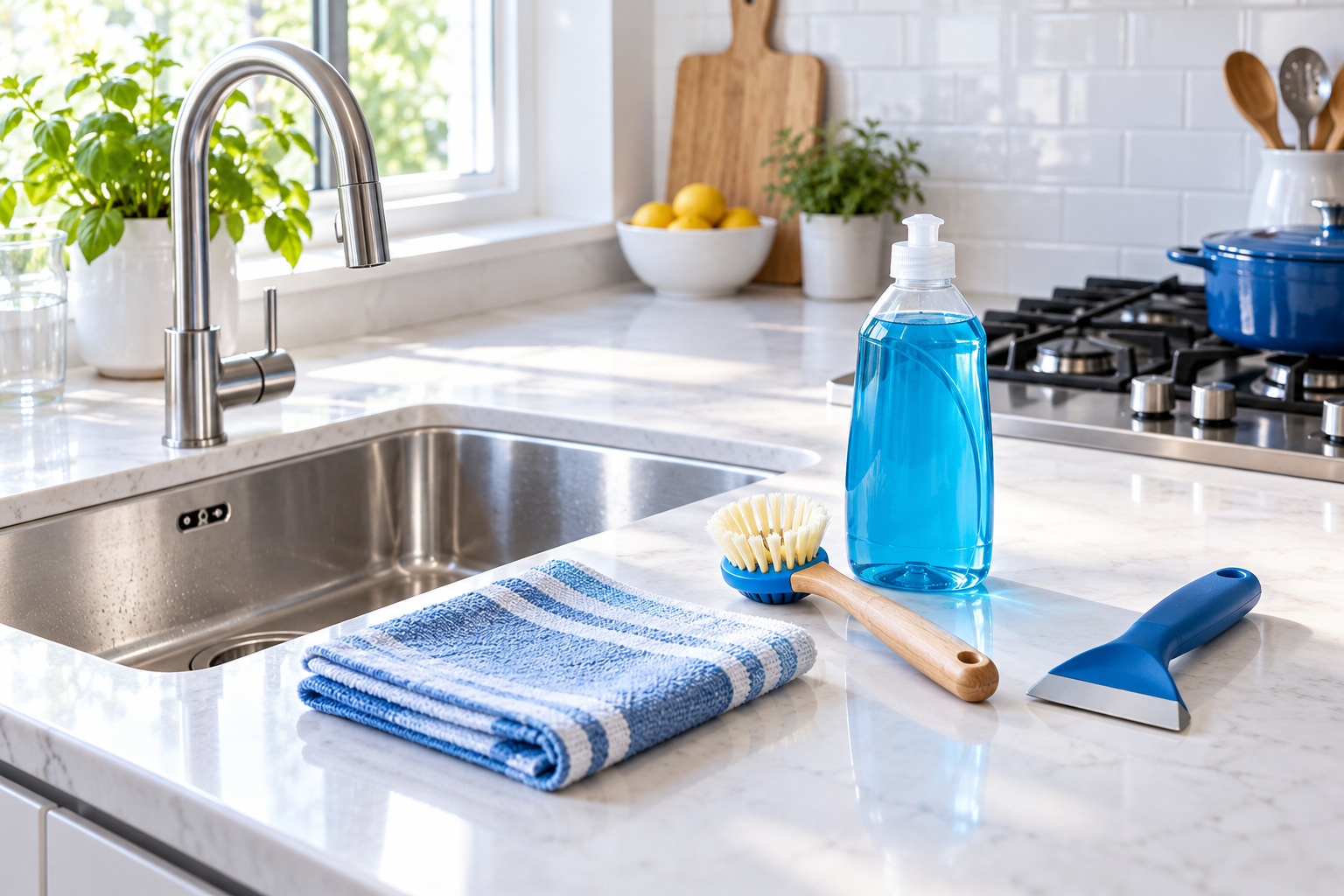
Gather a cooler or insulated bags, ice packs, two clean cloths, warm water, mild dish soap, a soft brush, clean towels, and a rubbish or compost bag. Check your appliance manual before removing shelves, drawers, covers, or drip components.
Keep chilled food cold while you work. FoodSafety.gov advises keeping a refrigerator at 40°F (4°C) or below and refrigerating perishable food promptly. Move meat, dairy, cooked food, and other perishables into a cooler first. Working shelf by shelf keeps most food cold and reduces the time the door stays open.
Never use bleach, abrasive pads, sharp tools, or strongly scented cleaners unless your refrigerator manufacturer specifically allows them. Do not mix cleaning products.

Empty, Sort and Check What You Have
Take food out in small groups. As you go, make three categories: keep, use soon, and discard. Check use-by dates, obvious spoilage, damaged packaging, and leftovers you can no longer identify confidently. Follow local food-safety guidance and package directions; a best-before date is not automatically the same as a safety date.
Put safe but easily forgotten ingredients into a use-first group. Before throwing out sound produce, decide whether it could go into tonight’s dinner, a soup, smoothie, lunchbox, or freezer. Wipe sticky jars and containers before they go back.

Clean Removable Shelves and Drawers Safely
Remove only the parts your manual says are removable. Glass shelves can crack if they move suddenly from very cold to hot water, so let cold glass warm gradually before washing it with warm—not scalding—water and mild dish soap.
Wash one shelf or drawer at a time with a soft cloth or non-scratch sponge. Rinse away soap, then dry every piece completely. For stuck-on spills, rest a warm damp cloth over the spot rather than scraping it.

Wipe the Fridge Interior From Top to Bottom
Brush or wipe loose crumbs first. Use a clean cloth dipped in warm, lightly soapy water and wrung out well. Start with the ceiling and upper walls, move across each shelf support, then work downward so crumbs and drips fall onto areas you have not cleaned yet.
Pay attention to corners, tracks, shelf ledges, and the floor beneath the drawers. Use a second damp cloth to remove soap residue, then dry the interior. Avoid flooding vents, lights, controls, sensors, or drain openings.
If raw meat juices have leaked, follow your appliance instructions and current food-safety advice. Cleaning removes dirt; sanitizing is a separate step and must use a suitable product exactly as its label directs.

Clean the Door Seals, Drip Areas and Exterior
Wipe the door gasket gently with warm soapy water. A soft brush can loosen dirt in the grooves, but avoid stretching, puncturing, or pulling the gasket away from the door. Dry it carefully so the seal can grip properly.
Wipe door shelves, handles, the top edge, and the exterior using the method approved for your finish. Apply cleaner to the cloth rather than spraying it toward controls, hinges, vents, or electrical areas. Only clean coils, drip trays, or rear components if your manual explains safe access.

Reload the Fridge So Food Is Easy to Use
Return dry shelves and drawers, then reload food so it stays visible. Put the use-first basket at eye level, keep leftovers in clear dated containers, group similar jars, and avoid packing shelves so tightly that cold air cannot circulate.
Keep raw meat, poultry, and seafood securely wrapped and separated from ready-to-eat foods, ideally low enough that leaks cannot drip onto other items. Before shopping, take a quick photo of the clean fridge to avoid buying doubles.

A Simple Routine That Keeps the Fridge Cleaner
The easiest deep clean is the one that never becomes enormous. Once a week, preferably before grocery shopping, check leftovers and dates, move food that needs using into one visible basket, wipe one shelf, add usable ingredients to the meal plan, and clean the handle.
This five-minute reset keeps food visible and spreads the cleaning across the month.
- Check leftovers and use-by dates.
- Move use-soon food into one visible basket.
- Wipe one shelf or drawer.
- Add usable ingredients to the meal plan.
- Wipe the handle and any fresh spills.

CLEANERS CLUBHOUSE
Make Kitchen Cleaning Feel More Manageable
Turn Monday into your kitchen reset day with a clear routine you can follow. The Cleaners Clubhouse gives you practical cleaning guidance, printable support and monthly challenges to help you stay consistent.
Fridge Deep-Cleaning FAQs
Do I need to turn the fridge off?
Not always. For a quick shelf-by-shelf clean, many fridges can remain on. For a full empty clean, defrosting, moving the appliance, or cleaning electrical and rear components, follow the exact manufacturer instructions.
Can I use vinegar inside my fridge?
Check your manual first. Mild dish soap and warm water are a practical starting point, but finishes and components vary. Never mix vinegar with bleach or other cleaners.
How often should I deep clean the fridge?
Wipe spills promptly and do a short weekly food check. A deeper clean every few months is realistic for many homes, but clean sooner after leaks, spoiled food, or strong odors.
How do I stop wasting food after the clean?
Keep a small use-first basket at eye level, date leftovers, check the fridge before shopping, and plan one flexible meal each week for ingredients that need using.
A Cleaner Fridge Without the Overwhelm
You do not need a showroom-perfect refrigerator. Protect the cold food, work one section at a time, dry everything properly, and reload it so your family can see what is available. That is enough to cut down on forgotten food and make next week’s reset much quicker.
Source: FoodSafety.gov food-safety guidance. Always follow your refrigerator manufacturer’s manual for removal, cleaning, and electrical safety.