

THIS POST MAY CONTAIN AFFILIATE LINKS. PLEASE READ MY DISCLOSURE FOR MORE INFO.
A spot on a favorite shirt or an unexpected mark on the sheets can turn an ordinary laundry day into a guessing game. The most useful starting point is simple: check whether the fabric is washable, begin with cold water, and keep it away from dryer heat while the stain is still visible.
To remove blood stains from fabric, you usually need a suitable laundry detergent, careful pretreatment, and a check before drying. An older mark may need another round. A silk pillowcase, wool blanket, or dry-clean-only garment needs a different approach from an everyday cotton T-shirt.
This guide covers small, routine household stains on washable clothing and removable bedding. It is a stain-care guide, not a disinfection procedure or advice for significant blood contamination. Deal with the person’s needs first; the laundry can wait.
Disclosure: This post may contain affiliate links. As an Amazon Associate, Clean Home Challenge earns from qualifying purchases. If you make a purchase through these links, we may earn a small commission at no extra cost to you. This helps us keep creating practical cleaning tips, routines and resources for busy families! 🧽
Start With Cold Water
Before reaching for a stain spray, read the fabric’s care label. Look for washing restrictions, temperature limits, bleach instructions, and drying directions. “White” does not automatically mean bleach-safe, and a fabric that feels sturdy may still have a delicate finish or trim.
For a washable item, cold running water is the first step recommended in Tide’s blood-stain guide. Keep the initial treatment cold rather than trying to blast the stain away with hot water. Heat can make blood marks harder to remove.
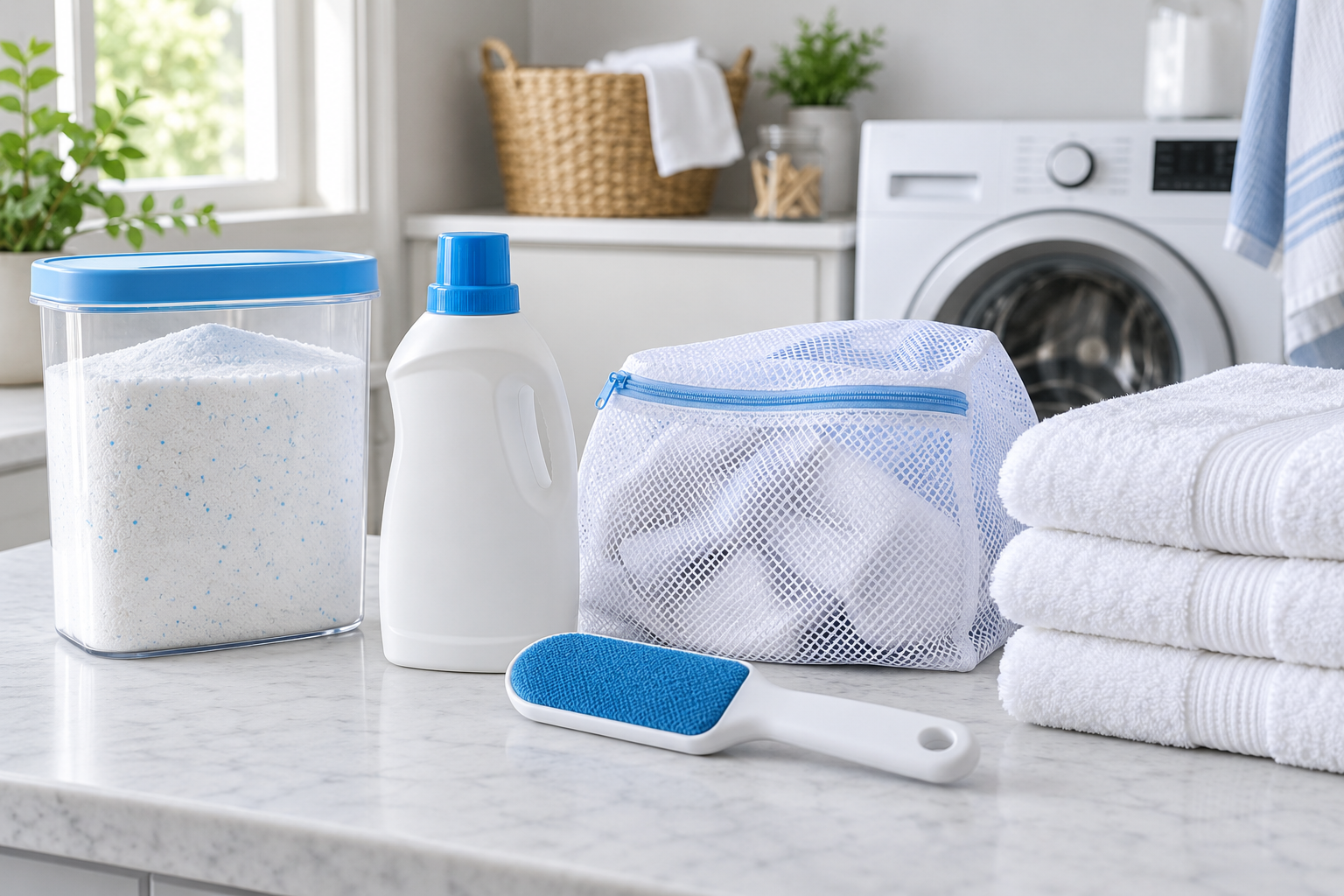
Gather a small, practical kit:
- A clean white cloth or plain paper towels
- Cold tap water
- Liquid laundry detergent or a laundry stain remover suitable for the fabric
- A clean basin, if soaking is allowed
- Disposable gloves for handling blood-soiled fabric
- A timer and somewhere suitable to air-dry the item
Use gloves when handling items soiled with blood, then wash your hands after removing them. HealthLink BC’s blood and body fluid precautions support those basic handling steps. Keep the stained area away from clean laundry, work gently to limit splashes, and avoid spreading products across a busy bathroom counter.
Before using a cleaner, test it somewhere hidden according to its directions. Check for color change or damage before treating the visible area. The University of Georgia Extension’s blood-stain guidance emphasizes both care-label restrictions and pretesting.
A useful way to organize the job is to answer three questions: Is it washable? Is the stain fresh or dry? Is the fabric an everyday washable or a delicate? Those answers matter more than how dramatic the mark looks.
Allow a few minutes for reading labels and getting set up, plus the product’s stated treatment time and a full laundry cycle. These are planning allowances, not promises that every stain will disappear quickly. Avoid starting a soak when you are about to leave the house or go to sleep. A timer makes it easier to follow the label rather than accidentally leaving a garment submerged overnight.

Remove Fresh Blood Stains
Fresh stains are worth tackling promptly when you can. You do not need an elaborate mixture or a collection of specialist products. Start with the simplest compatible method and see how much the water removes before deciding what comes next.
For everyday washable cotton, polyester, or a suitable blend, use this sequence:
- Separate the stained area. Remove the garment or bedding. Place a clean white cloth beneath a small spot if needed to keep it from touching another layer. Do not apply stain treatment to clothing while someone is wearing it.
- Rinse gently with cold water. Let the water pass through the affected area without stretching the fabric or using a forceful spray. Check both sides so you do not overlook a mark that has soaked through.
- Pretreat with a compatible product. Use a liquid laundry detergent that permits pretreatment, or a stain remover labeled for the fabric and stain. Apply the amount and use the waiting time stated on that product.
- Wash according to the labels. For this initial blood-stain treatment, choose a cold wash when compatible with the garment and detergent instructions. Select a suitable cycle and measure the detergent for the load.
- Inspect before drying. Open out the affected area in good light. If a mark remains, keep it out of the dryer and reassess the treatment.
The rinse and pretreatment approach is also described in Ariel’s blood-stain guide, while its tough-stain guidance supports a cold wash for blood. Brand-specific detergent directions are not a universal waiting time for other products. Follow the bottle you are actually using.
For a small spot, keep attention on the area that needs work. There is no practical benefit in treating an entire shirt as though every part is stained. On a fitted sheet, note which corner or panel contains the mark before washing; finding a faint spot again in a large wet sheet can be surprisingly difficult.
If the care label or product warns against rubbing, skip it. Even on ordinary washable fabric, pressure is not a substitute for the right cleaner and wash process. Gentle handling also makes it easier to notice a color change before it becomes a larger problem.
Away from home? If the item is washable, a gentle cold-water rinse is a useful first step. Complete the proper wash when you can. Do not turn a hurried bathroom stop into an experiment with unfamiliar hand cleaners or whatever happens to be beside the sink.

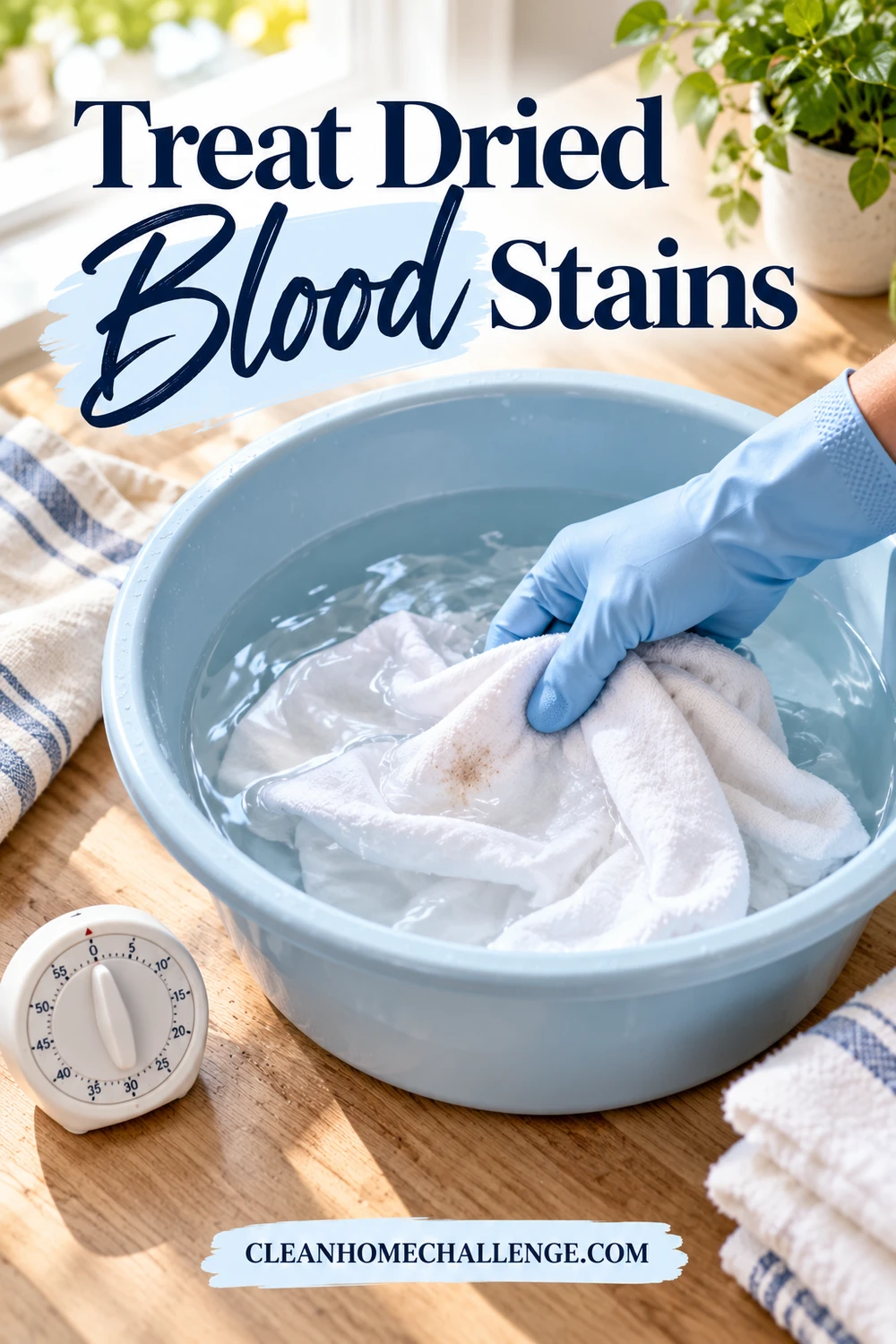
Treat Dried Blood Stains
Finding a dry, brownish mark does not automatically mean the item is ruined. It does mean that you should work patiently and avoid promising yourself a one-wash result. A stain discovered in the laundry basket may need more attention than one caught immediately.
The American Cleaning Institute’s stain-identification advice recommends an enzyme-containing stain remover followed by a cold wash for dried blood. This option is for fabrics the product permits; skip standard enzyme blood-stain treatments on wool, silk, and their blends.
For a sturdy, washable, colorfast item:
- Check its treatment history. Has it already been washed or put through the dryer? Has another cleaner been used? Knowing this prevents you from unknowingly adding a new product over an old one.
- Rewet with cold water. If the care label allows soaking, use a clean basin and cool water to loosen the dried area. Georgia Extension describes a cool-water soak of 30 minutes or longer; start with a short, supervised soak and respect any more restrictive fabric instructions.
- Choose one compatible pretreatment. An enzyme laundry product may help with the remaining protein-based stain. Follow its dilution, application method, and contact time instead of borrowing a recipe from a different product.
- Launder and inspect. Complete the wash, unfold the area, and check the result before using heat. Repeat only if the fabric remains in good condition and the product allows another treatment.
Persil’s enzyme guide explains that protease enzymes target protein-based stains, including blood. That is why a laundry product designed for this type of stain can be more appropriate than simply adding more ordinary detergent. The word “enzyme” alone, however, does not tell you that a product is suitable for every material.
Do not convert a package’s brief pretreatment into an overnight soak. Spray, liquid detergent, and powdered presoak directions are different. Some products must not dry on the fabric, while others permit a specified longer wait. Set a timer for the instructions you actually have.
If the stain has faded substantially, that is useful information. A second careful treatment may be worth trying. If there is no improvement, or the surrounding fabric starts changing color or texture, stop. Taking a pause is better than wearing out the fabric around a stubborn spot.
Protect Delicate and Colored Fabrics
The material determines which methods belong on your shortlist. A cotton sheet and a silk pillowcase may both be bedding, but treating them identically is an easy way to cause avoidable damage.
Cotton and polyester basics: Many everyday items can follow the rinse, pretreat, and wash sequence, but check the whole garment. Prints, decorative trim, linings, and stretch panels may impose restrictions beyond the main fiber listed on the label.
Dark or brightly colored items: Test the actual product before using it on the stain. A cleaner advertised for colors still requires the fabric to be colorfast and compatible. Watch the test area for lightening, dye transfer, or a change in finish. If color changes, do not continue across the visible part of the garment.
White clothing: Check the fiber content before considering any bleach-based option. A white item with elastic, a decorative finish, or a delicate blend is not the same as a plain cotton cleaning cloth. Begin with suitable detergent rather than assuming white fabric needs the strongest treatment available.
Wool and wool blends: Avoid standard enzyme stain removers and use only a product and washing method approved for that item. Woolmark explains that enzymes in ordinary detergents can act on wool’s proteins. Its care guidance recommends a mild, appropriate wool detergent and following the garment’s care instructions.
Silk and silk blends: Skip the general enzyme blood-stain method. Use the manufacturer’s silk-care instructions and a detergent specifically suitable for silk, or ask a professional cleaner. Dedicated delicate formulations are different from everyday stain-fighting detergents; for example, Persil’s silk-and-wool product is formulated without enzymes or bleach. This is an example of a product category, not a reason to substitute its regional dosing directions for a different bottle.
Dry-clean-only and sentimental pieces: Do not soak them. Tell a professional cleaner that the stain is blood and explain any treatment already used. Include details such as water, detergent, or dryer exposure. Accurate information gives the cleaner a better starting point than “I tried a few things.”
When the label is missing, look for the maker’s care information before experimenting. If you cannot establish the fiber or finish, professional advice is a reasonable next step. Saving a favorite garment sometimes means doing less at home.

Wash Sheets and Bedding Safely
Bedding adds a practical challenge: there is more fabric to handle, more chance of missing a second spot, and sometimes more than one material in the same item. Separate the removable layers and check each care label individually.
Start with the sheet or pillowcase that is visibly marked. Fold the stained area inward for carrying rather than dragging it across clean bedding. If the stain reached a protector, inspect that separately. A waterproof backing can have different washing and drying restrictions from the fabric on top.
For washable sheets, pretreat the mark before loading the machine. Whirlpool’s sheet-washing guide recommends treating stains first, distributing sheets evenly, and avoiding too many sheets in one load. Use the washer’s instructions for loading rather than wrapping everything tightly around an agitator or compressing the drum to make it fit.
For the stain-removal wash, select a cold setting compatible with the item and product. Do not assume a preset called “Sheets” automatically uses the temperature you want; check the setting before starting. Once the stain is resolved, use the manufacturer’s directions for ongoing laundering.
A duvet cover is different from a filled comforter. Remove a washable cover and treat that separately. For the insert, pillow, quilt, or blanket, check whether it can be washed at home at all and whether your machine can accommodate it. Whirlpool’s washer-capacity guidance notes that large comforters may require a larger-capacity machine. Forcing a bulky item into a small drum is not a useful shortcut.
After washing, unfold the sheets completely enough to find the treated area. Inspect pillowcases inside and out, including seams where a spot may be easy to miss. If you cannot confidently tell whether a faint mark remains, air-dry according to the care label before deciding on another treatment.
Dry every item completely before making the bed or putting it away. The CDC’s household laundry guidance recommends detergent, the recommended water temperature, complete drying, and handwashing after handling dirty laundry. A cold stain-treatment wash is not a claim that the item has been disinfected. Follow any specific care or public-health instructions that apply to your household.
The mattress itself is a separate cleaning job. Do not pour a laundry presoak into it or use a removable-sheet method on the mattress surface. Check its manufacturer’s instructions and see our separate guide to removing blood stains from a mattress.

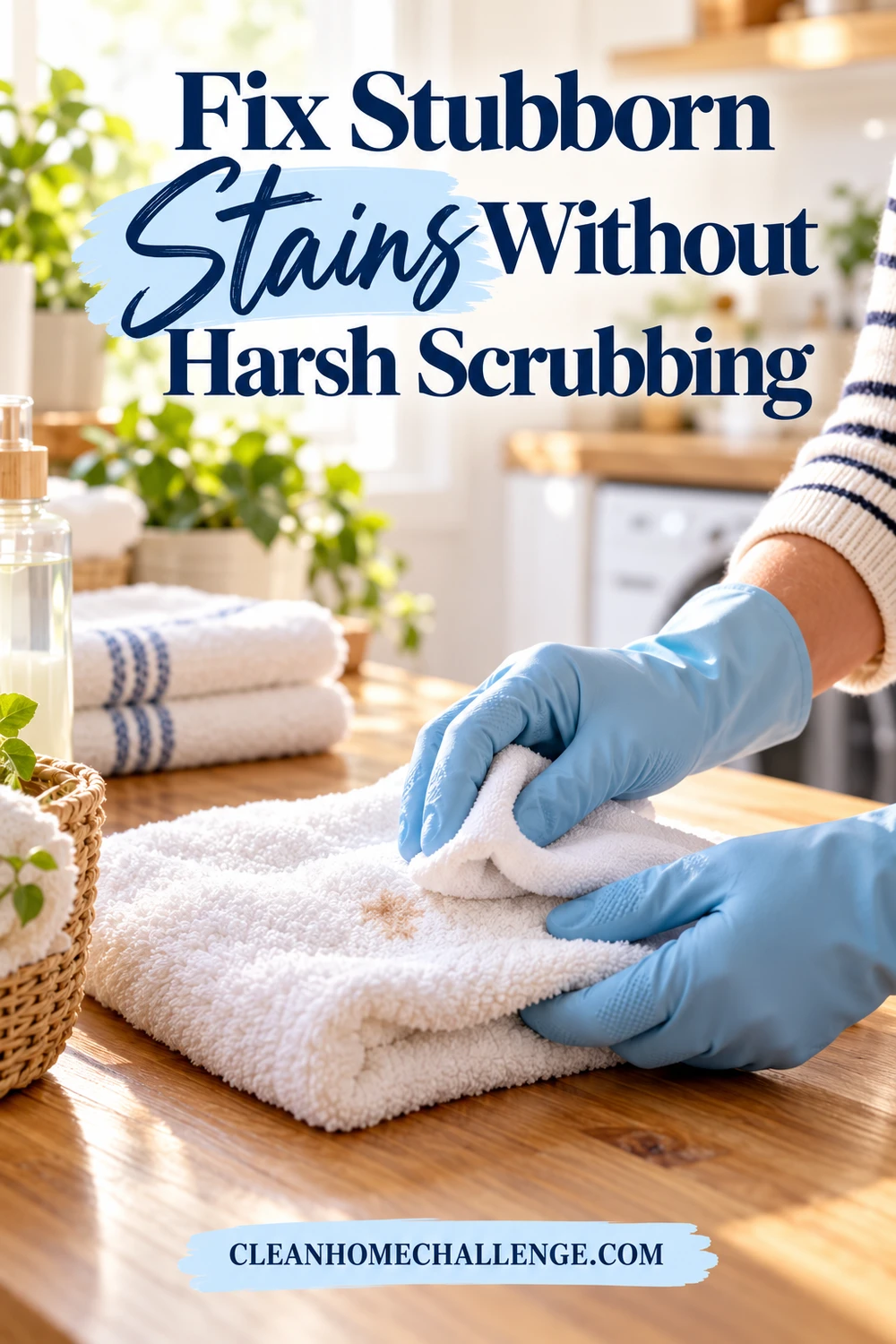
Fix Stubborn Stains Without Harsh Scrubbing
When a mark survives the first wash, pause before increasing the product strength. Check what happened: Was the stain pretreated? Did the product have its stated contact time? Was the load packed tightly? Did the care label rule out the method you tried?
The American Cleaning Institute’s laundry basics advises checking wet laundry for remaining stains and treating again before drying. Build that check into the job rather than moving everything automatically from washer to dryer.
A faint mark remains: If the fabric and color look unchanged, another label-compliant treatment may be reasonable. Work on the remaining spot, not a widening circle around it. Stop if the fabric starts to look worn, fuzzy, distorted, or lighter than the surrounding area.
The item already went through the dryer: Heat exposure can make removal more difficult. You can still assess whether a compatible treatment is worth trying, but do not promise complete removal. For something valuable, ask a cleaner before repeating several home methods.
You are considering oxygen stain remover: Read the exact product’s fabric exclusions and directions first. OxiClean’s manufacturer guidance limits its Versatile product to suitable colorfast fabrics and excludes wool, silk, their blends, and dry-clean-only items. “Oxygen” or “color-safe” is not permission to ignore a care label. Different regional products and formulas can also have different instructions.
You are considering hydrogen peroxide or chlorine bleach: Neither is part of this guide’s basic method. Do not pour a medicine-cabinet product or concentrated bleach onto the fabric as an improvised rescue. Choose a compatible laundry product with instructions for the item, or consult its manufacturer. Do not combine cleaners or layer new treatments over unknown residues. Never mix bleach with vinegar, ammonia, or other cleaning products, as the CDC’s bleach-safety guidance warns.
A stain remover says it brightens fabric: Brightening and stain removal do not establish disinfection. Clorox’s explanation of color-safe bleach makes that distinction for its laundry product. A disappearing mark is an appearance result, not proof of germ removal.
Skip the endless sequence of salt, toothpaste, vinegar, and kitchen pastes. This method does not require them. If careful, compatible treatment has stopped helping, it is reasonable to accept a faint mark on an everyday item or seek professional advice for a special one.
Make Stain Care Easier Next Time
The best routine is one you can manage when you are tired, interrupted, or already behind on laundry. Keep the useful supplies together, but store every product in its original labeled container and out of children’s and pets’ reach. A small kit is easier to use than an overflowing shelf of half-remembered remedies.
For a lower-energy version of the job:
- Check that the item is washable and give the fresh spot a gentle cold-water rinse.
- Choose one compatible treatment and set a timer for its directions.
- Wash when the treatment requires, then leave yourself a clear reminder to inspect before drying.
If you cannot wash immediately, do not add a product that requires a short, timed treatment and then forget it. Keep the soiled item contained away from clean laundry and deal with it promptly. Do not leave an open soaking bucket where children or pets can reach it. For households managing caregiving laundry, HealthLink BC’s practical guidance recommends a lidded container when washing must wait; follow the care instructions relevant to that situation.
A note beside the washer saying “check sheet before drying” can be more useful than buying another stain remover. If someone else transfers loads, tell them which item needs checking. Make the handoff specific enough that they do not need to unfold every piece of laundry to guess.
During your regular laundry catch-up, look over pillowcases, cuffs, and sheets before loading. Keep spare bedding together so changing the bed does not depend on finishing the stained load that evening. If you use a mattress protector, save its washing instructions somewhere easy to find.
Blood stains are an ordinary laundry problem, not a measure of how well you run your home. Start gently, match the method to the fabric, and check the result before using heat. One careful step at a time is enough to make the job manageable.


CLEANERS CLUBHOUSE
Make Laundry Catch-Up Feel More Manageable
Use Saturday to catch up without letting laundry take over the whole weekend. Inside the Cleaners Clubhouse, practical routines and printable support help you keep washing, folding and household jobs moving.