
THIS POST MAY CONTAIN AFFILIATE LINKS. PLEASE READ MY DISCLOSURE FOR MORE INFO.
A holiday can leave suitcases, extra laundry, and an empty fridge behind. An illness can leave the same house feeling even harder to manage, especially when you are still tired. You do not have to catch up on every missed chore before your home feels workable again. Start with the tasks that help you eat, wash, sleep, and move through the house comfortably, then rebuild your usual rhythm in small pieces.
This is a flexible restart, not a timed challenge. If you are recovering, follow your clinician’s advice and ask someone else to handle cleaning that exceeds your energy. The American Cleaning Institute’s home routine groups chores into daily, weekly, and less frequent work; you can use that same idea to decide what matters today and what can wait.
Disclosure: This post may contain affiliate links. As an Amazon Associate, Clean Home Challenge earns from qualifying purchases. If you make a purchase through these links, we may earn a small commission at no extra cost to you. This helps us keep creating practical cleaning tips, routines and resources for busy families! 🧽
Start With a Five-Minute Reset, Not the Whole House
Walk through the rooms you use most and name three things that would make today easier. Perhaps it is an empty sink, a clear path from the bed to the bathroom, and a load of needed clothes. Write those down. Put everything else on a later list so it stops competing for your attention.

Take a trash bag and collect obvious waste from those rooms. Then return dishes to the kitchen and put loose laundry in one basket. This is a quick sort, not a deep clean. If you are still unwell or tired, do one of those actions and stop. A clear path and a usable counter are real progress.
Set a timer only if it helps you begin; it is fine to stop before it rings. Work from the doorway toward the surface you use most, so you can see the benefit without moving every object in the room. Put items that belong elsewhere in a single basket and return them later. This keeps a five-minute reset from turning into an exhausting tour of the house.
Make the Kitchen Usable First
The kitchen is often the best place to restart because it supports the next meal. Remove old food from the counter and check the fridge for anything spoiled. Wash or load the dishes you need for the next day. Wipe the food-preparation surface with a product suitable for that surface, following its label. Take out the trash if it is full or smells.

Leave cupboard interiors and appliance deep cleaning for later. If you are returning from a trip, unpack only the food, medicine, and daily-use items first. A ten-minute kitchen reset can be enough to make tomorrow morning easier.
If several people share the space, split the result rather than issuing a vague instruction to “clean the kitchen.” One person can empty the dishwasher, another can clear the table, and a third can check the trash. Decide where dinner prep will happen and clear that patch first. There is no need to polish every counter before cooking can resume.
Catch Up on Laundry Without Creating Another Pile
Sort laundry into urgent and later loads. Urgent might mean underwear, school or work clothes, and towels. Start one load that you can finish completely: wash, dry, and put away. If you cannot finish a load today, choose a smaller one or let another household member own the drying and folding.

Check garment care labels and detergent directions. Wash any visibly soiled bedding or towels as appropriate for the fabric. Avoid stripping every bed on the same day unless someone can help remake them. The goal is to restore enough clean linens and clothes for the next few days.
To prevent a new backlog, give the finished load a destination before starting the washer. Clear a small folding spot, make sure hangers are available, or ask someone to put their own clothes away. If the dryer finishes when you need to rest, leave a reminder rather than starting another load. One completed cycle is more useful than three wet or unfolded ones.
Clean the Bathroom Areas You Need Today
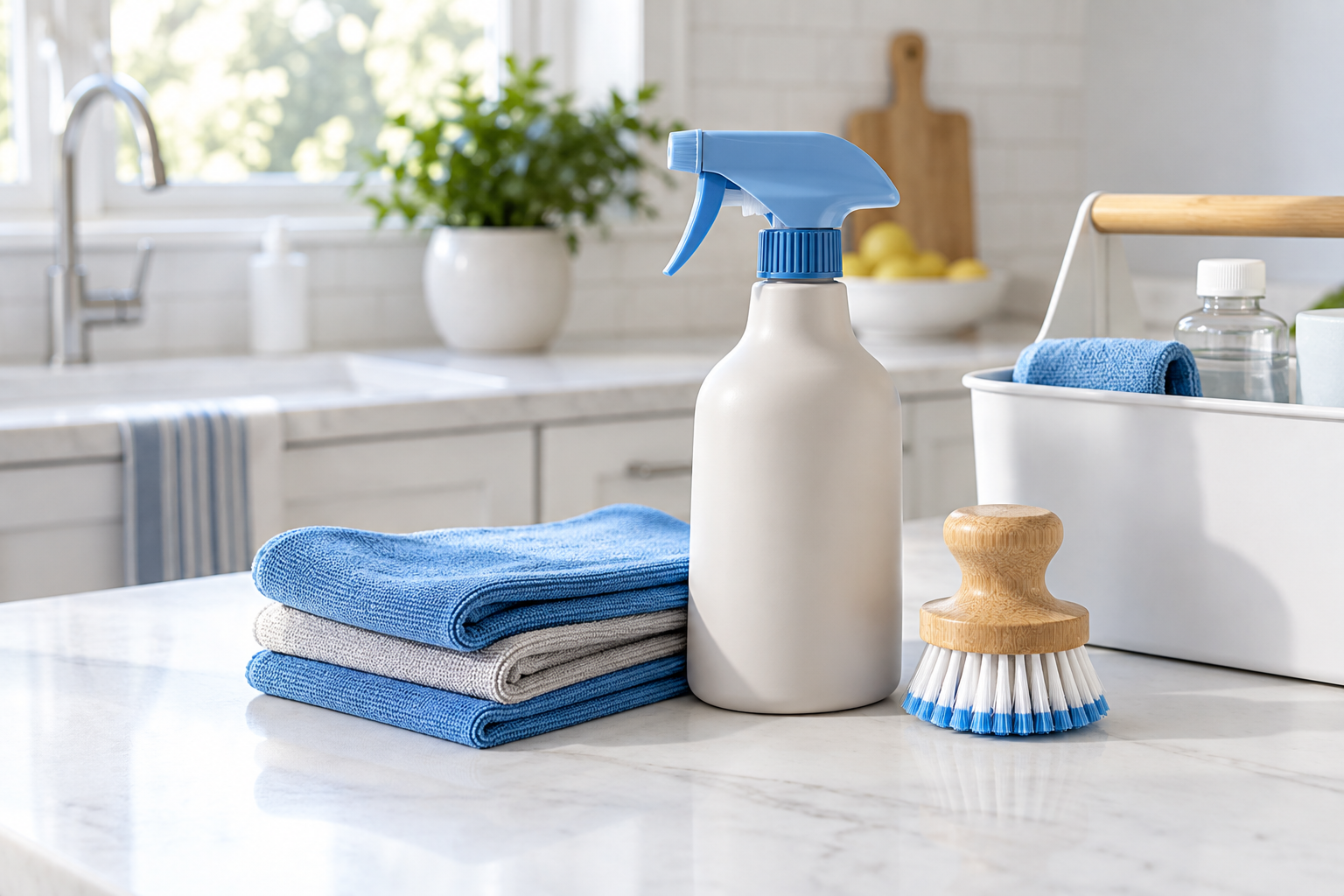
Clear the sink, wipe the faucet and counter, and clean the toilet if needed. Restock toilet paper, soap, and a clean hand towel. If the bathroom is safe and usable, save grout, cabinets, and shower doors for another session.

After an illness, give attention to frequently touched surfaces such as handles, switches, and faucets. The CDC says routine cleaning is usually enough in ordinary circumstances, while disinfection is appropriate when someone is sick or at higher risk. Clean visible soil first, use a disinfectant suitable for the surface when warranted, and follow the label’s contact time and safety directions. Never mix cleaning chemicals.
Use a fresh cloth for the bathroom rather than the one used on kitchen counters. Put used cloths in the laundry when finished and wash your hands. When someone is still ill, avoid sending them back into the room to help; a healthy household member can handle the essential surfaces while they recover.
Choose a Gentle Three-Day Comeback Plan
Use the first day for essentials: dishes, trash, a safe walkway, and one needed laundry load. On day two, restore the bathroom and bedrooms that people use most. On day three, vacuum or mop high-traffic floors and handle one remaining backlog task. Move a task to another day whenever your energy or schedule requires it.

Write each day’s work on a separate line and cap it at two or three useful outcomes. If the first day ends with clear dishes and trash removed but no laundry, carry the load forward; do not add it on top of an already full second day. On a difficult day, the plan can shrink to one task that directly supports eating, bathing, or getting dressed.
If you are recovering from illness, do less than you think you can manage at once and plan breaks. Cambridge University Hospitals’ recovery guidance recommends breaking household tasks into sections, spreading them across days, resting, and delegating where possible. Their page addresses recovery after COVID-19 hospitalization; the practical pacing idea can inform a gentle household plan, but it is not a substitute for individual medical advice.
Bring Back One Daily Habit at a Time
Once the essentials are stable, choose one small daily anchor. It could be loading dishes after dinner, clearing the kitchen counter before bed, making the bed, or a five-minute pickup. Attach it to something already happening, such as finishing breakfast or turning off the kitchen lights. Keep it small enough to repeat on a difficult day.

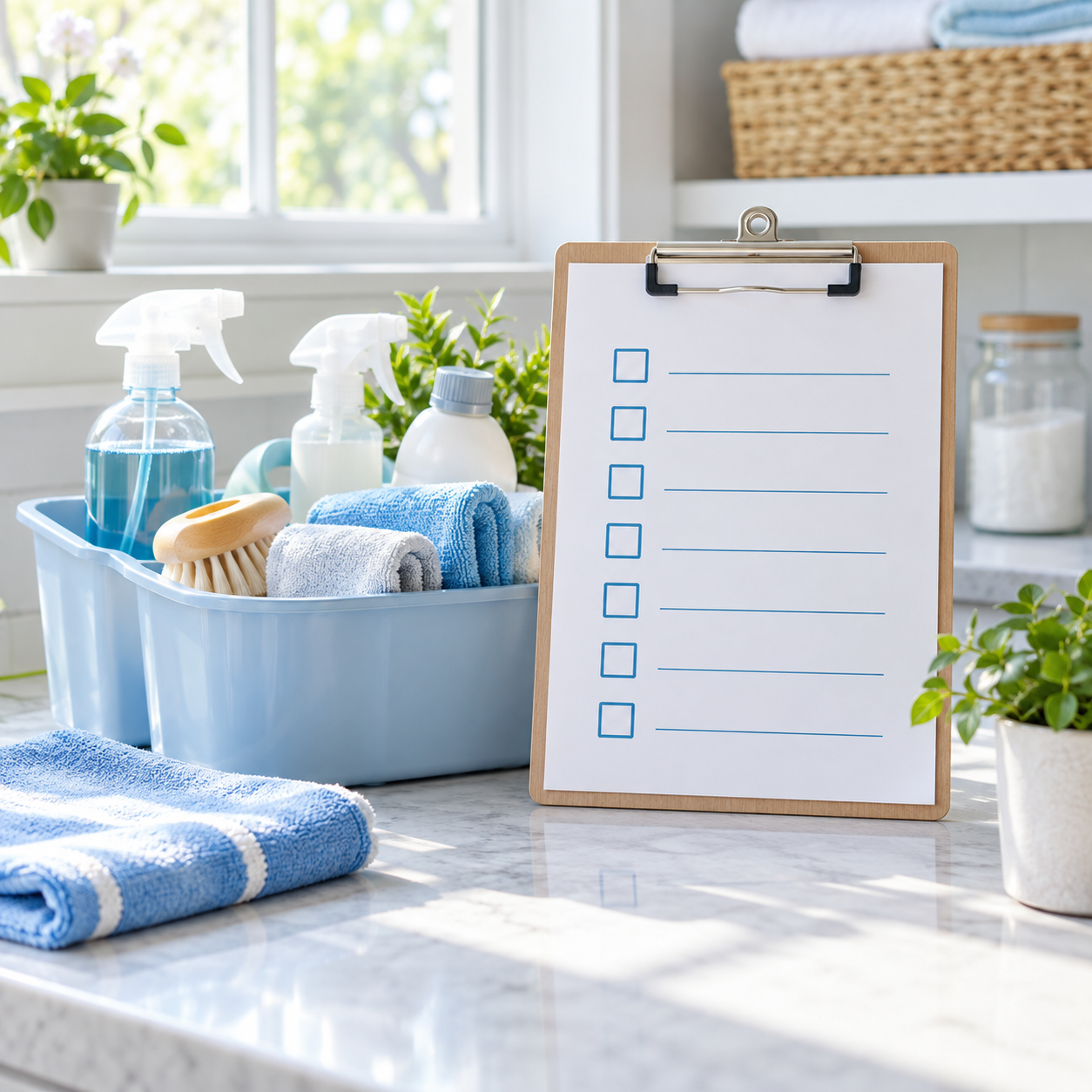
Make the anchor visible. Leave the dish brush by the sink, a laundry basket where clothes are dropped, or a short checklist inside a cupboard door. If you miss a day, restart at the next natural cue instead of treating the habit as broken. The point is to reduce decisions, not to keep a perfect streak.
After that habit feels workable, add another. ACI suggests daily tasks such as wiping kitchen surfaces, putting away clutter, spot cleaning, and doing laundry when needed. You can adjust the list to your household rather than copying a schedule that assumes unlimited time.
CLEANERS CLUBHOUSE
Make Your Cleaning Routine Easier to Follow
Stop wondering what to clean next. Inside the Cleaners Clubhouse, you’ll get a practical 12-month cleaning calendar, printable worksheets and monthly challenges to help you keep moving without trying to do everything at once.
Restart Your Weekly Cleaning Areas
Return to a weekly area only after the daily basics are manageable. A simple CHC rhythm is kitchen on Monday, bathrooms on Tuesday, bedrooms on Wednesday, living areas on Thursday, floors on Friday, and laundry catch-up on Saturday. Treat those as prompts, not deadlines. If Tuesday is missed, clean the bathroom at the next useful opportunity; there is no need to double Wednesday’s work.

Give each area a short baseline: wipe the surfaces you use, remove visible debris, and reset supplies. Schedule deeper work separately. Keep a small caddy with your usual tools so you do not spend your limited time hunting for them. Give other household members clear, age-appropriate jobs with a defined finish, such as putting shoes away or emptying a trash bin.
Make Your Routine Flexible for Next Time
Write two versions of your routine: a normal week and a low-energy week. The low-energy version may be as simple as food-safe counters, dishes needed for meals, trash, clean clothes, and bathroom basics. That is a maintenance plan, not a failure. It gives you an easy way back after travel, a busy work period, or a sick week.

Keep a separate list of deferred deep-cleaning jobs. Review it once a week and choose one only if there is time. If fatigue continues or daily tasks remain difficult after an illness, ask a health professional for advice and let your household or support network take on more of the work.
A Fresh Start Is a Usable Home
The first goal is not to erase every sign that life happened. It is to make the next meal, shower, bedtime, and school or work morning easier. Pick one essential task, finish it, and stop or take a break. When that small reset holds, add the next habit. Your routine can grow with your energy instead of demanding it all at once.

Quick answers
What should I clean first after a holiday? Start with spoiled food, dishes needed for meals, trash, and one load of essential clothes. Then tackle bathrooms and high-traffic floors.
Do I need to disinfect the whole house after someone has been sick? Usually no. Follow current public-health guidance for the illness and focus on relevant high-touch surfaces, cleaning first and using an appropriate disinfectant according to its label when warranted.
What if I still cannot keep up after illness? Reduce the plan to essentials, rest between tasks, delegate what you can, and seek medical advice if fatigue or other symptoms persist.