
THIS POST MAY CONTAIN AFFILIATE LINKS. PLEASE READ MY DISCLOSURE FOR MORE INFO.
Fresh linens make a home feel calmer, but washing every sheet and towel constantly is not realistic for most families. The useful question is not, “What would a perfect home do?” It is, “What rhythm keeps these items fresh without creating an endless laundry pile?”
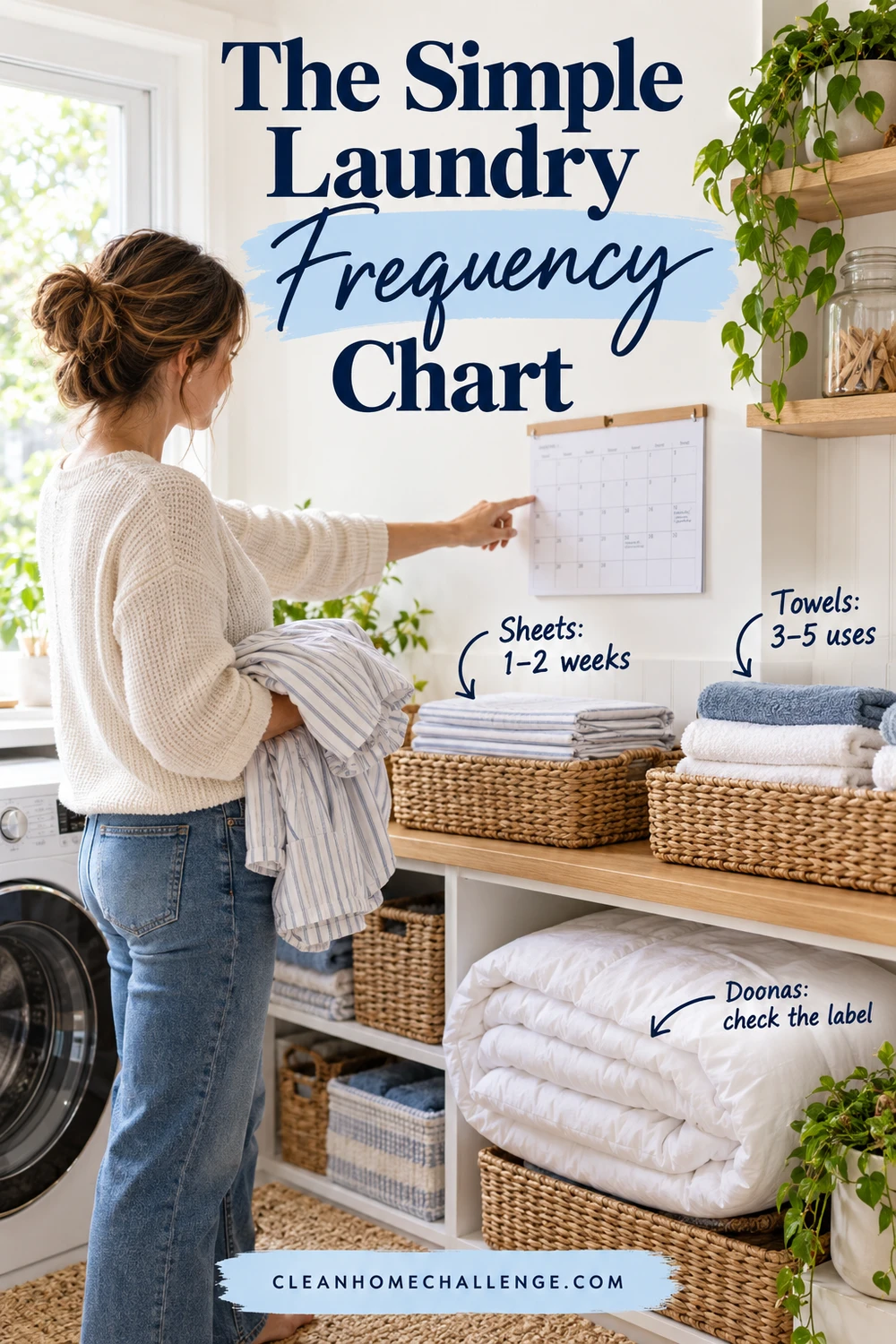
For many households, a workable baseline is to wash sheets every one to two weeks, bath towels after three to five normal uses, hand towels every few days, doona or duvet covers every two to four weeks, and the bulky insert every few months or whenever its care label, odor, soil or a spill says it is time. Those are starting points rather than rigid hygiene rules.
The American Cleaning Institute (ACI) advises washing bed sheets every two weeks, or more often for people who sweat heavily at night, and washing bath towels after three to five normal uses while hanging them to dry between uses. Allergy guidance can be stricter: the Asthma and Allergy Foundation of America recommends weekly hot-water washing for sheets, pillowcases and blankets when controlling dust mites, provided the fabric label allows it.
This guide turns that advice into a realistic family schedule. In Australia, “doona” usually means the filled insert; US readers may know the same item as a comforter or duvet insert. Whatever you call it, always let its care label, fill material and machine capacity overrule a general timetable.
Disclosure: This post may contain affiliate links. As an Amazon Associate, Clean Home Challenge earns from qualifying purchases. If you make a purchase through these links, we may earn a small commission at no extra cost to you. This helps us keep creating practical cleaning tips, routines and resources for busy families! 🧽
The Simple Laundry Frequency Chart
Use this chart as your normal routine, then move an item forward when it becomes damp, visibly dirty, stained, smelly or affected by illness.
| Item | Realistic baseline | Wash sooner when |
|---|---|---|
| Sheets and pillowcases | Every 1–2 weeks | Night sweats, oily skin or hair, pets on the bed, illness, drool or spills |
| Bath towels | After 3–5 normal uses | The towel stays damp, smells musty, is shared, or was used after heavy sweating |
| Hand towels | Every 2–3 days | Many people use one towel, it stays damp, or someone is sick |
| Face washcloths | After each use | Always start with a clean cloth for the face |
| Doona or duvet cover | Every 2–4 weeks | It touches skin directly, pets sleep on it, or there is a spill |
| Doona, duvet insert or comforter | About every 3–6 months, if the label permits | It has no cover, is visibly soiled, smells, or a spill reaches the filling |
| Blankets and bedspreads | About monthly when used regularly | They touch skin, collect pet hair, or are used during illness |
If this feels like too much, start with the items touching skin most closely: pillowcases, sheets, washcloths and towels. A clean cover also protects a bulky insert, so you can wash the cover more often and the insert less often.
How Often to Wash Sheets and Pillowcases
For a typical bed, every one to two weeks is a sensible routine. Weekly washing suits hot sleepers, people who use skincare or hair products at night, anyone who sleeps without pajamas, and beds shared with pets or young children. If the bed stays cool and dry, pajamas are worn and pets stay off, a two-week interval can still be reasonable.
Pillowcases often need attention before the fitted sheet. They collect facial oil, hair products, saliva and sweat in a concentrated area. Keep two spare pillowcase pairs in the linen closet so you can change them midweek without stripping the entire bed.
For dust-mite allergy management, follow the plan from your clinician or allergy organization rather than a general household schedule. AAFA recommends washing sheets, pillowcases and blankets weekly in water at 130°F or hotter to kill and remove dust mites. However, not every textile can tolerate that temperature. Check the care label and use allergen-barrier covers or other clinician-recommended measures when hot washing would damage the fabric.
Strip one bed at a time. Put the fresh set on before beginning the next room so clean beds do not become an unfinished job at bedtime.

How Often to Wash Bath Towels and Hand Towels
Bath towels can usually be washed after three to five normal uses when each person has their own towel and it dries fully between showers. Hang towels spread open on a rail, not folded over themselves or bunched on a hook. If the bathroom is humid and the towel is still damp at the next use, wash it sooner.
Hand towels work harder because several people may use them throughout the day. Changing them every two or three days is a practical starting point for a family bathroom. Replace them daily during illness, after a messy cleanup or whenever they feel damp or smell stale.
Use a fresh face washcloth each time. Keep a small basket of clean cloths beside the sink and a separate ventilated container for used ones. Gym towels, pool towels and towels used for cleaning should also be washed after each use and kept separate from everyday bath linens.
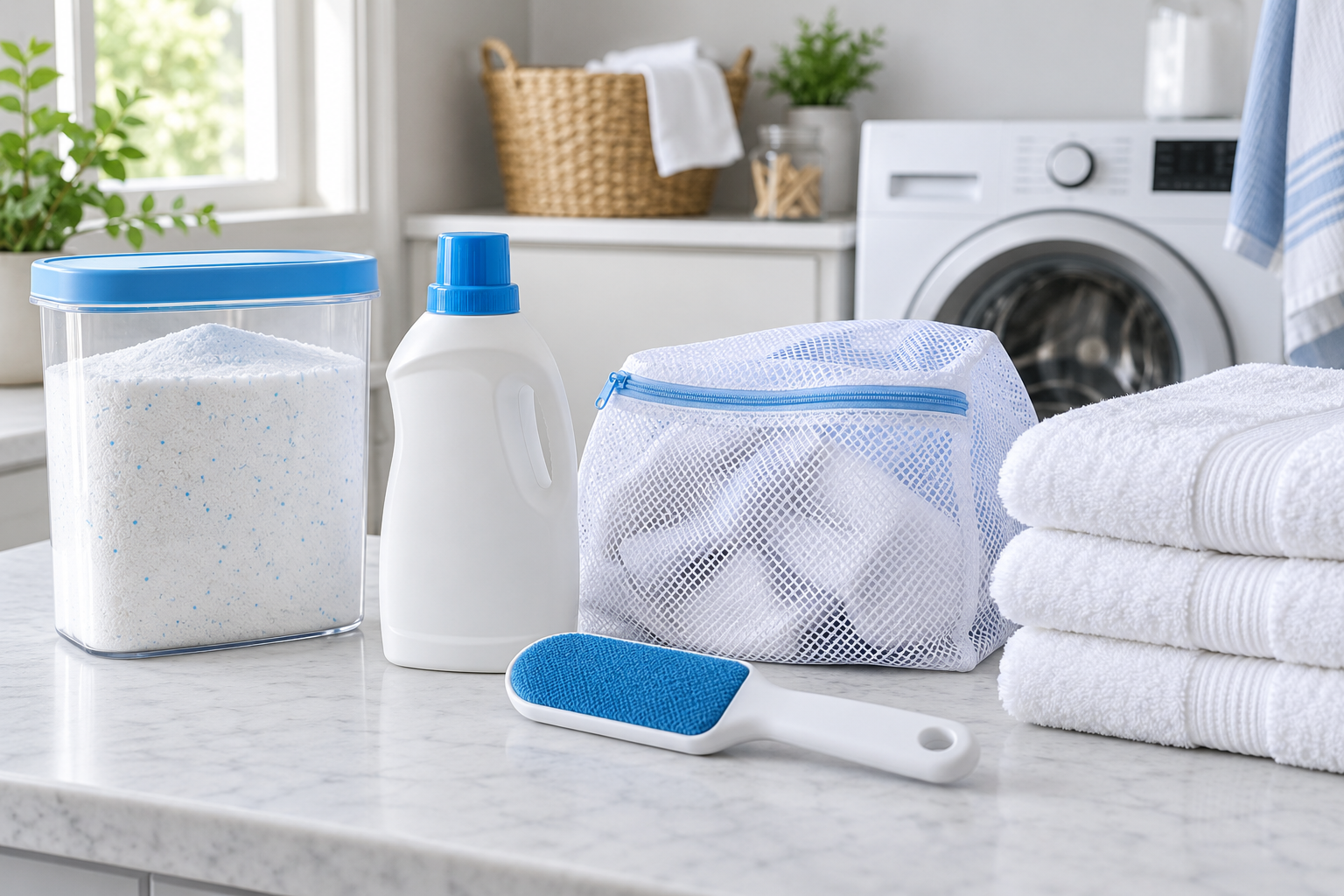
Skip the temptation to hide an odor with extra fragrance or fabric softener. Too much product can leave residue and reduce towel absorbency. Measure detergent for the load and water conditions, give towels room to move, and dry them completely before folding.

How Often to Wash Doonas, Duvets and Comforters
A removable cover is the simplest way to protect a bulky doona or duvet insert. Wash the cover every two to four weeks, or on the same rhythm as your sheets when it touches the body directly. Wash it sooner after a spill, illness or pet accident.
The filled insert normally needs less frequent washing. For a covered insert in regular use, every three to six months is a workable household reminder, but the care label is the real rule. Down, feather, wool, silk, weighted and specialty-filled bedding may require a large machine, a gentle process, professional cleaning or spot treatment only. Never assume that a “bedding” cycle is safe for every filling.
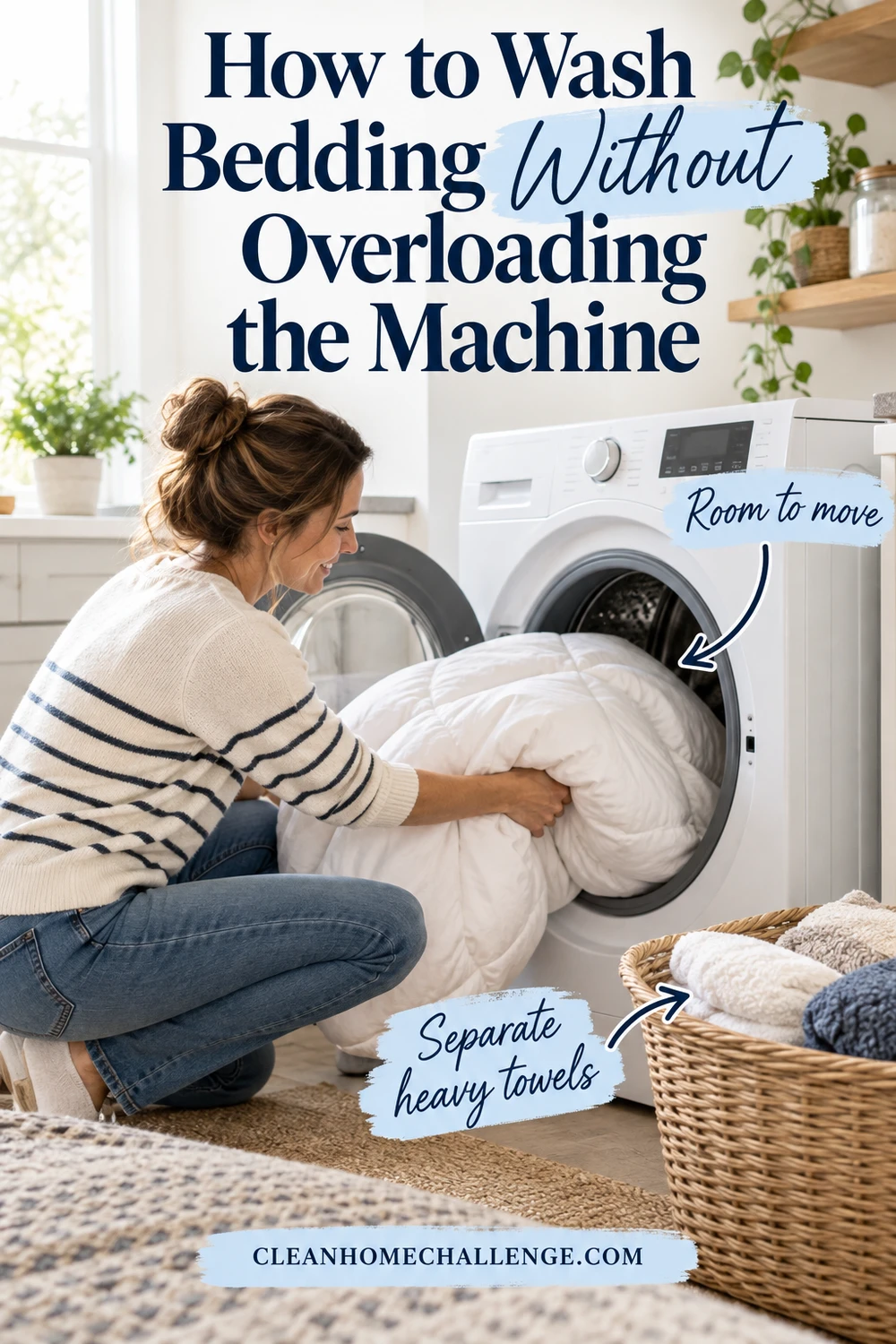
If the insert is too large to move freely in your washer, take it to a laundromat with a suitably sized machine or use a professional service. Forcing it into a small drum can prevent proper washing, strain the machine and leave detergent trapped in the filling.
Between washes, air the bedding on a dry day, use a washable cover and treat small spills promptly according to the label. Do not store a thick insert until every layer is completely dry.

Wash More Often in These Situations
A calendar is helpful, but the condition of the fabric matters more than the date. Bring the next wash forward when:
- someone has been unwell, especially if bedding or towels are soiled;
- a child has a nighttime accident or spills a drink;
- pets sleep on the bed or leave hair, dirt or moisture;
- someone sweats heavily or sleeps in a hot room;
- a towel is shared or used after sport;
- damp weather stops linens drying between uses;
- makeup, skincare, hair products or body oils build up quickly; or
- an item smells musty, feels greasy or has visible soil.
When laundering after illness, avoid shaking dirty linens, wash with detergent on the warmest setting the care label permits, and dry items completely. Household laundry does not automatically need disinfectant. If a health professional or product label calls for sanitizing, follow the exact directions and confirm the product is suitable for the textile.
Handle heavily soiled items with care, wash your hands afterward, and keep laundry products locked away from children and pets.

How to Wash Bedding Without Overloading the Machine
Bulky does not always mean heavy when dry, but bedding absorbs water and needs space to lift, drop and rinse. Check both the textile care label and your washer manual before loading a doona, comforter or large blanket.
- Inspect and repair. Mend small tears so filling cannot escape. Pretreat stains with a label-safe product and test colorfastness when needed.
- Sort by fabric and weight. Wash sheets with similar lightweight linens. Wash heavy towels separately so they do not roughen or twist sheets.
- Leave room to move. Do not pack a comforter tightly into the drum. If it cannot move loosely when dry, use a larger machine.
- Measure detergent. More is not better. Too much can leave residue, especially in dense filling and high-efficiency machines.
- Choose the label-safe cycle. Use the recommended water temperature, agitation and spin speed. Do not add chlorine bleach unless both the textile label and product instructions allow it.
- Check the rinse. If an allowed bulky item still feels slick or sudsy, an extra rinse may help, but do not use that to justify overloading.
Wash new dark or strongly colored linens separately until you know they are colorfast. Keep loose ties, buttons and duvet-cover closures secured to reduce tangling.
How to Dry Thick Bedding and Towels Completely
Drying is part of the cleaning job. Thick folds can feel warm on the outside while the center remains damp. Follow the care label and choose one of these methods:
- Tumble dry on the permitted heat setting, pausing to redistribute the filling so wet areas are exposed.
- Use dryer balls only when the textile and appliance guidance allow them; they can help separate some fillings but do not replace adequate drying time.
- Line dry or use a sturdy rack when recommended, spreading the item across several rails and turning it so both sides receive airflow.
- Combine permitted low-heat drying with air drying for bulky items that need extra time.
Check seams, corners and the thickest center section before making the bed or storing the item. If any part feels cool or damp, keep drying. Store linens in a clean, dry, ventilated cupboard rather than sealed away with residual moisture.
Clean the dryer lint filter after each load and make sure large items are not blocking airflow. Towels should also be completely dry before folding; a slightly damp stack can develop a musty smell quickly.

Make the Schedule Easier to Keep
The best laundry schedule is one your household can repeat. Keep two sheet sets per frequently used bed, bundle each fitted sheet with its matching top sheet and pillowcases, and label shelves by bed rather than by size. Give each person a towel color or designated rail so towels are not accidentally shared.
Use Saturday as a catch-up point, not an all-day laundry marathon:
- Strip one or two beds first thing.
- Start the sheet load while breakfast is happening.
- Wash towels as a separate load.
- Remake beds as soon as sheets are dry.
- Check the monthly reminder for mattress protectors, blankets and doona covers.
- Schedule bulky inserts for a season change or another day when you have enough drying time.
Missed the planned day? Change the items that are damp, smelly or touching skin most closely and move the rest to the next available load. A flexible routine that keeps moving is more useful than a perfect chart that creates guilt.


CLEANERS CLUBHOUSE
Make Laundry Catch-Up Feel More Manageable
Use Saturday to catch up without letting laundry take over the whole weekend. Inside the Cleaners Clubhouse, practical routines and printable support help you keep washing, folding and household jobs moving.
Trusted Sources
- American Cleaning Institute, “Laundry Basics,” updated March 10, 2026: https://www.cleaninginstitute.org/cleaning-tips/clothes/laundry-basics
- Asthma and Allergy Foundation of America, bedroom allergen guidance: https://community.aafa.org/blog/are-you-controlling-allergens-in-your-bedroom
- Asthma & Allergy Friendly Certification Program, bedding guidance: https://asthmaandallergyfriendly.com/USA/certified_products/products_categories/bedding/