
THIS POST MAY CONTAIN AFFILIATE LINKS. PLEASE READ MY DISCLOSURE FOR MORE INFO.
You listed the outgrown clothes, spare lamp, or unused kitchen pieces because selling them seemed like a sensible last step. Now the listings are quiet, the messages keep trailing off, and the same items are still taking up the hallway. The problem has shifted: you are no longer deciding what to declutter. You are managing a collection of unfinished sales.
To close a stalled online-selling pile, give each already-listed item one review date, choose its next action, and arrange its actual exit. Reprice or bundle items worth another short attempt; donate suitable things that are no longer worth your time; withdraw anything you genuinely want to keep or that needs a different disposal route. Finish by updating the listings and clearing the storage space.
You do not have to get the highest possible price for every possession to make a useful decision. Your time, floor space, and ability to clean around the pile count too. Start with one small group today rather than turning the entire house into another sorting project.
Disclosure: This post may contain affiliate links. As an Amazon Associate, Clean Home Challenge earns from qualifying purchases. If you make a purchase through these links, we may earn a small commission at no extra cost to you. This helps us keep creating practical cleaning tips, routines and resources for busy families! 🧽
Give Every Listed Item a Review Date

Set aside a manageable block of time, perhaps 15 to 20 minutes, and gather the items that are already advertised. Leave the unlisted decluttering pile for another session. Combining both jobs makes it surprisingly easy to spend the afternoon taking new photos while the old listings remain unresolved.
Choose a clear surface, one existing box or basket, a pen, and access to your listings. You do not need a new storage system. Keep walkways and exits clear while you work, and ask the owner before changing plans for shared belongings or another family member’s things.
Match the physical item to the listing
Work through a few possessions at a time. For each one, note its listing location, current price, date first listed if known, and any buyer commitment. Check whether it is advertised in more than one place. A sweater on two platforms is still one item, with two records to close when it leaves.
Confirm that the item is actually available and matches its description. Are the accessories still with it? Has anything been damaged while it waited? Does the photo show the real condition? If an item has sold, is reserved, has an active bid, or is subject to an outstanding transaction, deal with that obligation under the platform’s rules before treating it as freely available to donate.
For ordinary household goods, remove dust or loose debris only with a method suited to the material. Follow care labels and manufacturer instructions before washing, treating, or polishing anything. An ambitious cleaning or repair project can become another reason an unwanted item never leaves.
Pick a date and a fallback together
Write down a specific date you will review the listing again, alongside what happens if there is no completed sale. For example: “Review next Sunday; if unsold, remove the listing and take it to the donation center on Monday, subject to acceptance.” The useful part is the complete plan, rather than a universal number of days.
A week might suit everyday possessions when you already have a donation trip planned. A specialist or seasonal item may justify a different window if you have the space and want to do the work. These are household planning choices, not promises about how quickly something will sell. Do not let an upcoming review deadline override an existing buyer agreement or auction rule.
Separate “someone asked about it” from “someone arranged the next step.” Views, likes, and vague messages can tell you there is interest, but they do not clear the shelf. Keep a note of genuine collection arrangements so you can review them fairly without repeatedly restarting the whole waiting period.
Make the review small enough to finish
If the pile feels overwhelming, choose three items or the contents of one bag. Record the next action for those items, then stop. A small batch with a real exit is more useful than an evening spent rearranging every unsold possession.
Use the free selling-pile review sheet to record the item, listing, next action, review date, and exit plan. Keep personal buyer details in the platform rather than on a household sheet left in view.
Choose Reprice, Bundle, Donate, or Withdraw

At the review point, make one deliberate choice for each item. Avoid defaulting to another identical relisting simply because that is the easiest button to press. You are deciding whether the likely benefit of another attempt fits your available time and space.
Reprice when another attempt has a clear purpose
Check comparable completed sales where your marketplace provides them, rather than relying only on other sellers’ asking prices. Compare condition, size, included parts, and collection or shipping arrangements. A high asking price on an unsold listing does not establish what your item will bring.
Estimate what you would keep after applicable fees, packaging, shipping costs, and any other costs you will cover. There is no need for a complicated profit spreadsheet for a spare household item. Ask a practical question: would you still choose the remaining work for the likely return? Consider how much time you have already spent, but do not let that sunk effort force you into spending more.
If the answer is yes, change something useful: a realistic price, clearer dimensions, an honest condition photo, or a missing detail. Do not hide defects or claim a product is unused when it is not. Set the next review date before putting the item back in its selling space.
Bundle things a buyer could actually use together
Related items can sometimes be easier to manage as one lot: a few same-size clothing pieces, a matching set of ordinary household accessories, or books with a common audience. Make the contents, quantities, condition, and total price clear. Avoid adding damaged or irrelevant extras just to make the bag look fuller.
Before creating a bundle, reconcile the individual listings. Do not leave the same possessions available in conflicting listings or interfere with existing bids or purchases. Follow the marketplace’s current editing and ending rules. Photograph the actual bundle and keep its contents together so you are not hunting for pieces when someone comes to collect it.
Donate when selling has stopped being worthwhile
Donating a usable item can be a reasonable endpoint even if you originally hoped to recover more money. Check the recipient’s current acceptance rules and opening hours first. Different organizations and locations accept different goods, and acceptance can change with condition, capacity, or demand.
Offer only items the recipient agrees to take, in the condition they require. Do not pass on unsafe, recalled, badly damaged, or unhygienic goods as someone else’s problem. Check the relevant product-safety authority’s recall information when appropriate, particularly for children’s products and electrical items. If a product is recalled, follow the specific recall instructions rather than selling or donating it.
For things a donation center will not accept, look for a suitable local repair, recycling, or disposal route. Batteries, chemicals, medicines, and other hazardous materials need their applicable collection guidance. Do not assume that “free” makes an unsafe product suitable to give away.
Withdraw only with a named destination
Sometimes reviewing an item makes you realize you will actually use it. That is fine. Remove or close the listing as permitted and return the item to its proper home. Name that home before moving it: “the lamp goes on the desk” is clearer than “I might want it later.”
Withdraw an item for safety checks or specialist advice when necessary, too. Keep that separate from a decision to retain it for everyday use. A box marked “decide later” with no date simply recreates the stalled selling pile under a different name.
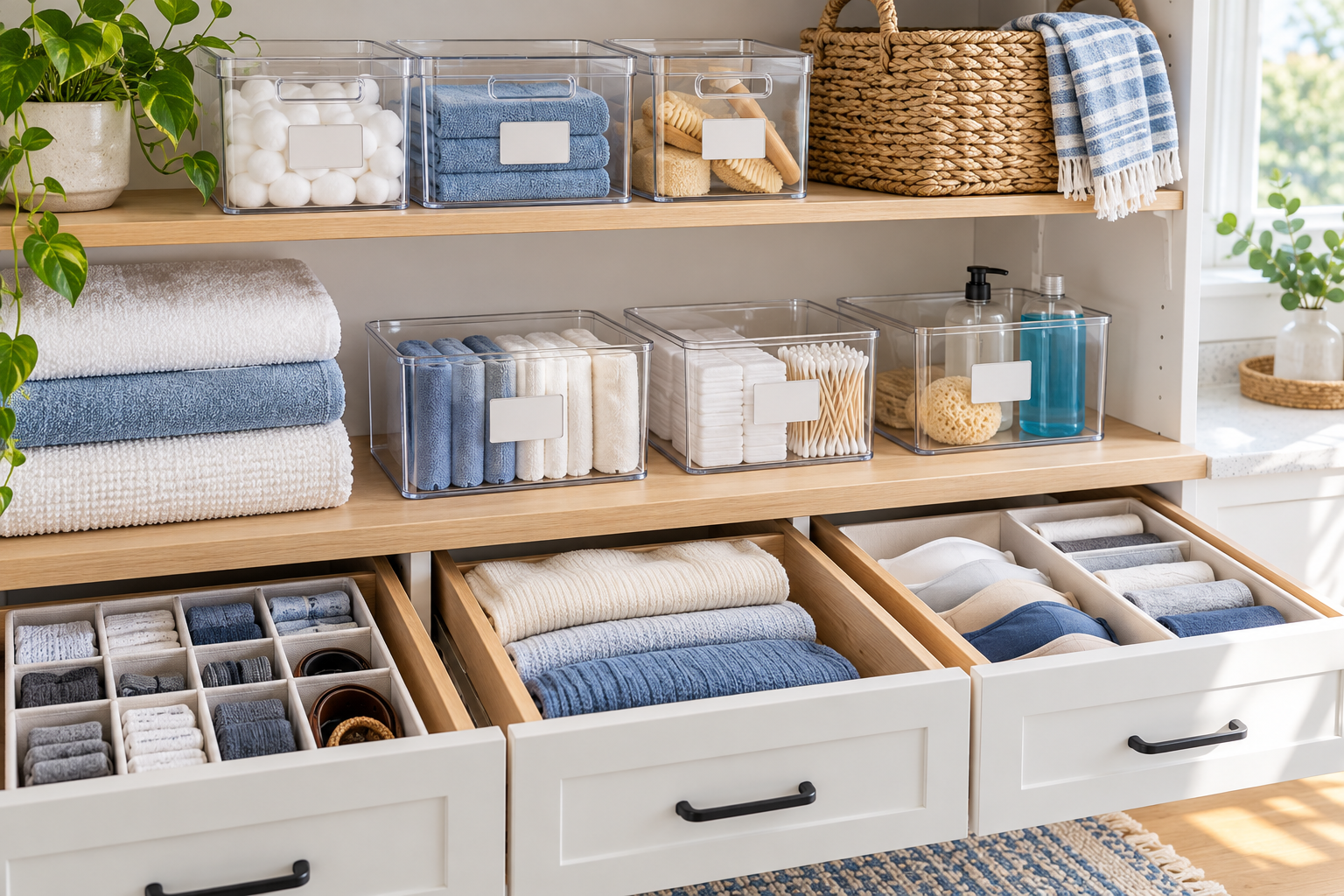
You can use an existing basket, reusable bag, or shelf to contain the remaining items. Sort first, then consider whether any storage supply would solve an actual problem. The relevant CHC favorites are below if you need them; buying a larger container is not the step that closes the sale.
Finish the Handoff Without Creating Another Pile

The item leaving your home is the finish line. Once you choose the next action, put the handoff on your calendar and update the online record. Otherwise the “selling” pile can quietly become a “donation” pile in exactly the same spot.
Close the listing correctly
Look at the platform’s current instructions before ending or changing an advert. For example, eBay explains that fixed-price listings and auctions have different ending rules. Active bids, timing, and existing sales can change what you are allowed to do. A household decluttering deadline does not cancel those requirements.
For an ordinary completed local sale, update every place you listed the item using the appropriate sold or closed status. If you withdraw it, use the platform’s suitable unavailable or ending option rather than leaving buyers messaging about something you no longer have. Keep any transaction records you need; closing an advert is different from deleting useful records.
Give collections a clear next step
Agree on a collection arrangement that suits your household and the platform’s safety guidance. Avoid open-ended holds when you have not agreed to them. A simple message might be: “Please confirm by tomorrow evening whether this collection time works. If we have not made an arrangement, I will keep the listing available.” Only use that wording where it matches the actual situation and does not contradict an existing commitment.
If someone misses a collection, check the conversation and the platform’s rules before deciding what to do next. You can set a reasonable follow-up boundary without keeping the item indefinitely. Handle cancellations and refunds through the required process when payment or a purchase is involved.
Stay alert to payment and verification scams. The FTC describes fake payment notices, overpayment requests, and requests for verification codes. Never share a verification code with a buyer or refund an alleged overpayment just because a message says money arrived. Use the marketplace’s guidance and verify transactions through the genuine service directly.
Put donations on a real route
Choose the next suitable trip or book an accepted collection. Label a manageable bag with its destination and date. Keep it out of access routes and store it safely until the handoff; avoid leaving heavy or heat-sensitive loads in a vehicle. Do not leave donations outside a closed center unless the organization specifically permits that method.
If the planned destination declines an item, choose the next appropriate route once. Set a date for it so the rejected donation does not become a permanent passenger in the trunk. Check local collection rules for bulky goods or recycling instead of assuming ordinary trash is suitable.
After the handoff, tick the item off your sheet, reconcile any remaining listings, and return your selling container to its normal spot. Wipe or vacuum the space using a suitable routine method. This small reset helps the cleared area become useful again.
Keep Future Selling Within One Small Space

Choose a physical limit you can comfortably maintain: one existing bin, one shelf, or another defined spot that does not block everyday life. Large items need a separate realistic plan; do not balance them unsafely or crowd exits to make them fit the rule.
When the space is full, review what is already there before adding more listings. You might decide to take fewer individual sales, make a suitable bundle, or donate an ordinary low-value item from the beginning. The limit is a household tool you can adjust deliberately, rather than a test you have failed if something unexpected happens.
Review briefly instead of checking constantly
Put a short selling review into an existing routine, such as a weekly planning session or the day before a donation trip. Check upcoming collection commitments, review dates, and completed handoffs. Avoid reopening every decision whenever someone views a listing.
Give each new listing its review date and fallback at the start. Keep its accessories together and use a short item identifier on the container or sheet. You should be able to find it without unpacking the whole cupboard or moving laundry off the dining table.
Use the five-minute version on a busy day
Pick one already-listed item. Confirm it has no unresolved sale or buyer commitment. Choose its next action, write its review or exit date, and put the reminder where you will actually see it. If you can finish the permitted listing update and handoff now, do that; otherwise leave a specific next step.
You can build from that one decision. A smaller resale backlog means fewer objects to move when you clean, fewer messages to track, and more room for the things your family uses. Whether the item sells or goes to a suitable new home, the useful outcome is closing the loop.
If a little structure would help with the next corner of your home, explore the Cleaners Clubhouse for its existing decluttering challenge and printable support. You can use the free review sheet from this article on its own, too.

CLEANERS CLUBHOUSE
Ready to Clear the Clutter One Step at a Time?
Join the 30-Day Declutter Challenge and work through your home in small, achievable steps. The Cleaners Clubhouse includes the plan, printable support and encouragement to help you keep going.
Care and platform guidance checked October 27, 2026. Household time windows are practical suggestions, not platform rules or resale guarantees. Also consulted: Goodwill’s donation guidance and the CPSC’s resale safety notice. Check your actual recipient, platform, and local authority for item-specific instructions.