

THIS POST MAY CONTAIN AFFILIATE LINKS. PLEASE READ MY DISCLOSURE FOR MORE INFO.
Black shoe marks have a talent for appearing in the busiest parts of a home: beside the front door, under dining chairs, along a hallway and across freshly painted skirting boards. The good news is that many of these marks are transfers sitting on the surface rather than scratches cut into it. That means a calm, gentle clean often works better than aggressive scrubbing.
The important part is matching the method to the finish. Vinyl, laminate, sealed wood, tile and painted trim all have different tolerances for water, friction and cleaning products. Start with the least aggressive option, check the manufacturer’s care instructions, and stop if the surface changes color, sheen or texture.
This guide shows you how to remove scuff marks from floors and skirting boards without turning a small cosmetic mark into permanent finish damage.
Disclosure: This post may contain affiliate links. As an Amazon Associate, Clean Home Challenge earns from qualifying purchases. If you make a purchase through these links, we may earn a small commission at no extra cost to you. This helps us keep creating practical cleaning tips, routines and resources for busy families! 🧽
What a Scuff Mark Is (and When It Is a Scratch)
A scuff is usually material transferred from one surface to another. Rubber shoe soles, chair feet, luggage wheels and toys can leave dark streaks without cutting through the floor finish. A scratch is different: it is a groove, line or worn patch in the coating or material itself.
Use this quick check before cleaning:
- Run a clean fingertip lightly across the mark. A raised or slightly rubbery deposit is more likely to be a transfer.
- Look from the side in good light. A scratch often interrupts the sheen or catches the light as a fine groove.
- Wipe once with a dry microfiber cloth. If the mark smears, lightens or transfers to the cloth, it is probably surface residue.
- If the mark stays unchanged and you can feel an indentation, treat it as finish damage rather than dirt.
Cleaning can remove transferred material, but it cannot rebuild a scratched wear layer or chipped paint. Repeated hard rubbing on a true scratch may widen the dull patch around it. When in doubt, take a photo, note the floor or paint product, and check the manufacturer’s repair guidance.

Check the Floor and Paint Finish First
Before reaching for a cleaner, identify the surface. A wood-look pattern does not tell you whether you have vinyl plank, laminate or sealed hardwood, and those materials do not share identical care instructions.
Look for the product name on spare planks, renovation paperwork or the manufacturer’s website. For skirting boards, note whether the paint is flat, matte, eggshell, satin or semi-gloss. Lower-sheen paint can mark and burnish more easily, while older or poorly bonded paint may come away on a damp cloth.
Then inspect the area around the scuff. Is the floor swollen at a seam? Is the wood finish worn through? Is the tile natural stone rather than glazed ceramic or porcelain? Is the painted trim chalking, flaking or freshly painted? Those conditions call for repair advice, not stronger cleaning.
Always test your chosen method in a hidden spot. Use the same cloth, cleaner concentration, pressure and contact time you plan to use on the visible mark. Let the test area dry completely before deciding it is safe. A finish can look unchanged while wet and appear dull only after drying.

Gather a Gentle Scuff-Removal Kit
You rarely need a cupboard full of products. A controlled kit keeps you from improvising with an abrasive tool halfway through the job.
Gather:
- Two or three clean, colorfast microfiber cloths
- A soft broom or vacuum with the correct hard-floor setting
- Warm water in a small bowl or bucket
- A mild, pH-neutral cleaner approved for the specific floor or paint finish
- A soft, non-scratch pad only if the manufacturer permits it
- Gloves and a dry towel
- The product care instructions, if available
Use a white or pale cloth when testing painted trim so you can see whether pigment is transferring. Keep the cloth only barely damp for moisture-sensitive floors. “Damp” should mean well wrung out, with no drips and no puddle left behind.
Melamine foam is often recommended for black marks, but it works by micro-abrasion. It can change the sheen of paint and some flooring finishes. Treat it as an optional last step only when the manufacturer explicitly allows it: spot-test, use very light pressure, and stop immediately if the area looks flatter or lighter.

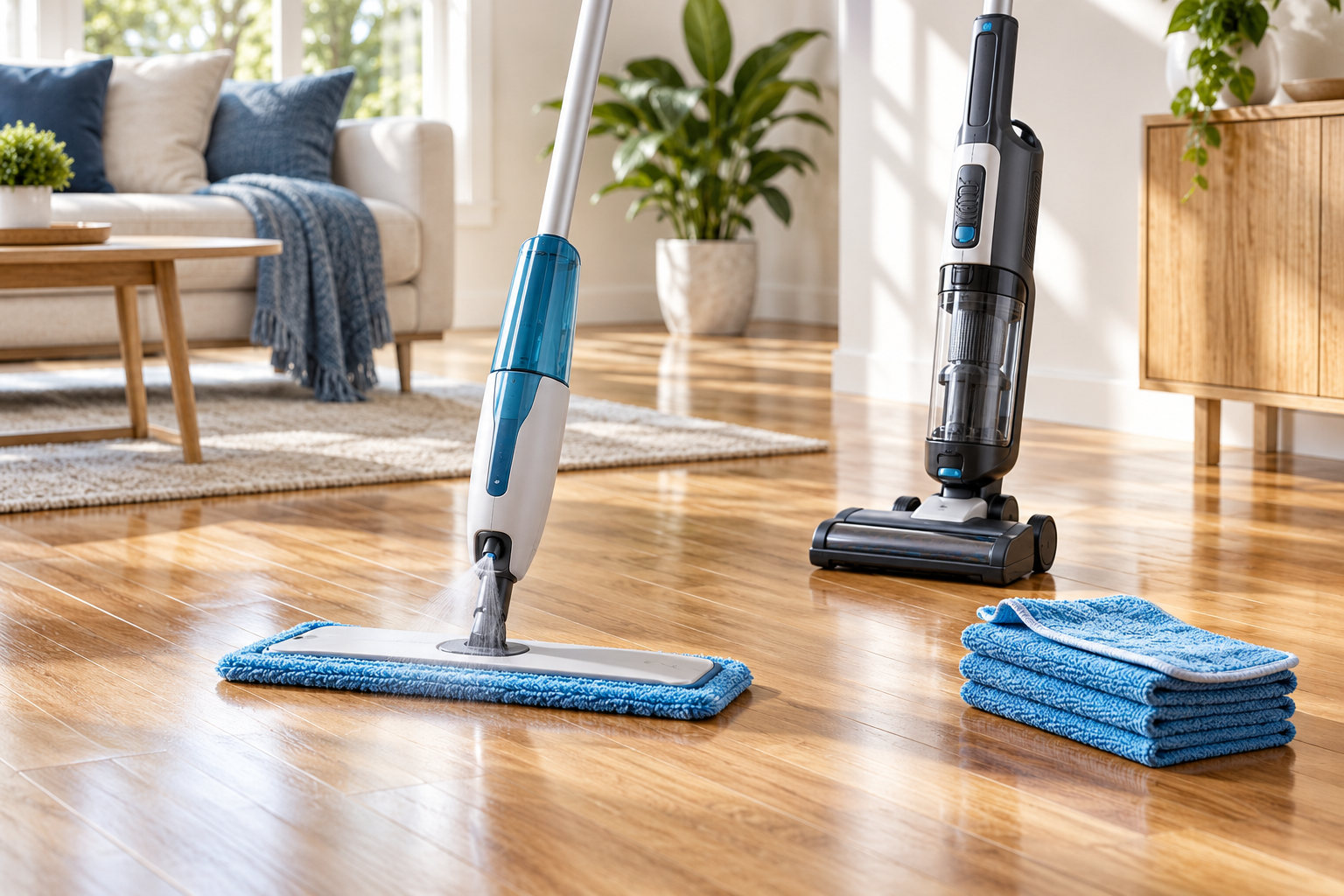
How to Remove Scuff Marks From Vinyl and Laminate Floors
Start by removing grit around the mark. Sand and small debris can scratch when trapped under a cloth, so sweep or vacuum first.
For vinyl:
- Rub the mark gently with a dry microfiber cloth. Short strokes often lift fresh rubber transfer.
- If it remains, dampen a clean cloth with water or a manufacturer-approved neutral cleaner. Wring it thoroughly.
- Wipe a small area with light pressure. Do not grind the mark in circles for minutes at a time.
- Wipe again with a separate cloth dampened with clean water if the cleaner instructions call for rinsing.
- Dry the area promptly and inspect it from an angle.
For laminate, use the same low-moisture sequence but pay extra attention to seams and edges. Laminate cores can be vulnerable to water intrusion, so spray cleaner onto the cloth rather than directly onto the floor unless the care guide says otherwise. Never leave a wet cloth sitting over a stubborn mark.
If a black line remains after two gentle passes, stop and reassess. It may be embedded in a textured surface, or the wear layer may be damaged. Escalating to solvent, abrasive powder or heavy scrubbing is more likely to create a pale patch than a perfect result.

How to Remove Scuffs From Sealed Wood and Tile
Sealed wood needs minimal moisture and a cleaner approved for its finish. Vacuum or dust first, then try a dry microfiber cloth. If that is not enough, apply a small amount of the floor manufacturer’s cleaner to the cloth and wipe with the grain. Buff dry with a second cloth.
Do not assume household oils, waxes or vinegar are appropriate. Oil can leave a slippery residue or complicate future recoating, while acidic or alkaline mixtures may dull some finishes. Steam is also unsuitable unless the floor manufacturer specifically approves it.
Glazed ceramic and porcelain tile are generally more moisture-tolerant, but the grout and surrounding materials still matter. Begin with a damp microfiber cloth and a neutral cleaner. Wipe the scuff, rinse away residue, and dry so you can judge the result without streaks.
Natural stone is a separate category. Marble, limestone, travertine and some other stones can be etched by acidic cleaners. Use only a stone-safe product and avoid home-made acid treatments. If you are not certain whether the tile is stone or glazed ceramic, pause and identify it before cleaning.
On any hard surface, a mark that follows a deep line, exposes a different color or stays visible after residue is removed may be a scratch. Document it and consult the flooring maker or a repair professional instead of rubbing harder.

How to Clean Scuff Marks From Painted Skirting Boards
Dust the skirting board and the wall-floor junction first. Dry soil can turn into gray paste when water is added.
Mix a small amount of mild dish liquid into warm water only if the paint manufacturer permits it. Dip a soft cloth, wring it very well, and test behind furniture or near an inconspicuous corner. When the test has dried without a shiny patch, color transfer or softening, clean the visible mark.
Work in a small section. Support the cloth with your fingertips and use light strokes rather than scrubbing with your knuckles. Wipe away cleaning residue with a second barely damp cloth, then dry the trim. Catch any drips before they reach wood or laminate flooring.
Stop if the cloth picks up paint color, the finish becomes tacky, or the sheen changes. Flat and matte coatings can burnish when rubbed, and aged paint may be less washable than a modern trim enamel. A permanent gray shadow may need a small paint touch-up after the surface is clean and dry.
If the paint may predate local lead-safety rules, is flaking, or creates dust when disturbed, do not sand or aggressively scrub it. Follow applicable lead-safe guidance or call a qualified professional.

What Not to Use on Floors or Painted Trim
Stronger is not automatically better. Avoid these common shortcuts unless the surface manufacturer specifically instructs you to use them:
- Steel wool, scouring powder or rough green pads, which can scratch or permanently dull a finish
- Acetone, paint thinner and strong solvents, which can soften coatings or remove color
- Baking soda paste and other gritty mixtures, which act as abrasives
- Undiluted acidic cleaners on stone, grout, wood finishes or metal transition strips
- Saturated mops, puddles or long wet contact on laminate and wood
- Steam on finishes that are not explicitly rated for it
- Heavy use of melamine foam on paint or glossy flooring
- Mixing cleaning products, especially products containing bleach, ammonia or acids
Also avoid repeatedly cleaning a damaged area just because a dark line remains. Once transferred rubber is gone, the remaining contrast may be a scratch, worn coating or trapped discoloration. The safest next step is repair guidance, not more friction.

CLEANERS CLUBHOUSE
Stay on Top of Floors Without Cleaning All Day
Give your floors a focused Friday reset instead of chasing every mark all week. The Cleaners Clubhouse helps you build a realistic routine with practical guidance, printables and monthly challenges.
Prevent Scuff Marks With a Five-Minute Reset
Prevention is mostly about catching grit and friction before they reach the finish. Place a washable mat inside busy entrances and shake or vacuum it regularly. Keep shoe soles reasonably clean, especially after walking through parking lots or playgrounds.
Add felt pads to chair and table legs, and replace them when they collect grit or flatten. Lift furniture instead of dragging it. Check luggage wheels, toy wheels and pet-gate feet for embedded debris. In narrow halls, a small bumper or furniture repositioning can stop the same corner from striking the skirting board every day.
Once a week, do a five-minute scuff reset:
- Walk the entry, kitchen and hallway with a dry microfiber cloth.
- Lift fresh transfers before they harden or collect more soil.
- Wipe one or two marks with the approved damp method.
- Dry the area and check it in angled light.
- Note any true scratches that need a repair product or touch-up paint.
The safest way to remove scuff marks from floors is also the simplest: identify the finish, begin dry, use minimal moisture, apply light pressure, rinse when required and dry promptly. That sequence protects the surrounding surface while giving ordinary shoe and furniture transfers the best chance of lifting cleanly.
Trusted Sources
- Bona: How to Clean Hardwood Floors
- Benjamin Moore: How to Clean Freshly Painted Walls and Cabinets
- Benjamin Moore Scuff-X Interior Paint
- Tarkett Home